Reading time: 3 minutes
Key facts
- Use of residual materials from the agricultural and food industries, as well as biomass plants
- Development of printing pastes based on the biopolymers chitosan and collagen
- Successful application using conventional rotary screen printing
- Compliance with Oeko-Tex® Standard 100 verified
- Industrial-scale trials successfully completed
- European Patent Pending (application number P2024.8 EP)
Industrial waste as a resource for textile printing
The textile industry is actively seeking alternatives to fossil-based raw materials. The “be@t” research project, led by CITEVE (the Portuguese Technology Centre for Textile and Clothing Industry), Lameirinho, and CeNTI has now demonstrated the potential of underutilised waste streams: residual materials from agriculture and biomass plants have been successfully used as colour-giving components in textile printing.
Augusta Silva, Textile Engineer and Innovation Manager for Printing and Coating at CITEVE, presents the project findings. At its core is an approach that addresses several challenges simultaneously: valorising industrial waste, reducing the use of fossil-based materials in textile printing, and lowering the environmental impact of textile finishing processes.
An award-winning idea
This development was recognized with the Techtextil Innovation Award 2026. The award was presented at Techtextil, the leading international trade fair for technical textiles and nonwovens.

From waste material to printing colour
One of the key challenges was making the selected waste materials suitable for industrial textile printing. As the process was intended for rotary screen printing, one of the most widely used textile printing technologies worldwide, particle sizes had to be precisely adjusted to meet the technology’s requirements.
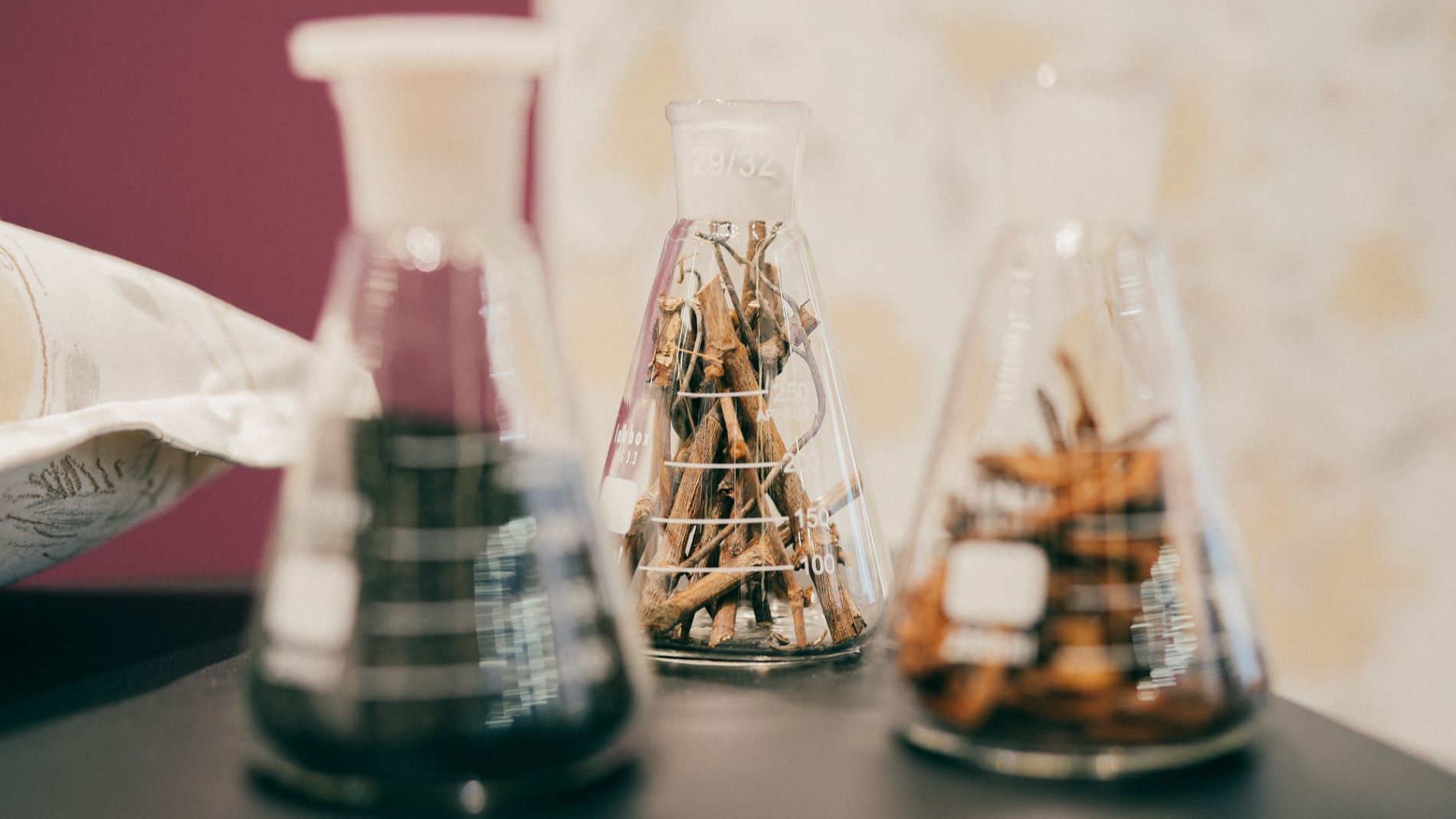
The starting materials included vineyard prunings, pine bark and ash from biomass boilers. These materials were mechanically micronised using ball mills and knife mills and processed into fine particles without the addition of water. The resulting particles could then be incorporated into printing pastes.
“We were able to reduce the particle size of the waste materials to a level that made them compatible with rotary screen printing technology.”
Biopolymers replace conventional binders
A particularly innovative aspect of the project is the formulation of the printing pastes. Instead of fossil-based ingredients, the researchers used the biopolymers chitosan and collagen, both of which are by-products of the food industry.
The researchers found that both materials can function simultaneously as thickeners and binders. As a result, a single bio-based raw material can perform two roles that are typically fulfilled by several different products in conventional printing pastes.
This approach helps replace fossil-based inputs while maintaining competitive production costs.

Strong performance in laboratory and industrial trials
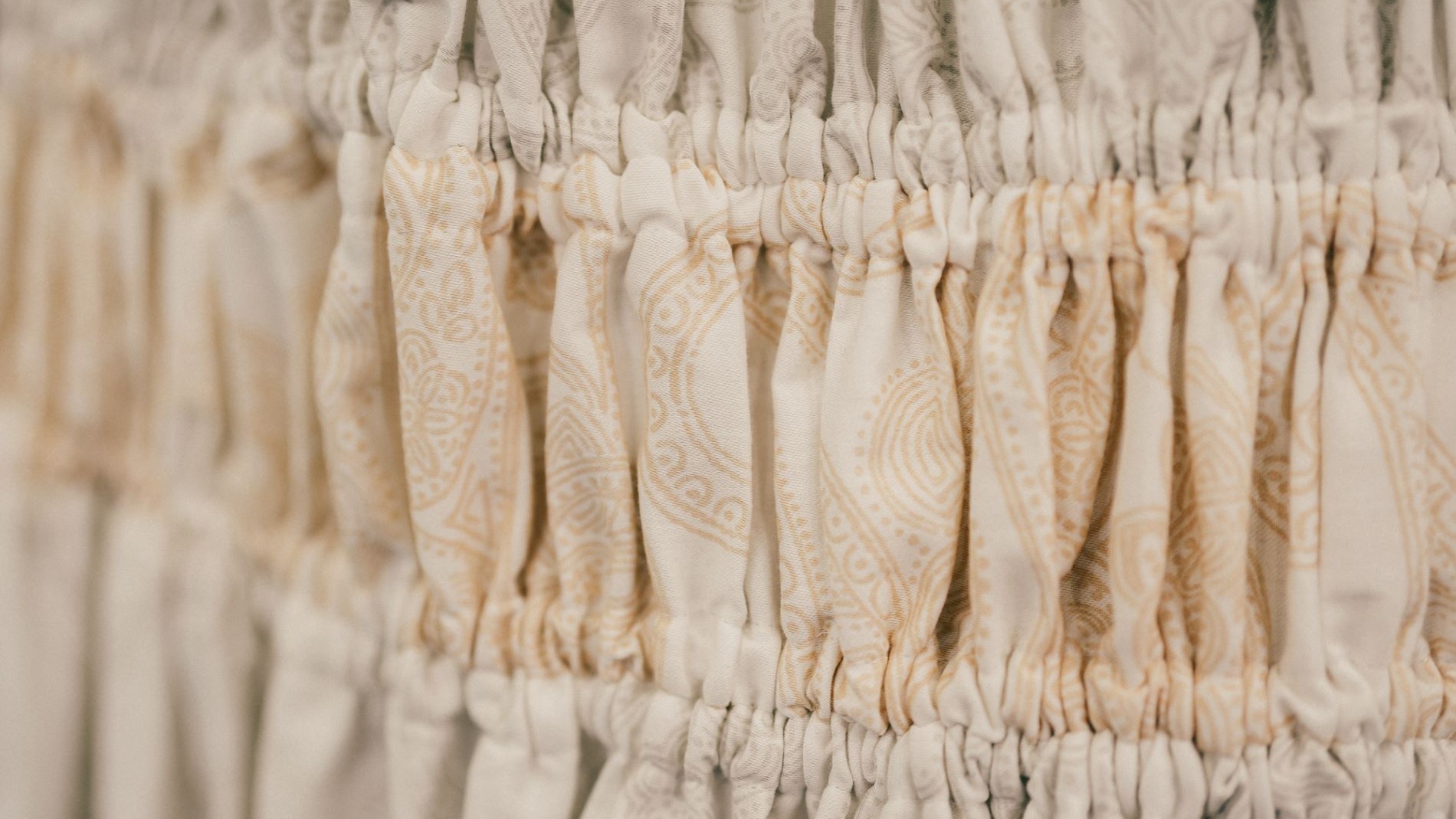
Following successful laboratory testing, the technology was evaluated under industrial production conditions. Assessments included wash fastness, rub fastness and light fastness.
Augusta Silva particularly highlights the performance of the biomass ash used:
“The light fastness of the ash exceeds grade five, which is an excellent result for a mineral-based product.”
According to Silva, achieving high light fastness is often one of the main challenges when working with natural colour sources. In several tests, the results even exceeded the requirements set by the industrial partner.
Testing also confirmed compliance of the developed textiles with Oeko-Tex® Standard 100.
Pigment printing as a driver of growth
According to Silva, pigment printing already accounts for around 50% of all textile prints produced worldwide, with the share continuing to grow. One of the technology’s key advantages is that it does not require post-print washing processes, resulting in a lower environmental footprint.
The concept presented by CITEVE builds directly on this trend. It combines the benefits of pigment printing with bio-based raw materials and a systematic approach to waste valorisation.
The road to commercialization
The project team is currently working on the final patent application. At the same time, it is investigating the long-term stability of the printing pastes and the storage properties of the materials used. The development is already attracting considerable interest in demanding application areas, including the automotive industry, healthcare, and the clothing and fashion sectors.