
Reading time: 6 minutes
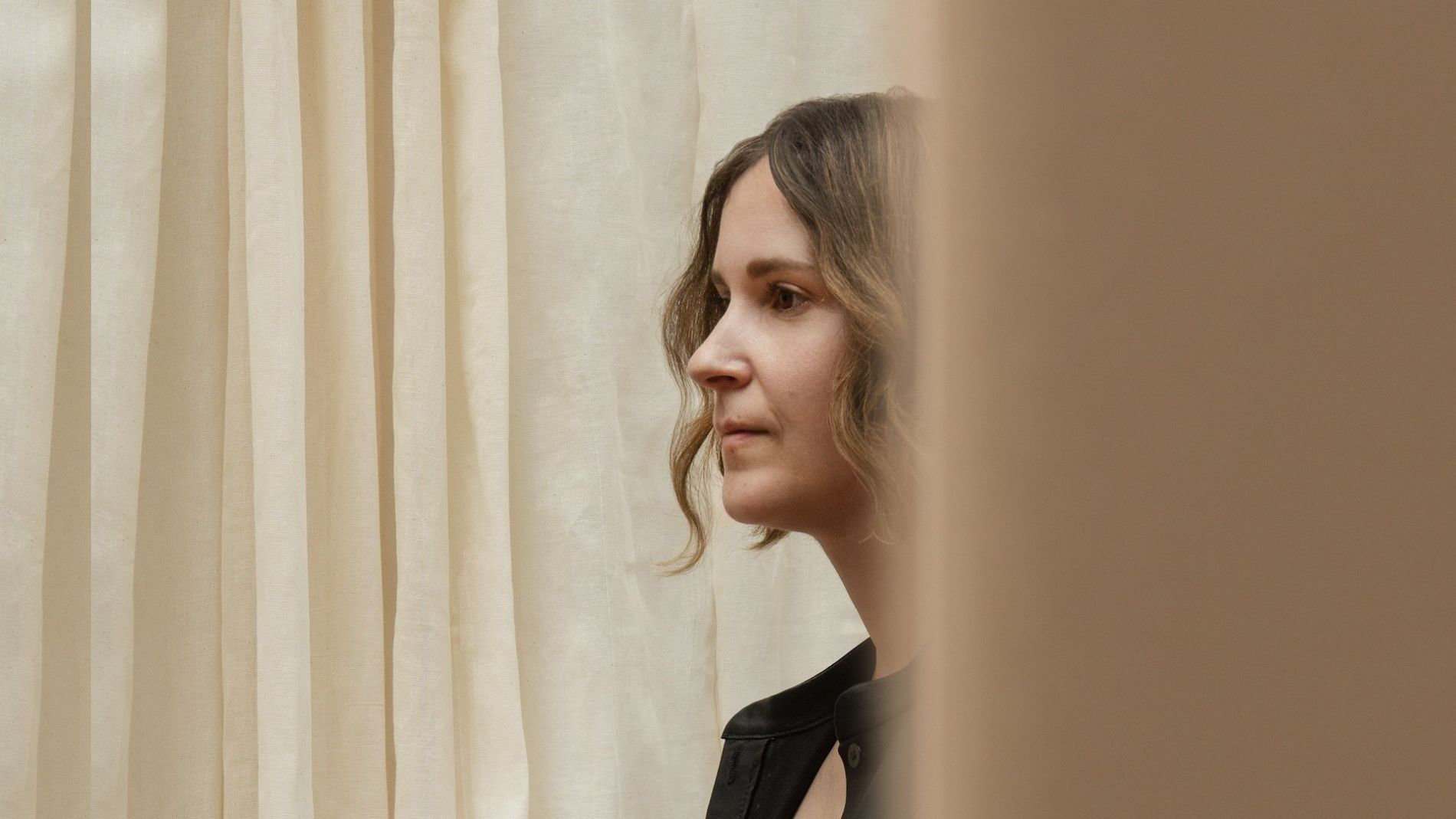
Few people designing interior surfaces need to negotiate with tree fellers. For Sarmīte Poļakova, it's part of the work. While her (un)woven venture turns short, mixed textile fibres into suede-like surfaces, her PineSkins project depends on harvesting bark before felled trunks leave the forest. Her interest lies in the qualities of neglected materials and the systems required to put them to use. In this conversation, Poļakova explores what discarded materials can reveal, how their imperfections shape interiors and what happens to their character when production scales up.
What makes you stop and take a closer look at a material that others might discard?
It usually starts with noticing a detail – an interesting pattern on a tree, or a lost golden thread in felted shoddy. Sometimes it's a mistake. When I accidentally dyed my laundry purple, I wondered whether I could deliberately use the excess dye from one garment to colour another. That eventually led to a whole colour palette made from waste dye.
I dive into the material and everything surrounding it: its production, leftovers and second lives. That's when the story starts to unravel. Application usually comes last. I take fibres apart, glue, soak and blend them to understand what they can offer.
Wanting to know where a material comes from, who has access to it and how one production cycle might feed another, is something I’m always seeking to learn. Our projects are about the system and infrastructure around a material as much as the material itself.
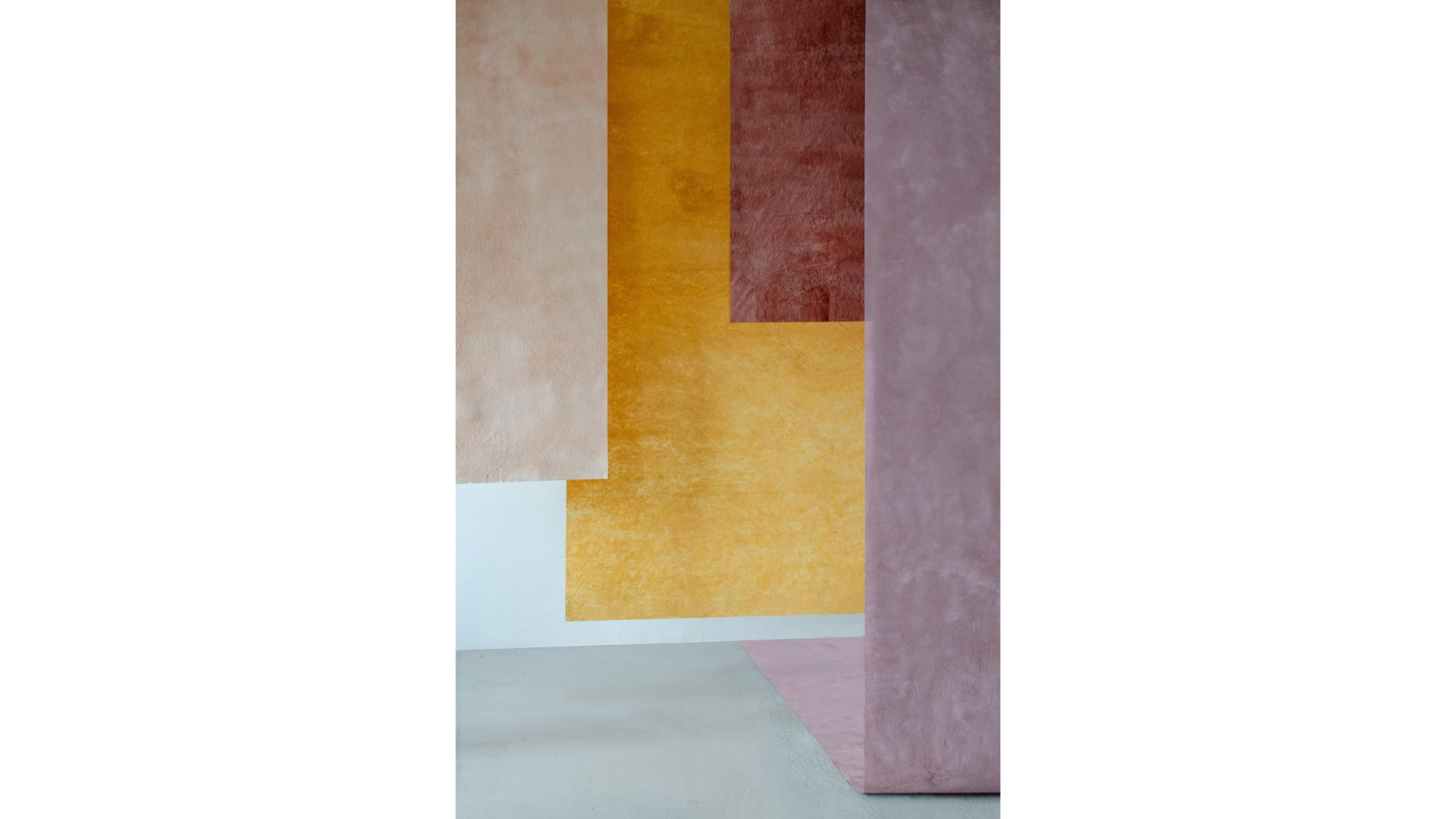
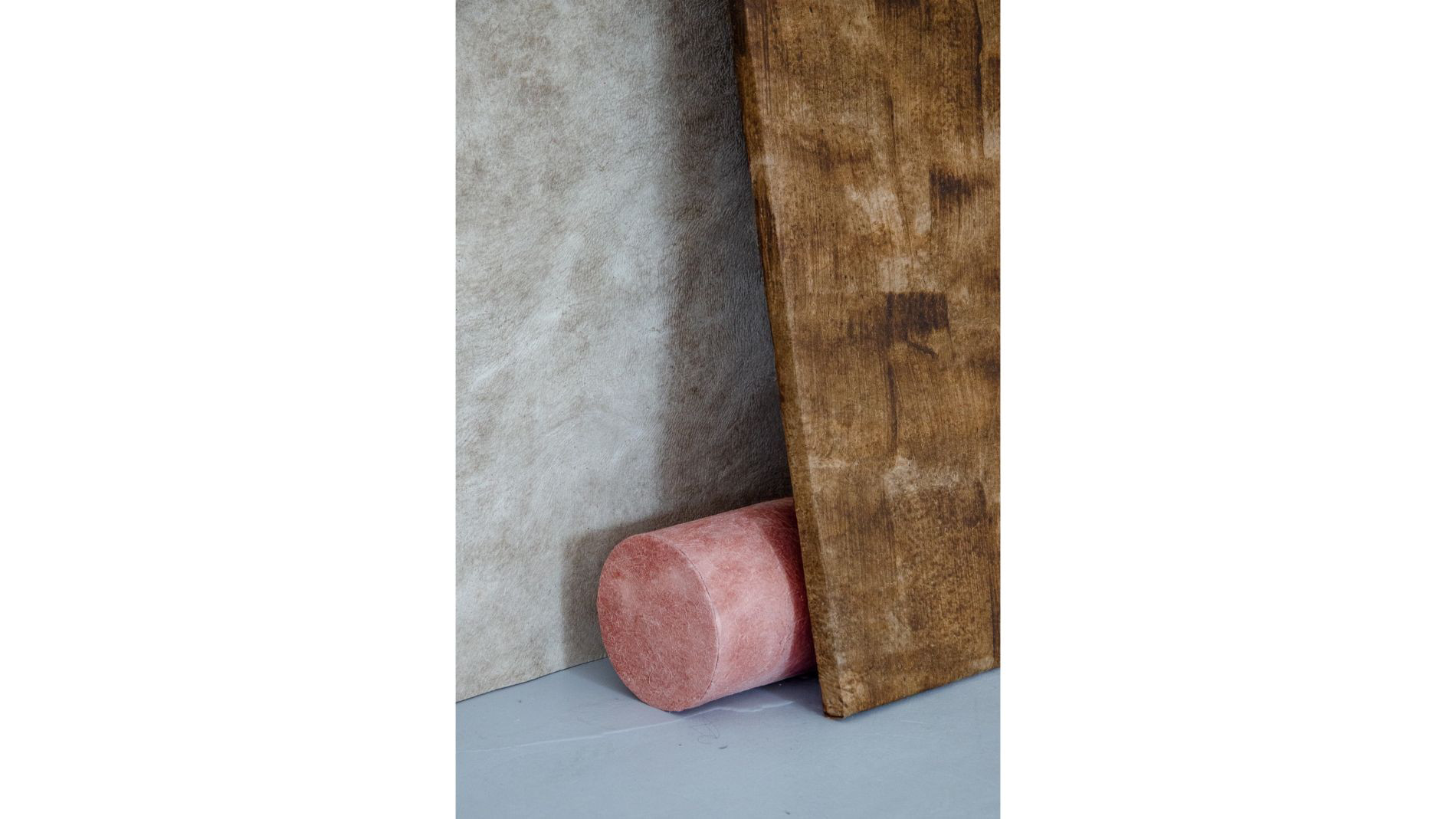
Your (un)woven structures venture began with shredded textiles that could no longer easily become yarn. What did you discover they could become?
At a textile recycling centre, I learned all the reasons post-consumer fibres are considered 'bad'. Shredded fibres are too short to be spun into new yarn on their own. Each recycling cycle lowers their quality and produces more dust. And the mix of natural and synthetic fibres is difficult to separate.
I wanted to flip the question: what are these fibres good at? Insulation, for example. We needed another way of binding them – from within, using our own biodegradable binder and organic pigments.
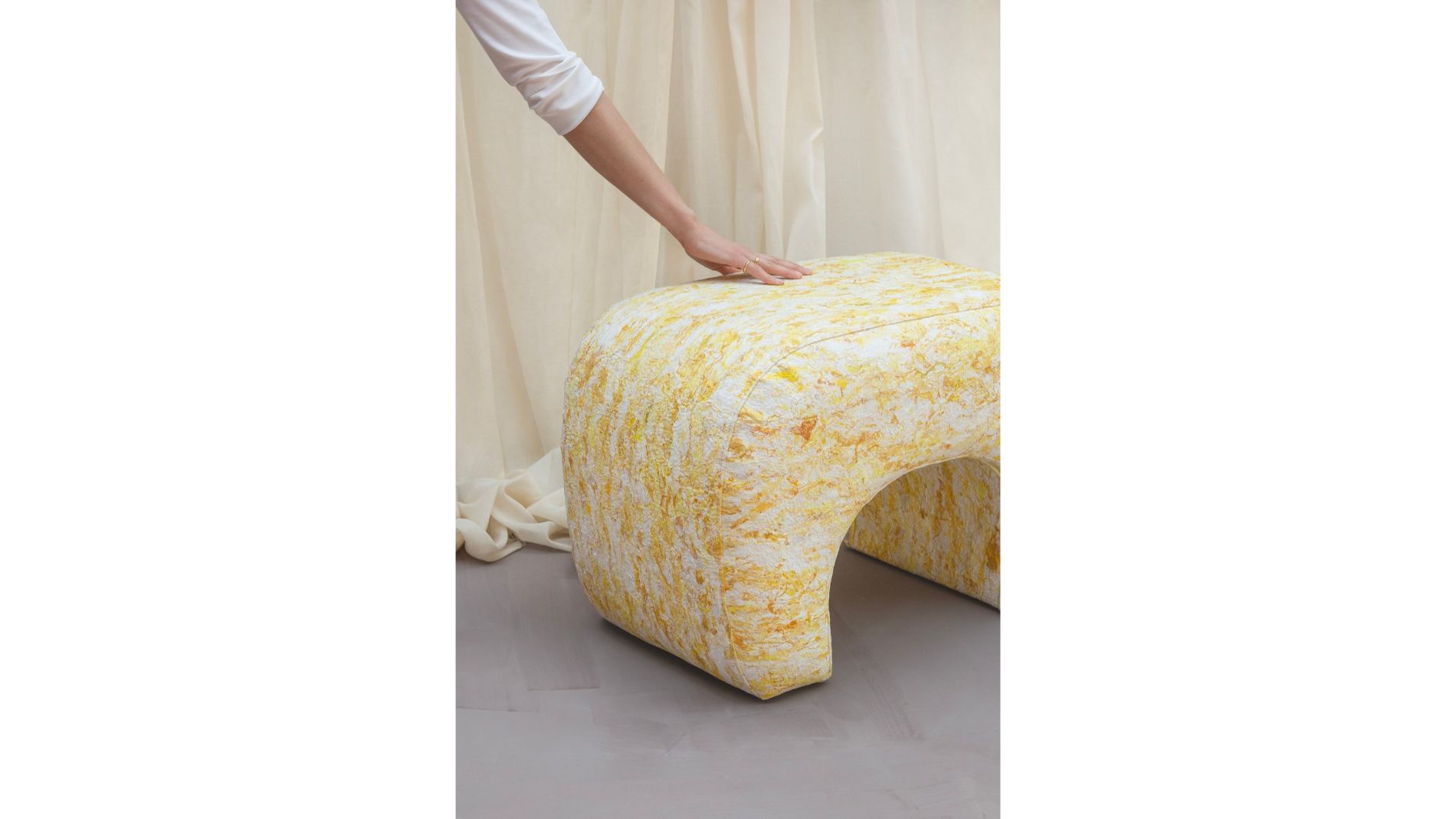
The result is Suvena, a biotextile with the feel of suede and the softness of paper. It holds its shape and resists tearing. We've designed it for walls, interior panelling, acoustic treatments and furniture surfaces.
We also think about what happens after a material's next use. Giving waste one additional life isn't enough. How can the end of one production cycle become the beginning of another?
I keep a few lines of investigation open in every project – making colour from dye waste, for instance, or building a library of softened barks. Scaling up gives an idea a concrete frame. Continuing to research, question and reinvent the material keeps it alive.
And what material is keeping you curious now?
I've recently picked up pine resin again. It has an amber-like presence, full of light and warmth, but it's difficult to work with. It can be brittle and doesn't cope well with heat. Yet it can be remelted and repaired. Perhaps that's exactly what we need in our fast-paced consumption culture.
Years ago, I used traditional pine tar recipes to make a strong biocomposite from resin. It worked, but the process changed its appearance completely.
These days, I'm trying to let the material – and its constraints – take the lead.
WORDS: John Bezold, PHOTOS: Studio Sarmite, Blickfanger, Molberts