
Reading time: 6 minutes
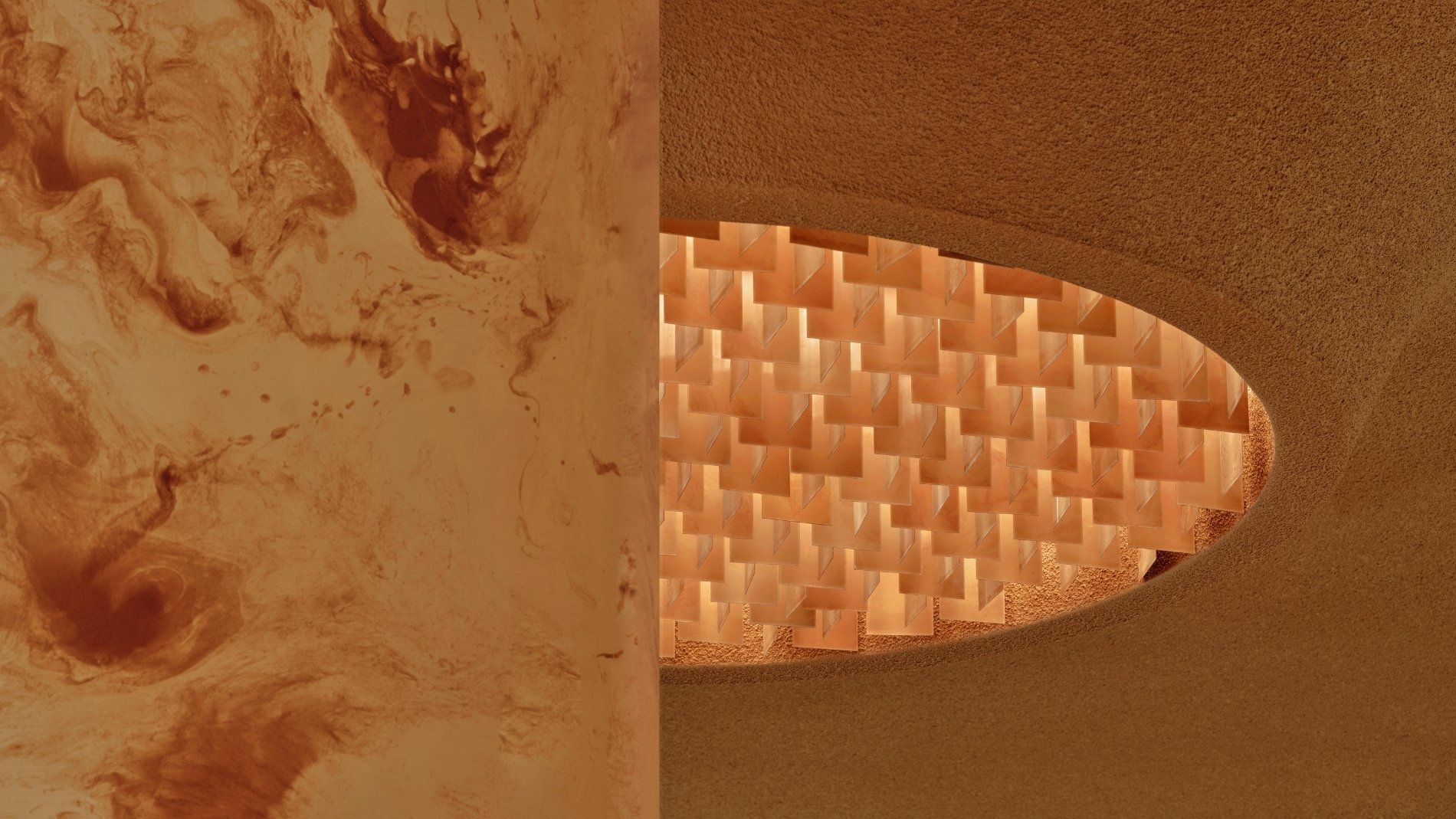
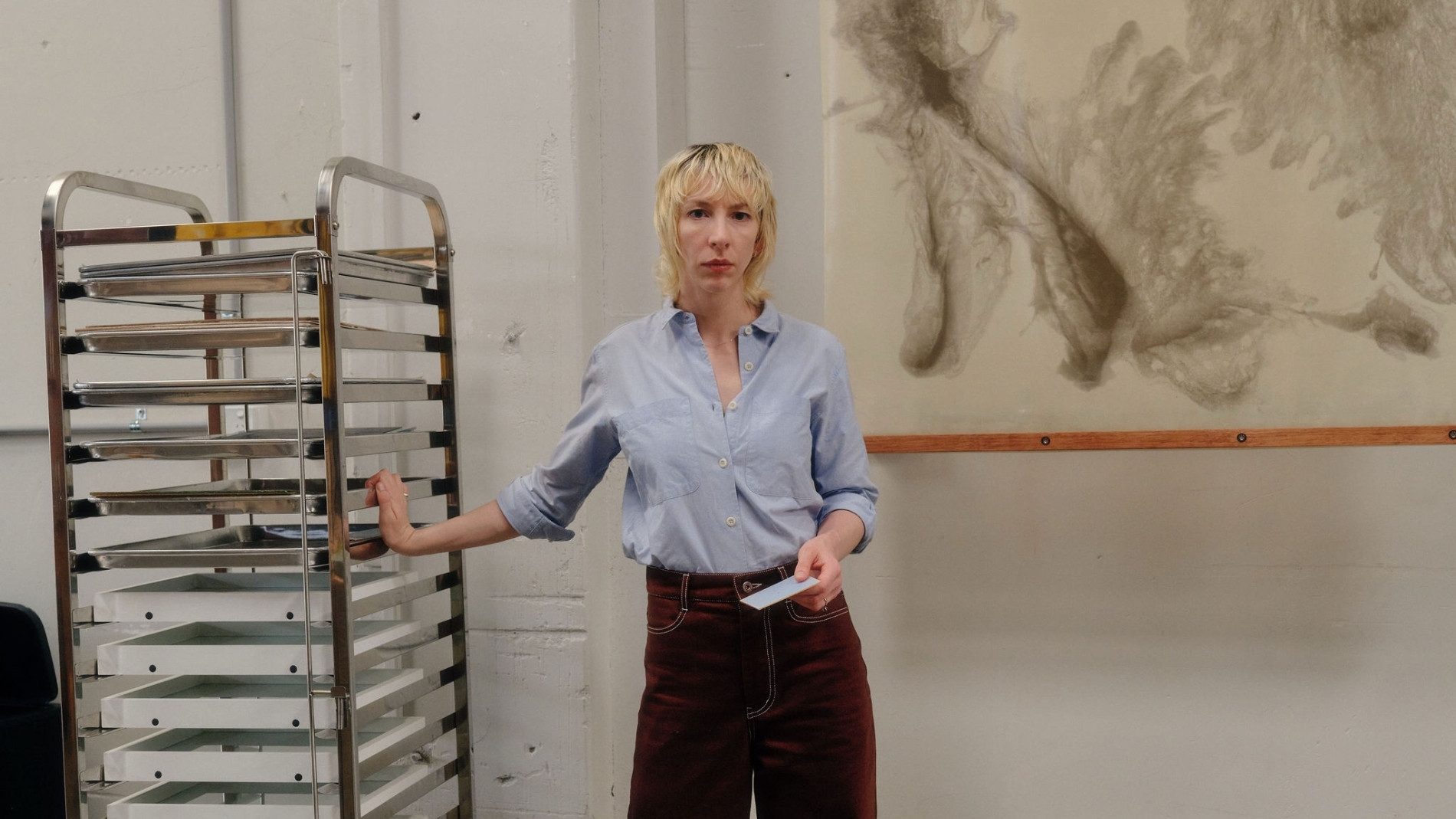
The climate crisis is increasingly affecting all of our lives, driven in large part by petrochemical plastics. Jessie French’s artistic research into algae-based polymers grew out of this sobering reality. As her research deepened, it evolved into the material innovation studio Other Matter. Today, the Melbourne-based studio develops surface materials for interiors, films and leather alternatives, designed according to the principles of the circular economy. In the following interview, French discusses bio-based material solutions, technological progress and the challenges of dealing with waste.
What do you believe is the role of designers in promoting the adoption of biofabricated/biobased material solutions?
Designers use materials in their own ways, sometimes led by a client, sometimes by the constraints of the application, almost always with an aesthetic overlay. Adoption isn’t a designer’s job; performance is.
"A material has to earn its place – aesthetically and technically – on its own terms."
Some choices won’t age well given the wider context we’re in, which is probably why more designers and clients are treating ethics and environmental responsibility as a core performance metric rather than an add-on.
What are the next steps needed to gain a stronger foothold for non-petrochemical plastics in the spatial design and textile industry?
The regulatory environment change, particularly in the EU, will have an incredible impact on shifting behaviour. Measures like the ESPR's ecodesign requirements and the ban on destroying unsold clothing and textiles will force material and end-of-life thinking that most supply chains aren't yet built for. That pressure is exactly what will create a stronger foothold for non-petrochemical alternatives.
It's also worth acknowledging that petrochemical plastics are kept artificially cheap by subsidy, global government support for the plastics industry was estimated at USD $80 billion in 2024 alone.
What are your hopes for the future of spatial design?
I hope that materials like ours will no longer be seen as something new, and that in ten years, asking whether a material is petrochemical in origin will be as commonplace as asking about its tensile strength.