
Reading time: 2 minutes
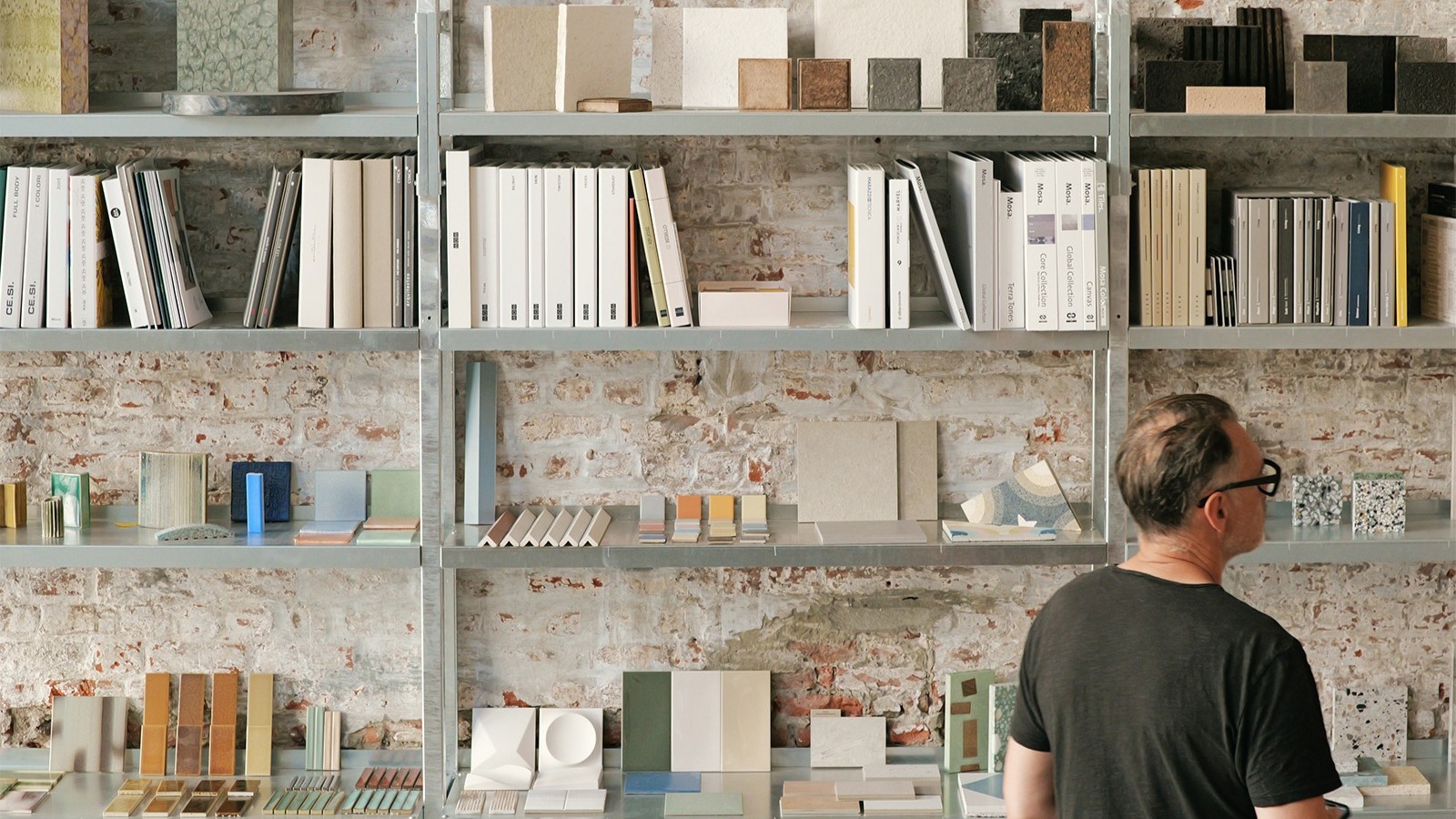
Mauro Brigham, founder of ncbham and Materiatek, is a multidisciplinary designer working at the intersection of architecture, interiors, and material innovation. Shaped by experiences in Portugal and Belgium, he brings a cross-industry perspective that combines creativity and functionality.
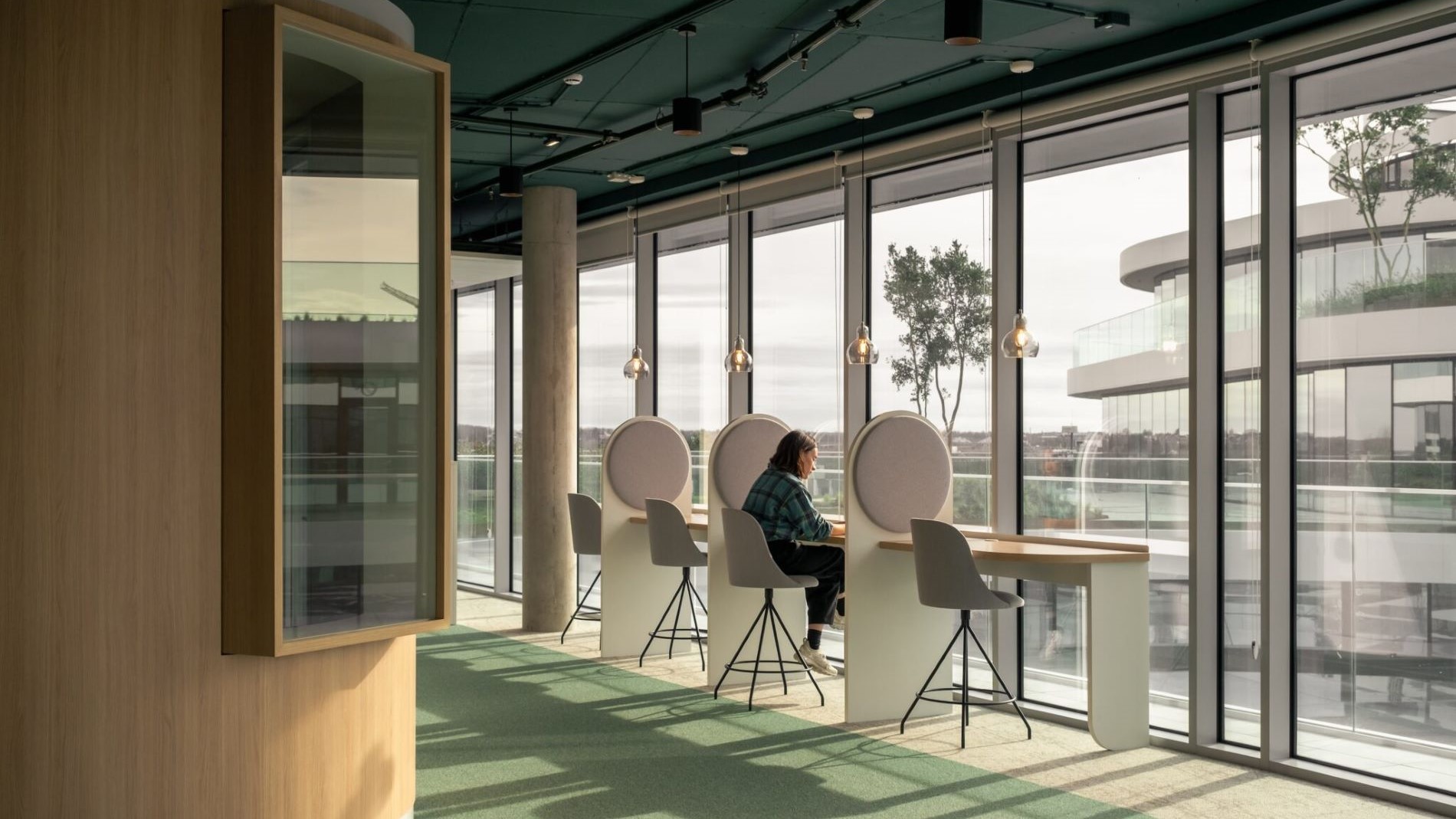
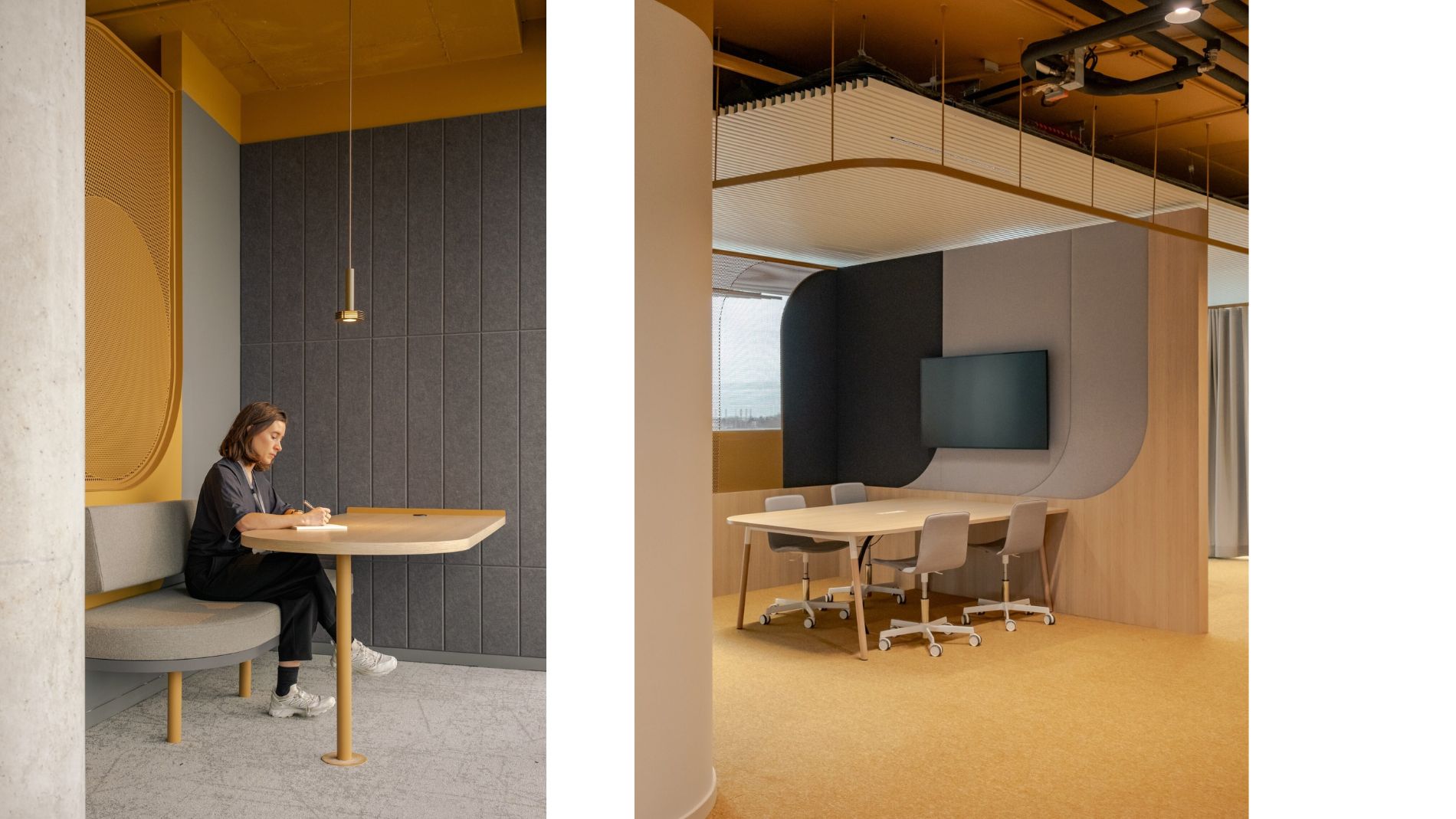
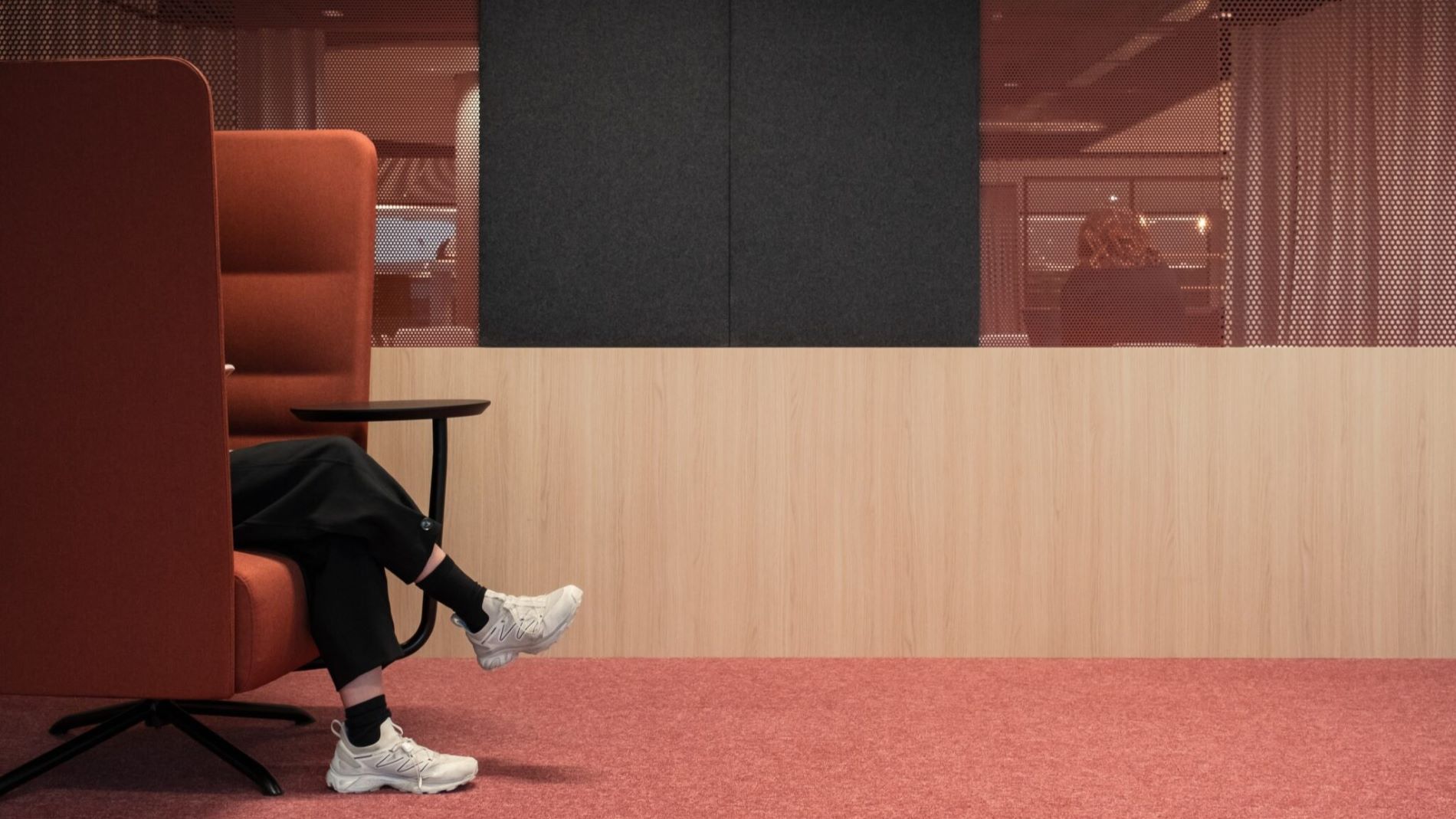
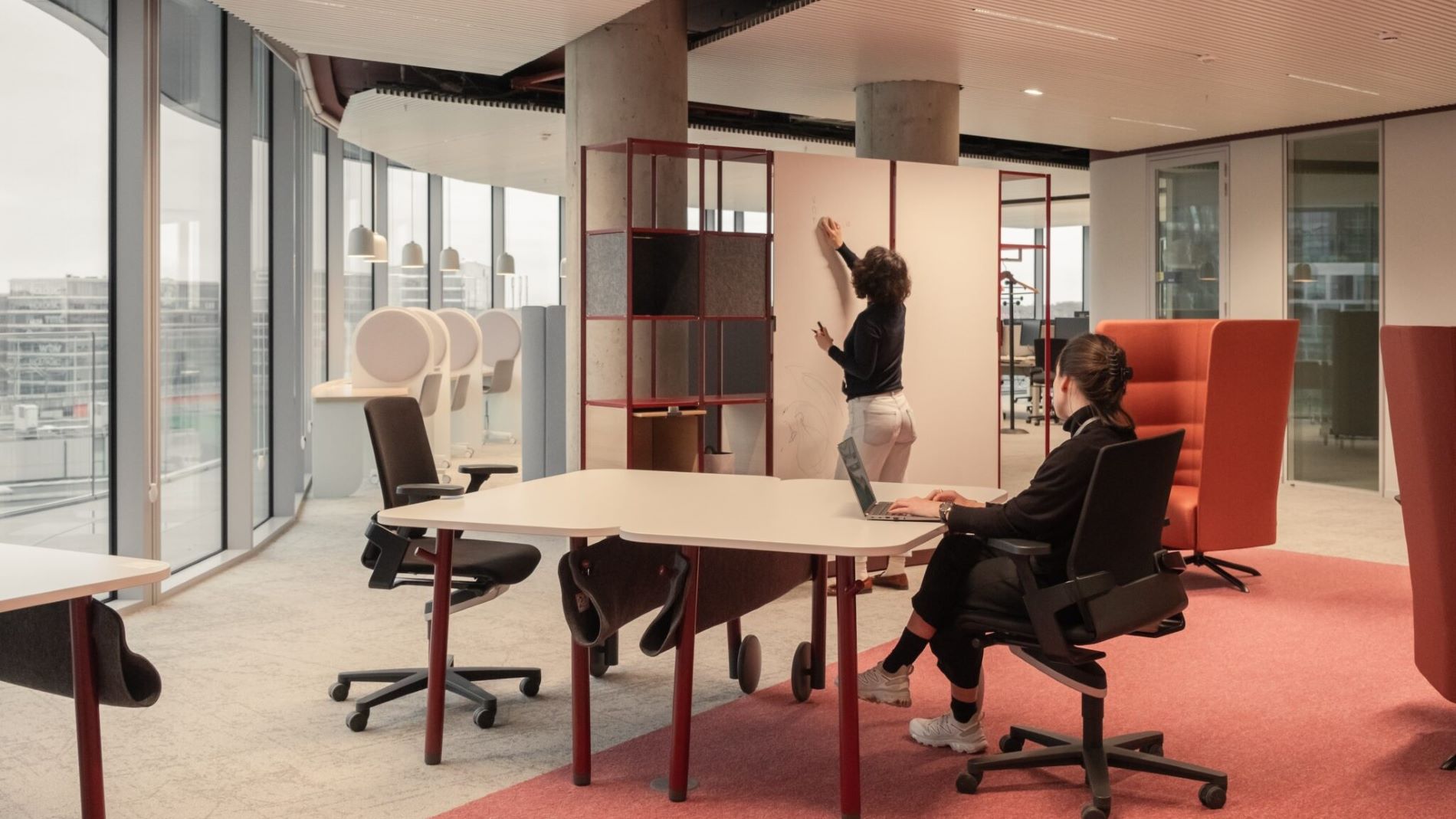
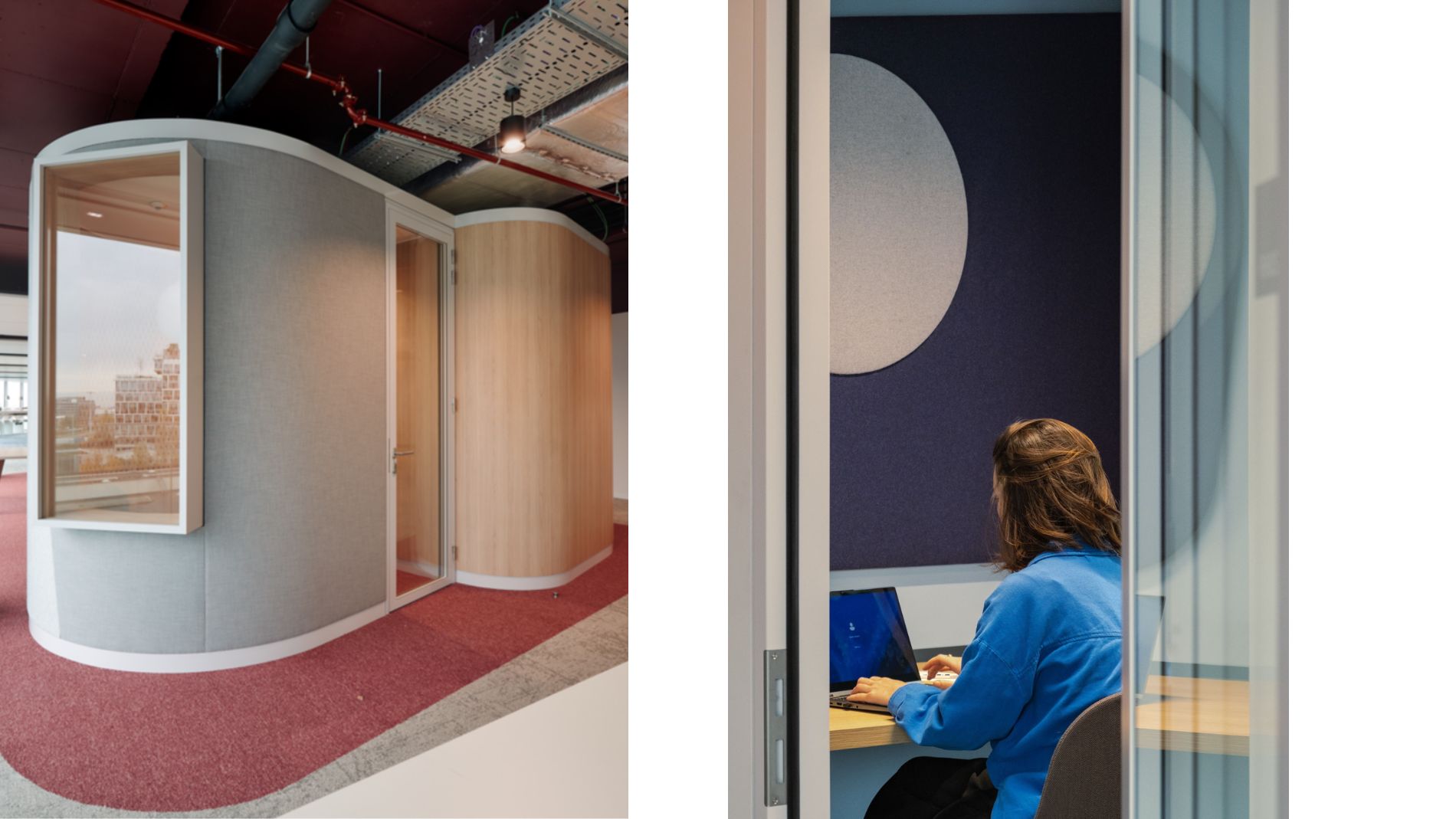
Designing with context, not from scratch
Creation rarely starts from a blank page. More often, it begins with existing structures: a building, a brand’s heritage, technical limitations, or material availability. For Mauro, these conditions are strategic starting points rather than obstacles. He emphasizes understanding context: Architectural frameworks, client histories, production constraints, and material properties.
To create solutions that are both distinctive and feasible – this perspective reflects common challenges in the textile industry, where innovation frequently emerges within defined parameters such as budgets, certifications, or supply-chain constraints.
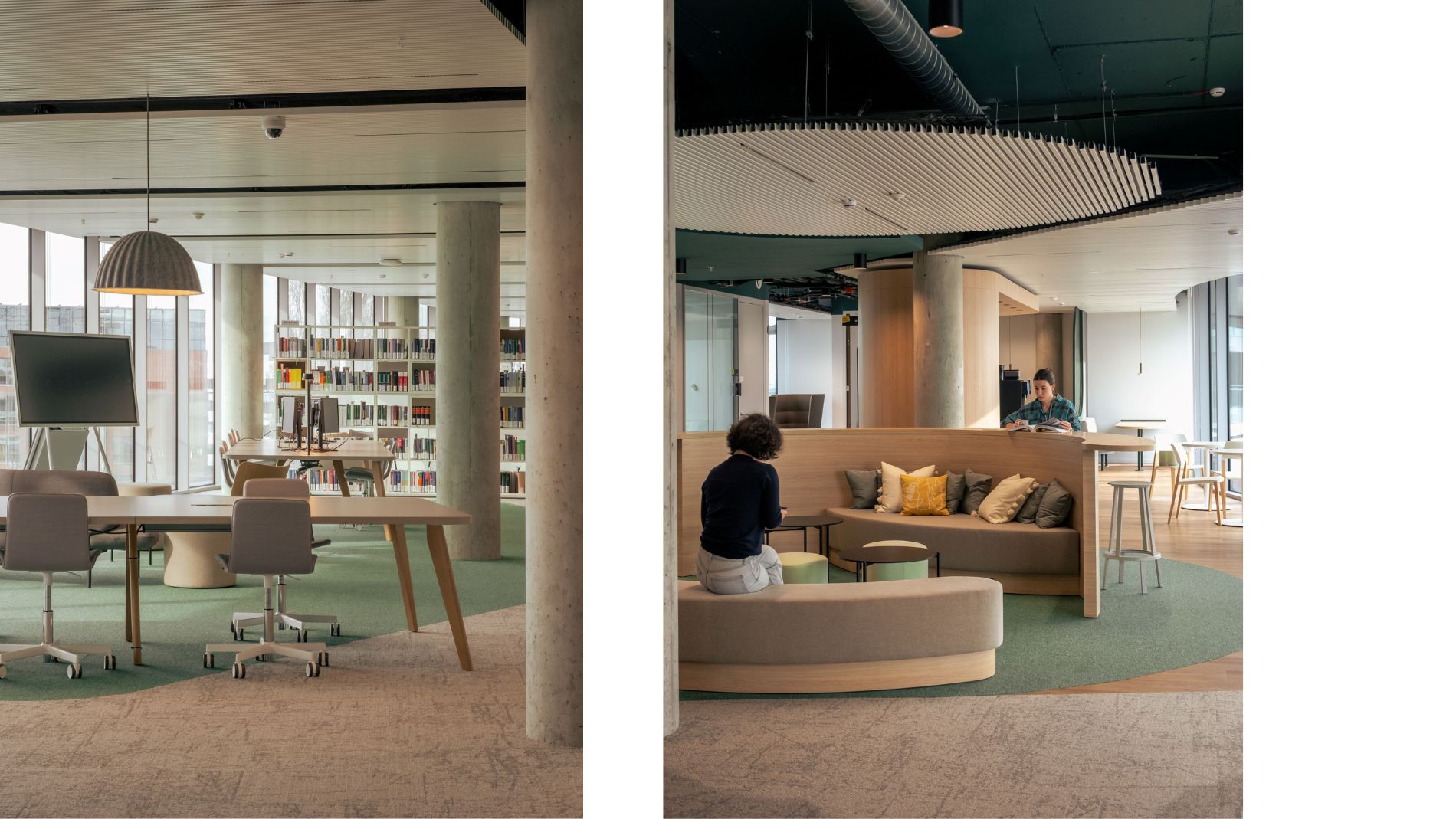
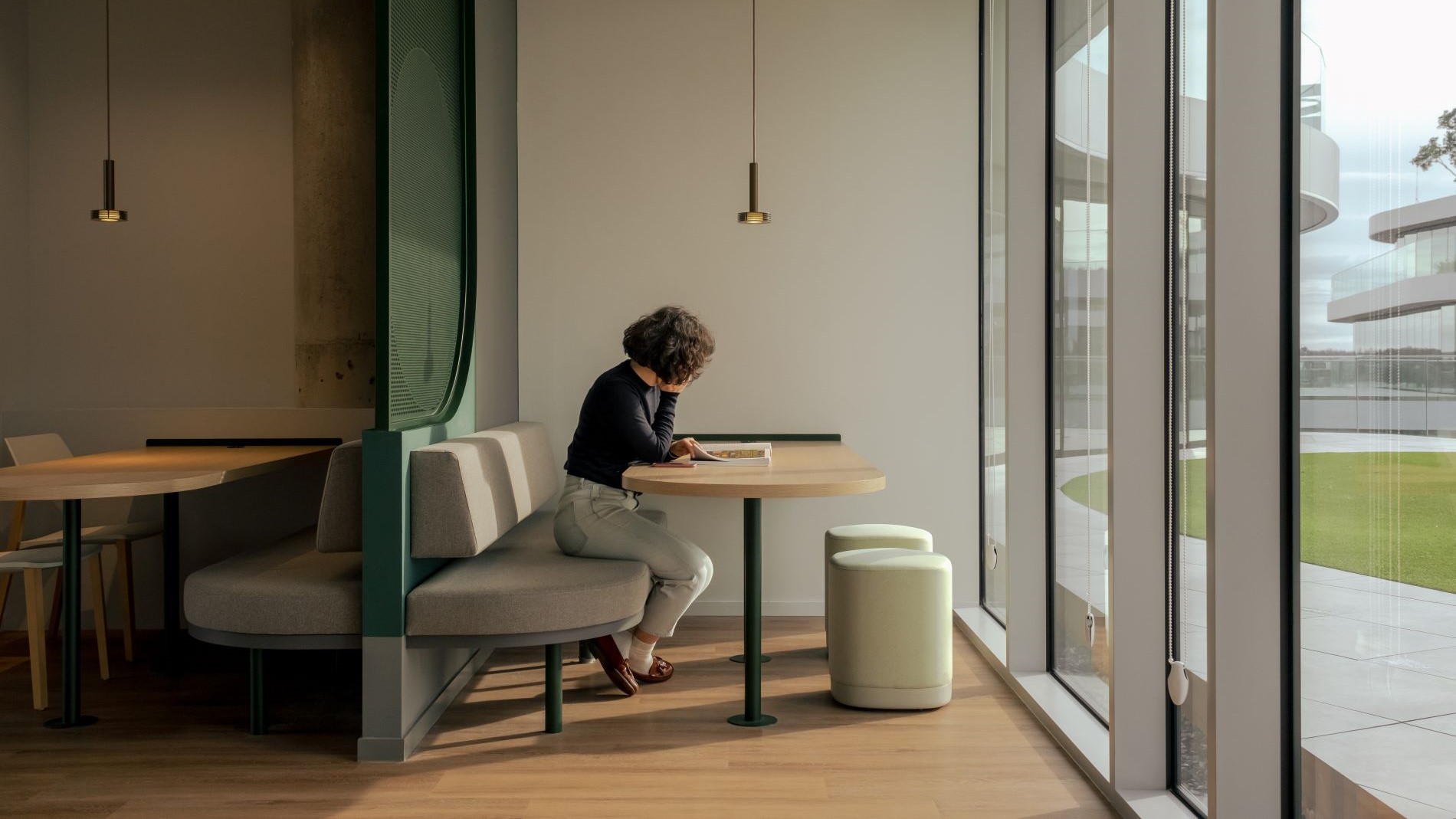
Turning constraints and materials into creative advantage
Mistakes, Mauro argues, are an essential part of the design process. He recalls projects where tight budgets or limited material options led to particularly resource-efficient outcomes. In textile projects, this often means optimising material use and reducing waste.
This requires a continuous awareness of material innovations and close dialogue with manufacturers, enabling designers to translate technical developments into market-ready solutions.