
Reading time: 3 minutes
When you begin a new project, how do you approach the topic of textiles? What tends to guide your first decisions?
Tara Bernerd: We tend to take a very holistic design approach to each of our projects, envisaging the key elements of a design from our very first brainstorming meeting. We like to ensure that each project we undertake is indigenous to the surrounding environment, and we therefore find each one has its own unique identity.
Our design philosophy is very layered, taking into account many different influences. Starting with layouts, then the key finishes and we build from there. Textiles and fabrics are a very important part of that layering and very much help give the project its own identity, or its own design DNA.
Which qualities in fabrics are most essential to you, and what makes them so central to your work?
Texture and weight matter enormously, how a fabric moves and how it reacts to light. I am instinctively drawn to fabrics that have a certain depth and craftsmanship to them.
“Whether it is a rich wool, a woven linen or a hand dyed cotton, it must carry both quality and soul.“
How do you go about combining textiles, patterns, and textures to create the atmosphere and identity of a space?
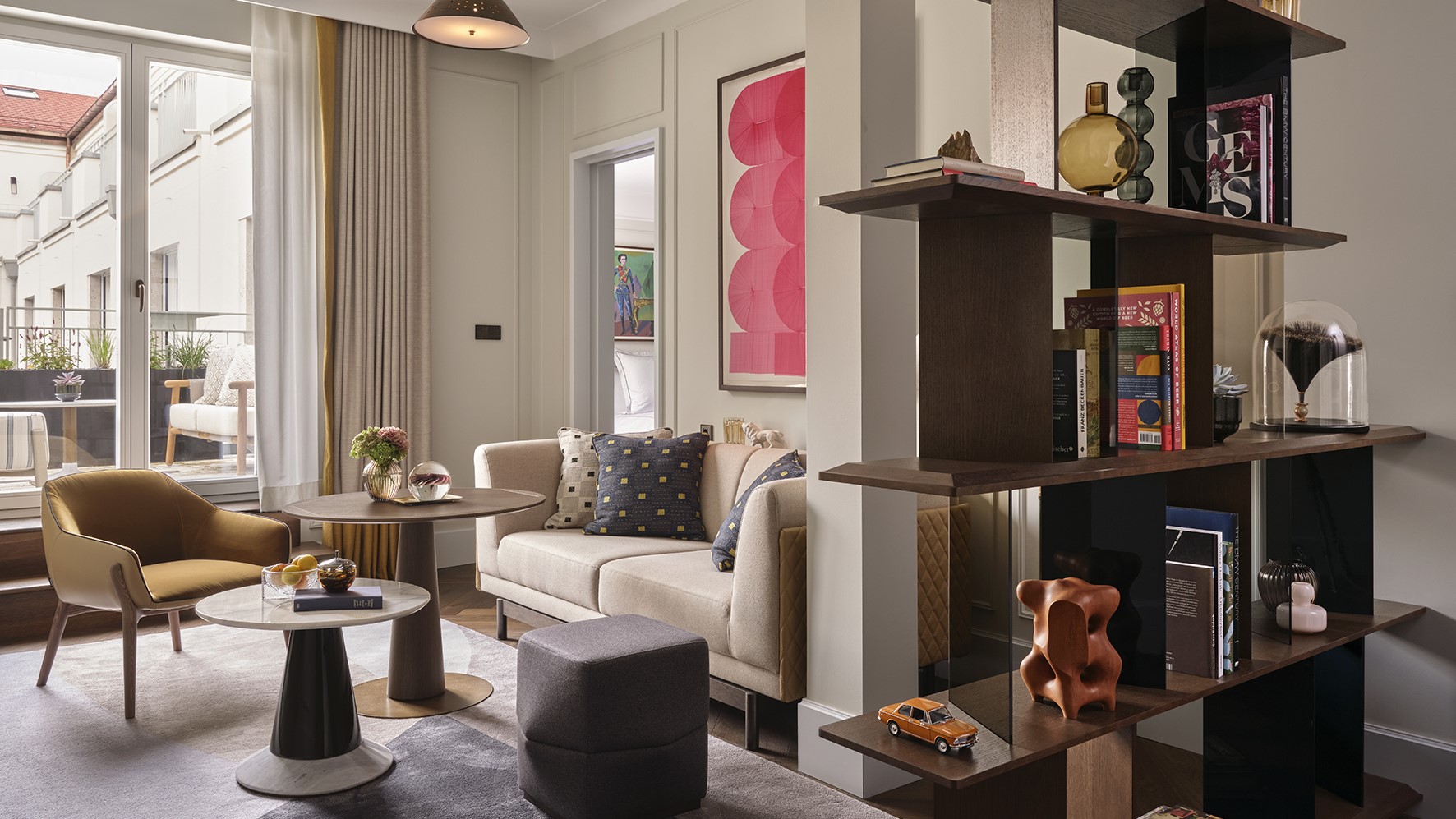
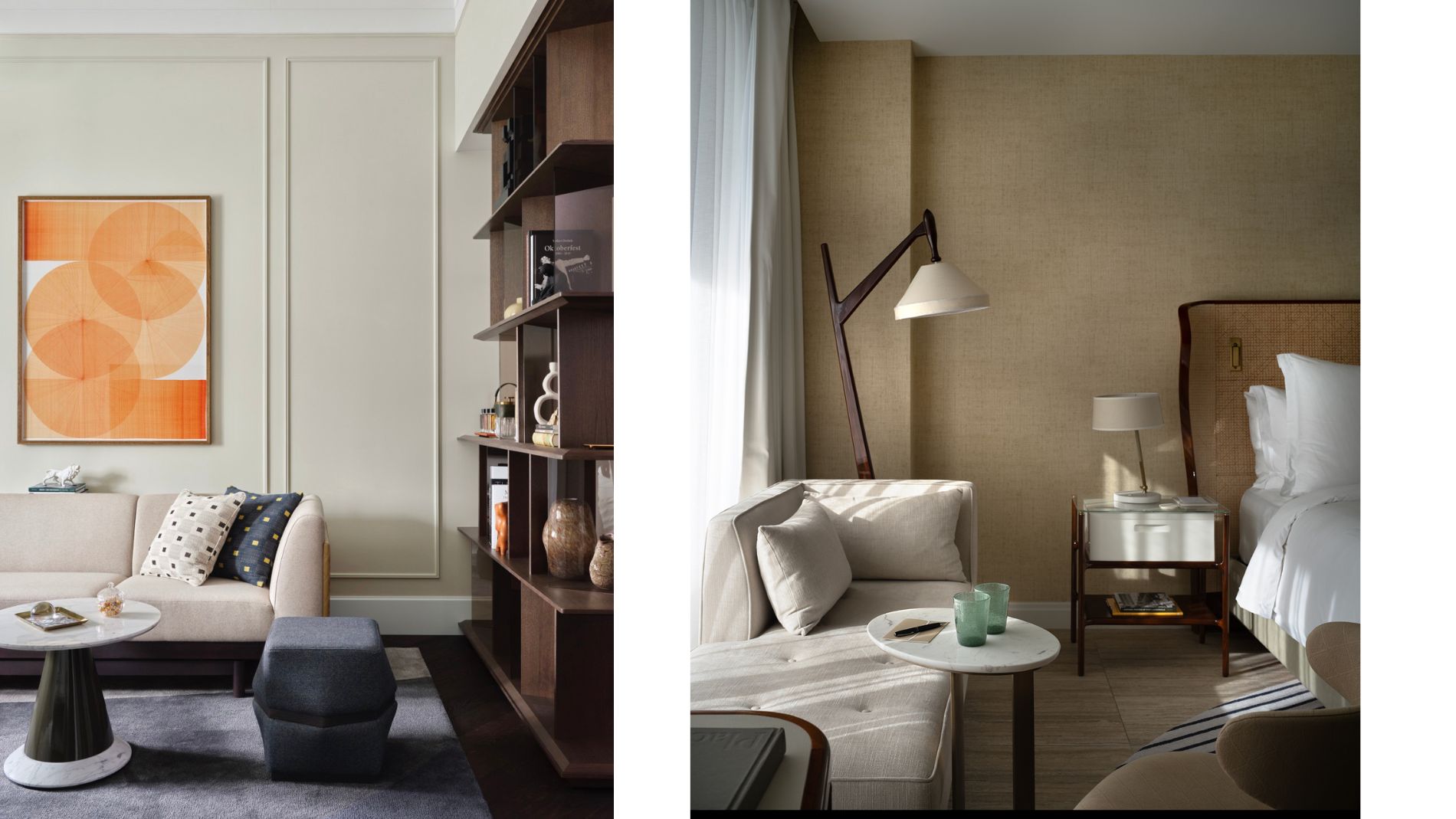
It is about balance and contrast. I like to mix tactile natural materials with more refined finishes, soft linens with brushed timber or velvet with bronze detailing. I tend to build layers of texture and tone rather than rely on bold pattern. This brings depth and atmosphere to a space without dominating it. It is through these more understated layers that a room finds its character.
Hospitality interiors come with specific practical demands. How do durability, maintenance, acoustics, or safety considerations influence your textile choices?
We always aim for the dream first and then work with our suppliers and manufacturers to create hospitality versions tailored to each project.
The challenge is to maintain the beauty and integrity of the design while ensuring the performance meets the needs of the hotel. Good collaboration with the makers allows us to achieve both.
Could you share a recent project in which textiles played a particularly defining or inspiring role for you?
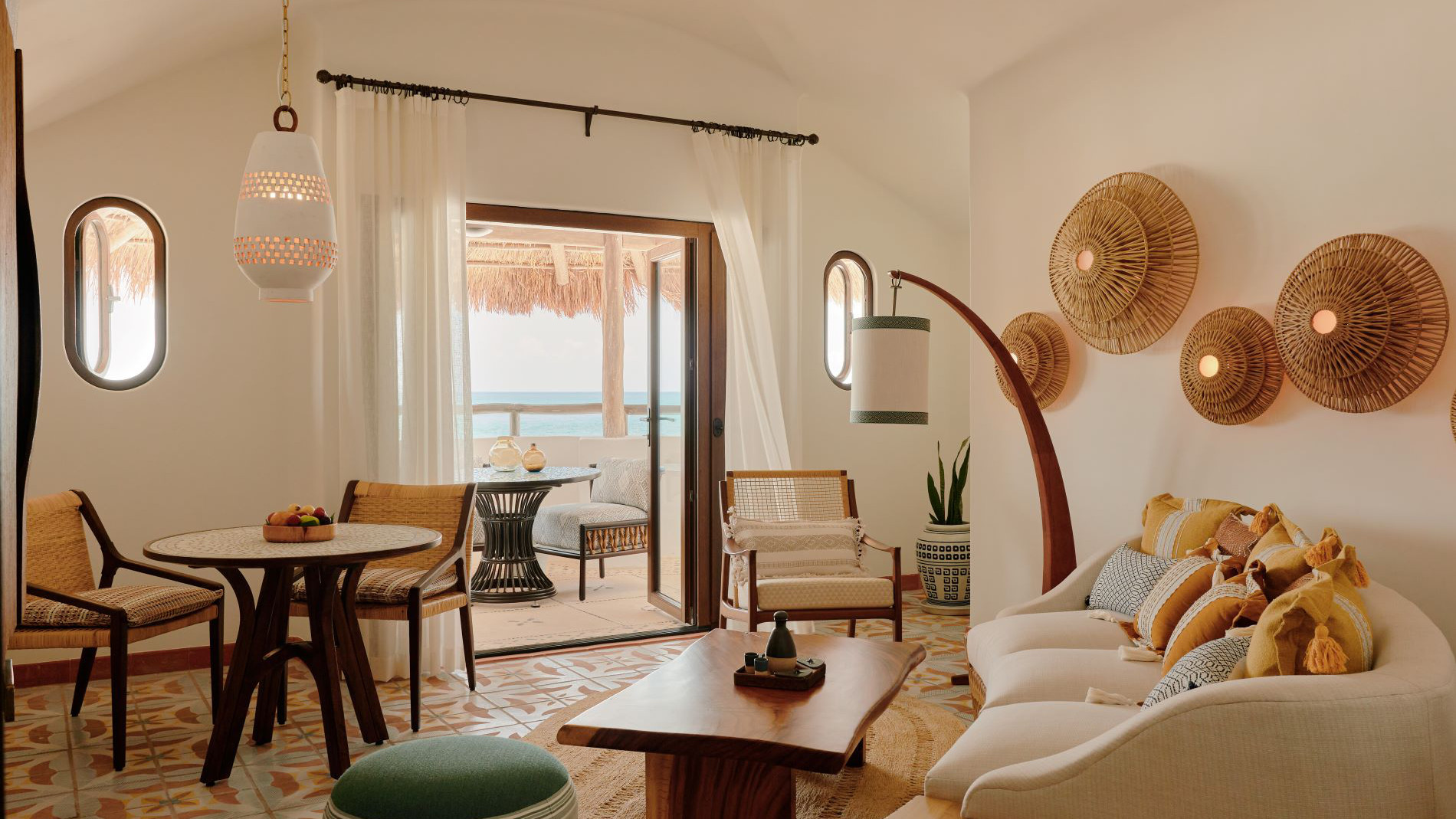
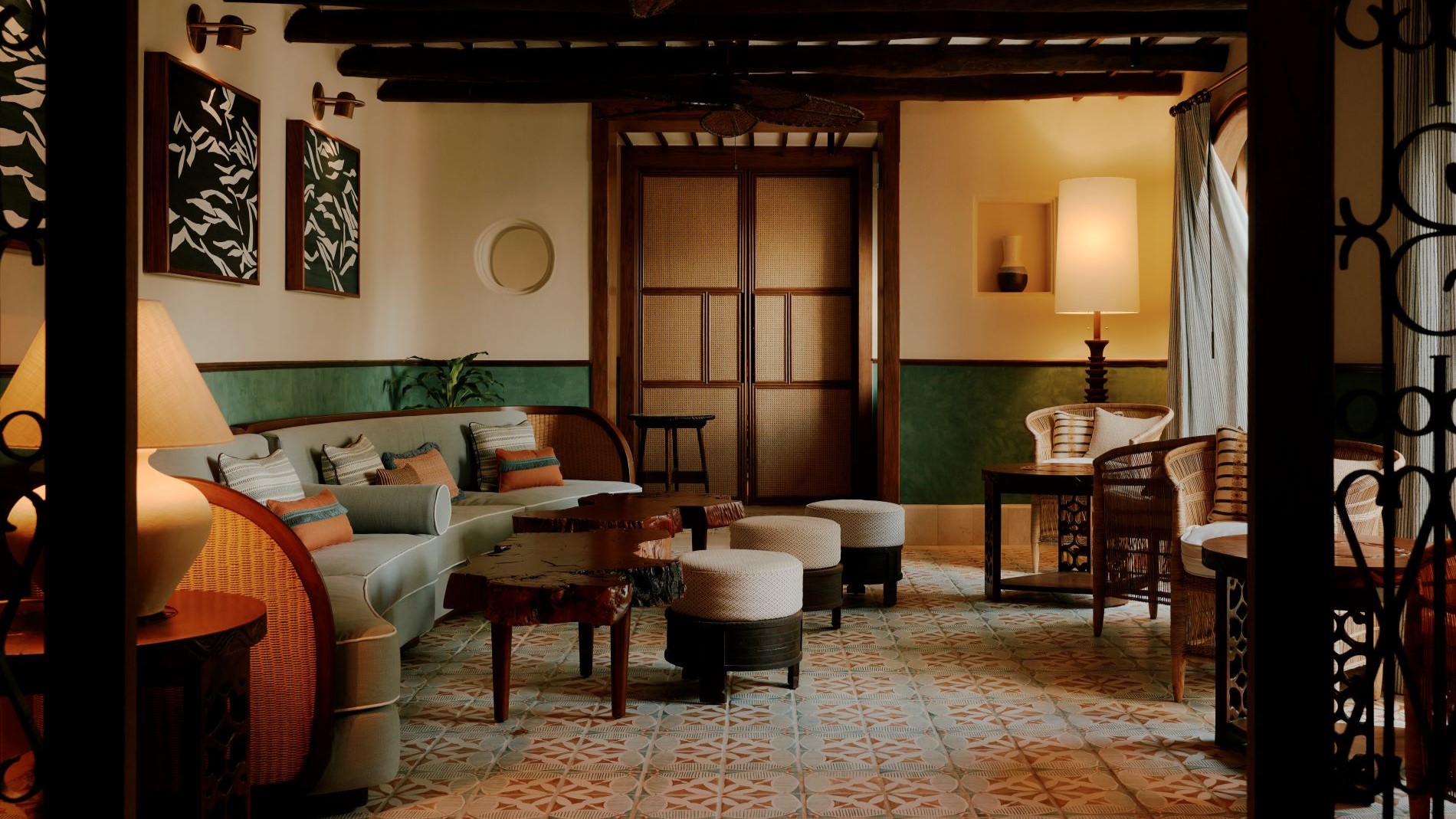
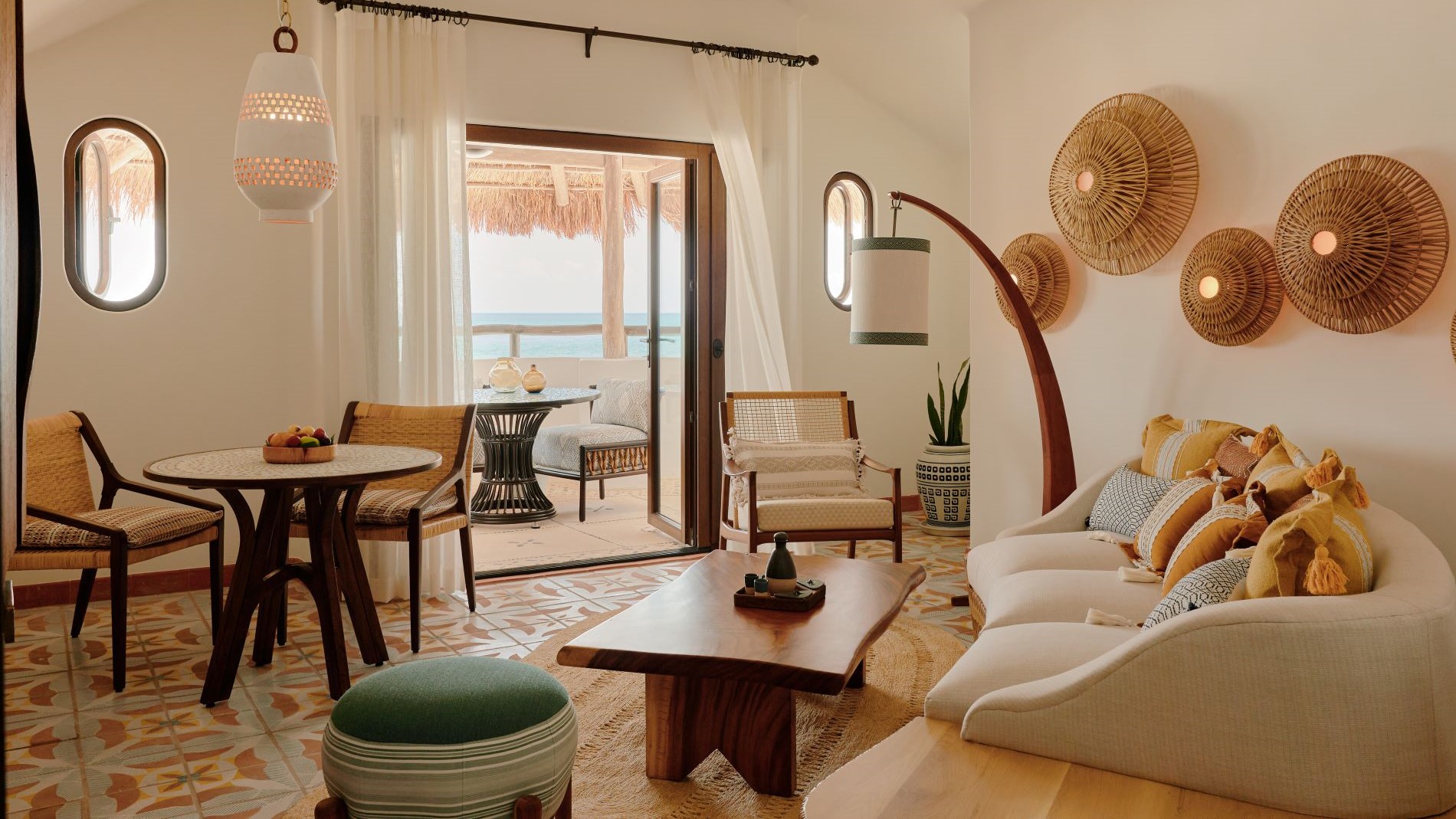
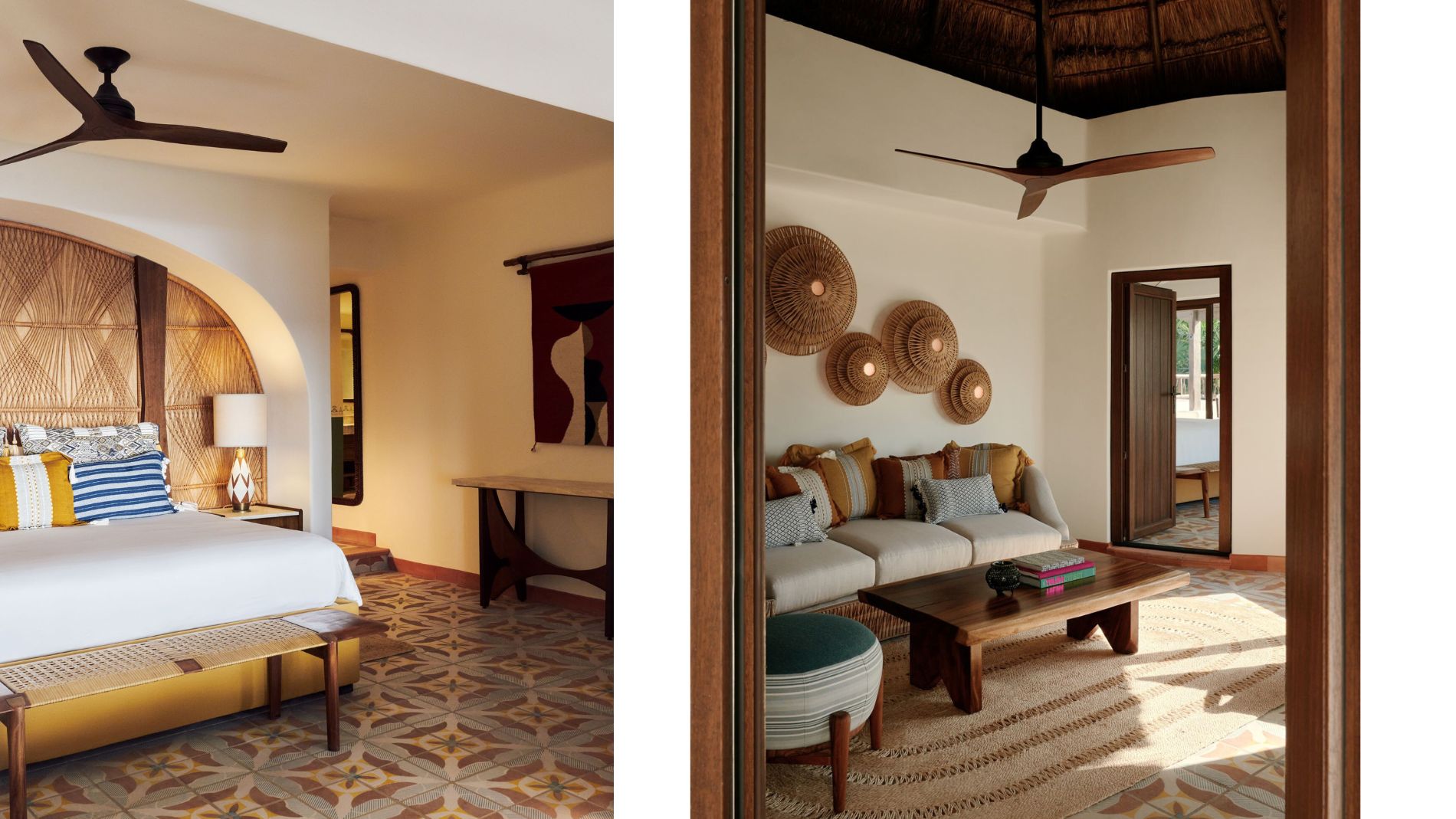
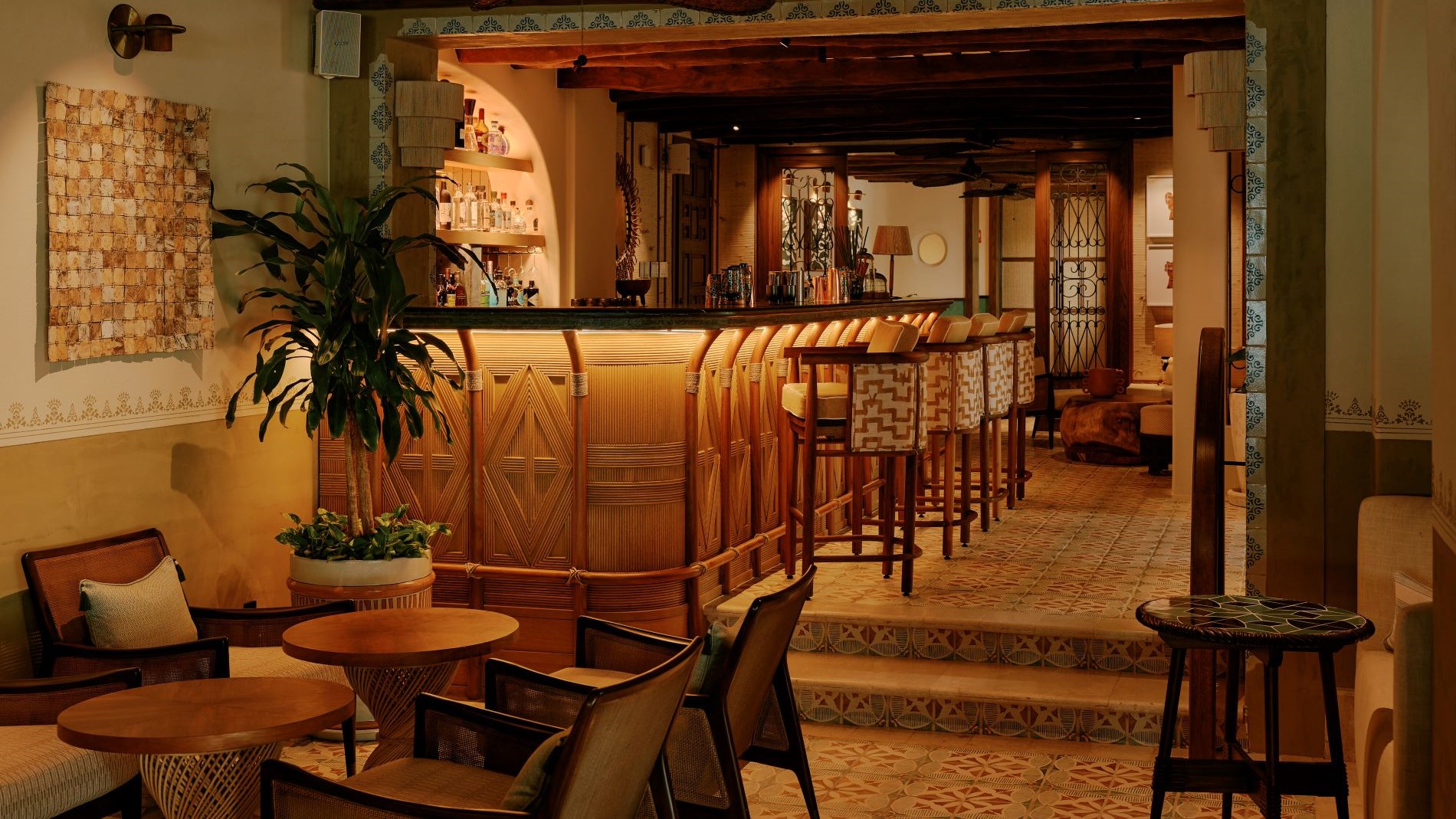
Textiles played a particularly big role at Maroma, A Belmond Hotel. We were looking to retain and enhance the beauty of Maroma’s original character, whilst simultaneously incorporating a contemporary elegance and a warmth that also has a sense of home. In essence, we wanted to create something that was effortlessly serene and had the feeling of a chic home. As with so many of our projects, we worked closely with local artisans to produce handmade fabrics and woven details that celebrate the region’s craftsmanship. The result is a harmony of texture, pattern and colour that feels authentic to its setting.
“Textiles played a particularly big role at Maroma, A Belmond Hotel. We were looking to retain and enhance the beauty of Maroma’s original character, whilst simultaneously incorporating a contemporary elegance and a warmth that also has a sense of home.“
Are there textile elements, design habits, or material choices that you feel have become part of your own signature approach?
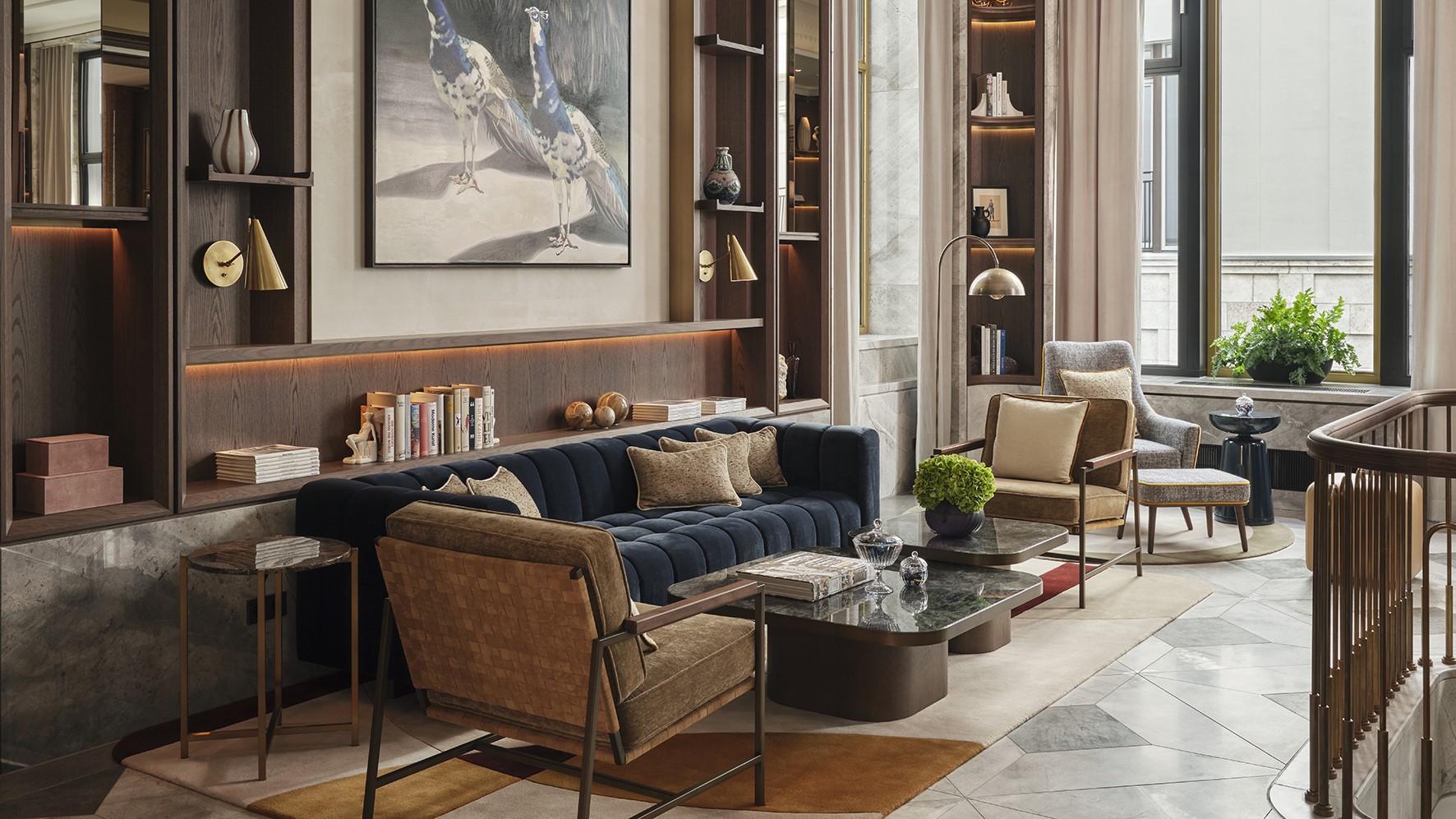
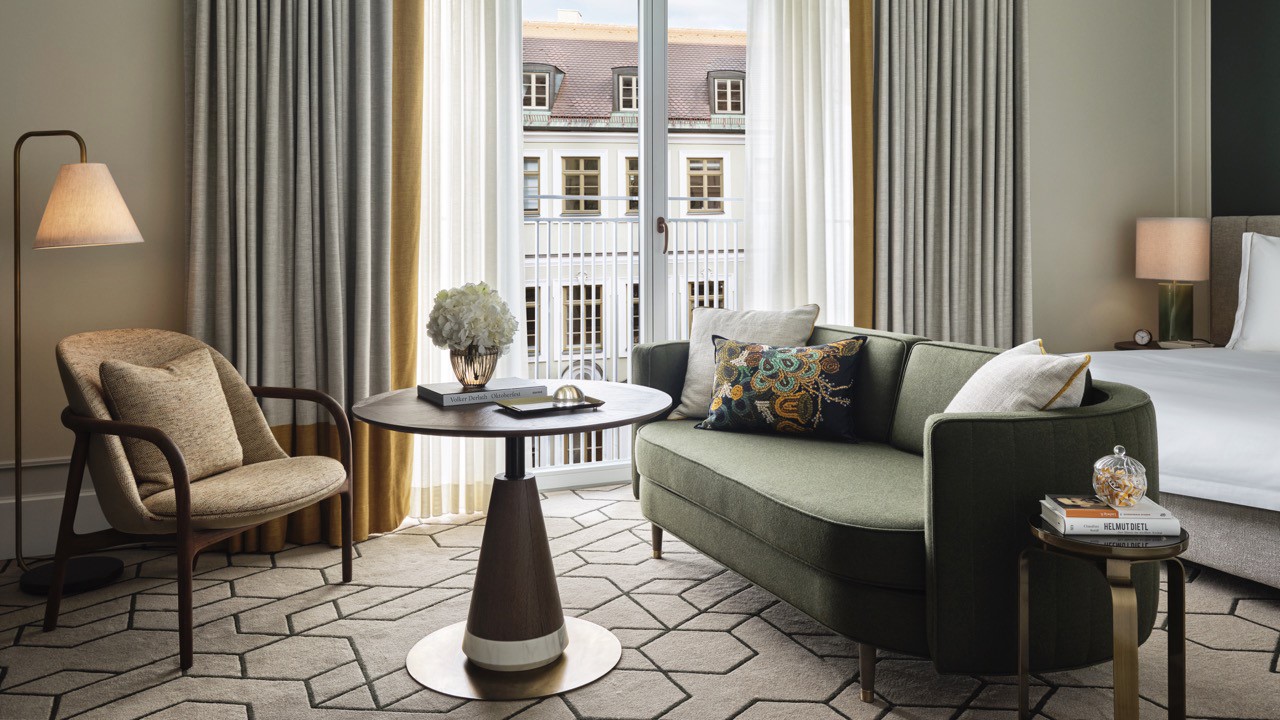
As a designer I am always inspired by beautiful fabrics, from richly woven tweeds to simpler summer linens. Textiles have become an intrinsic part of my work, they bring depth and humanity to a space. I often use a monochromatic palette in a variety of textures to bring a sumptuous feeling of luxury to a room. In other instances, a contrasting piping on a sofa or chair adds another layer of sophistication. It is that very considered layering of materials and mood that has become a quiet signature of our studio.
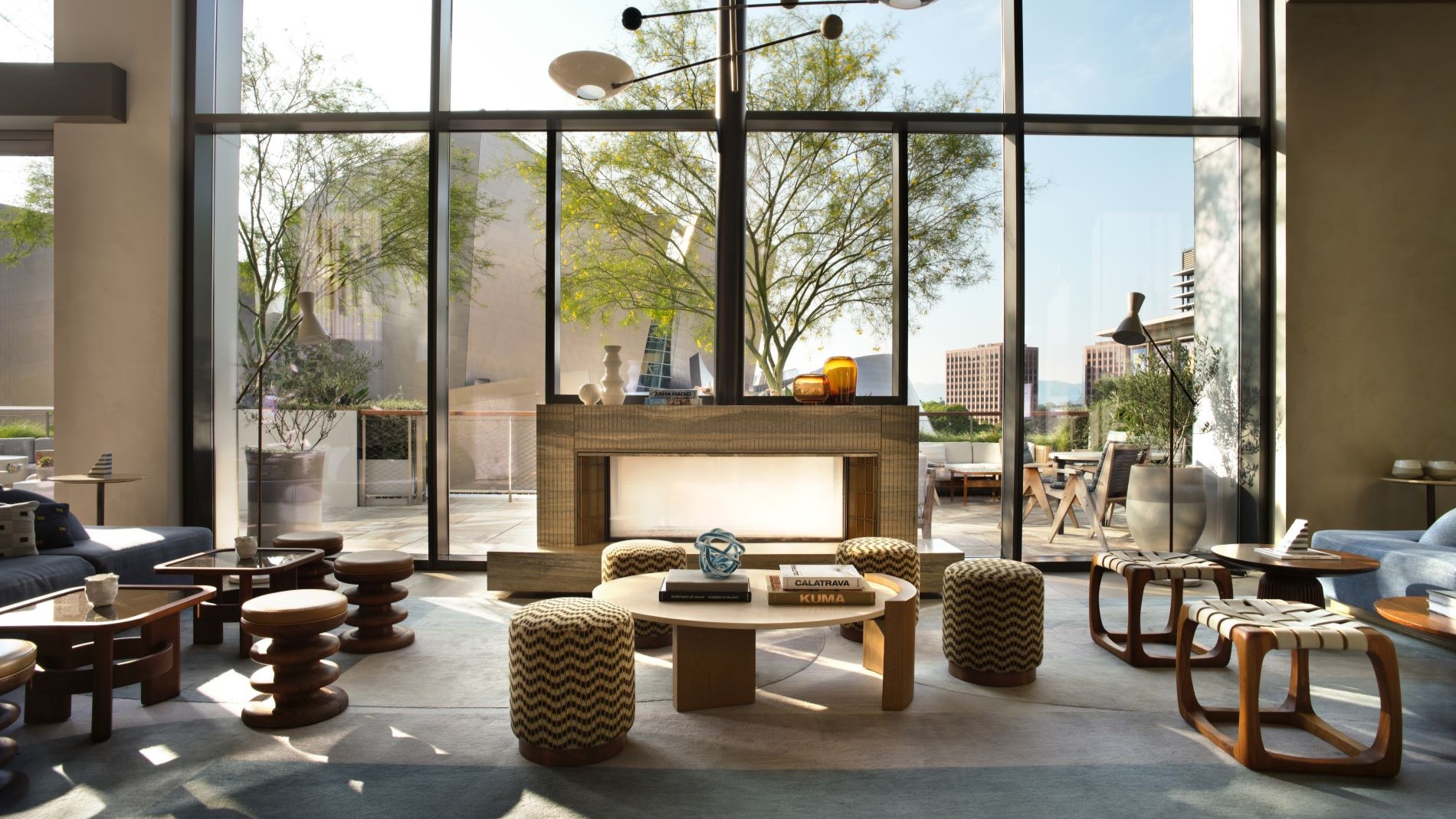
Header photo: Maroma, Belmond Hotels