Architecture with AI: Between algorithm and craftsmanship
24 Mar 2026
Artificial intelligence is fundamentally reshaping architecture. Tim Fu, founder of a London studio for future architecture and AI research, explains how design processes, organisational structures and the balance between technology and craftsmanship are being redefined.
To view the video, you must give consent to our Brightcove video player in the privacy policy settings.
From tool to intellectual counterpart
Since the industrial revolution, the division of roles seemed clear: machines performed physical labour, while humans provided intellectual direction. With artificial intelligence, this balance is shifting for the first time in a profound way. Machines are now entering domains once considered inherently human – analysis, evaluation and creative generation.
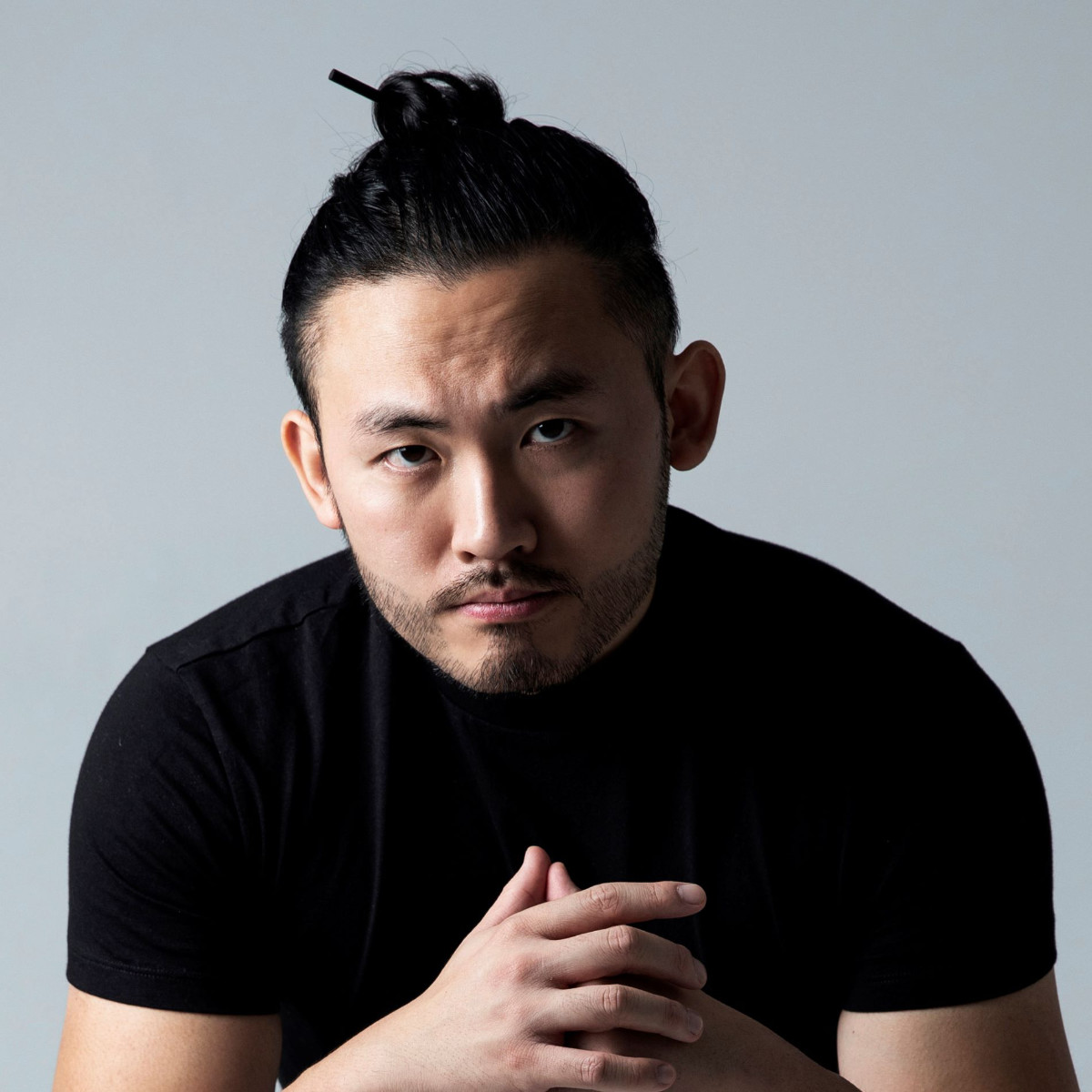
Tim Fu, founder and director of Studio Tim Fu (STF) in London and formerly of Zaha Hadid Architects, has focused his practice on integrating AI into the core of architectural work. As an architect who deliberately structured his studio as an AI-native unit, he observes this evolving human–machine relationship from within day-to-day practice. He describes the moment as the beginning of a new form of collaboration: “This sort of intellectual collaboration began to exist between the human and the machine.”
AI is therefore no longer merely an accelerating tool, but a partner in the thinking process. In architecture – where complex parameters, cultural contexts and design ambitions intersect – this opens up new possibilities, while also demanding clear lines of responsibility.
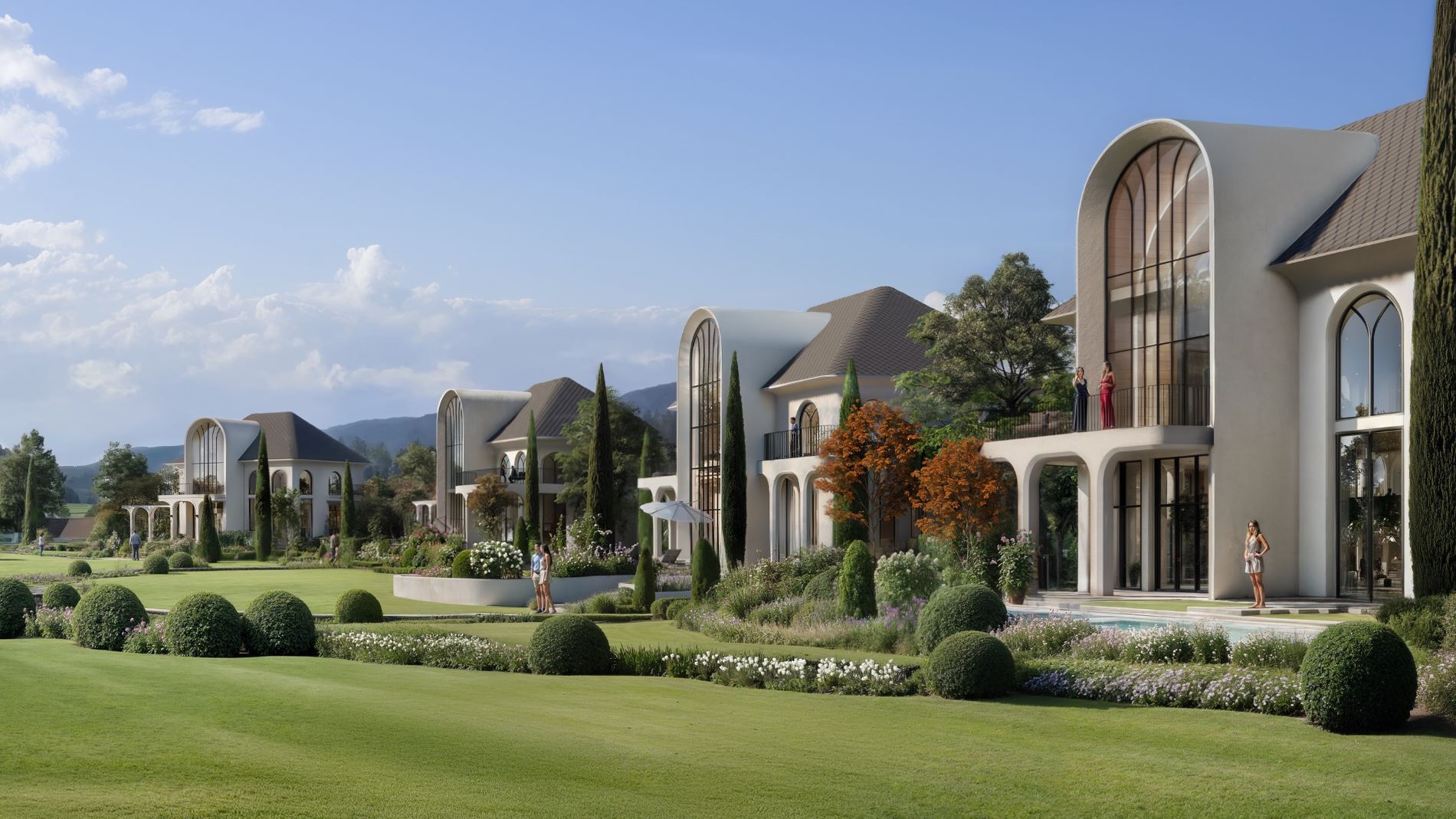
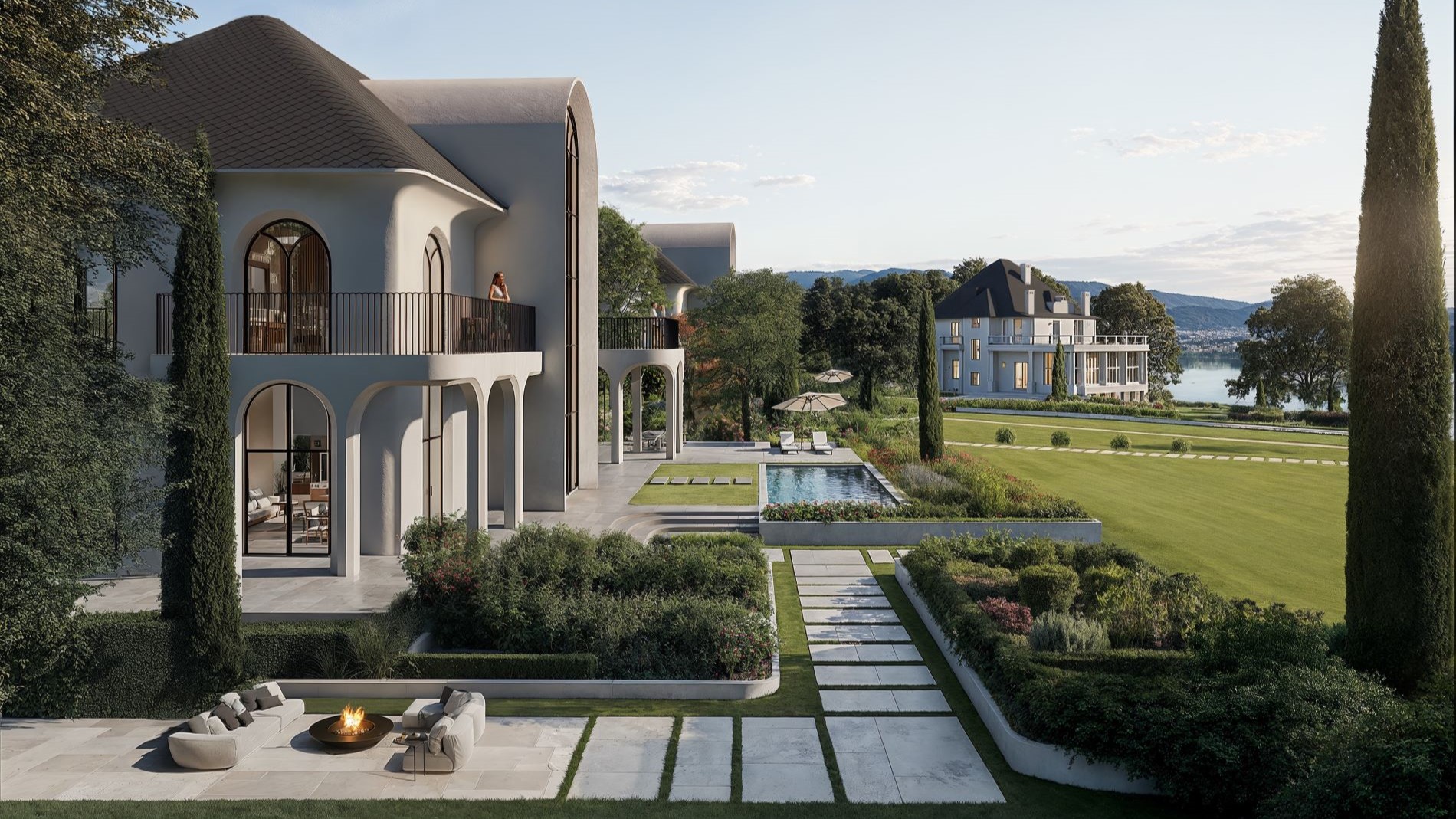
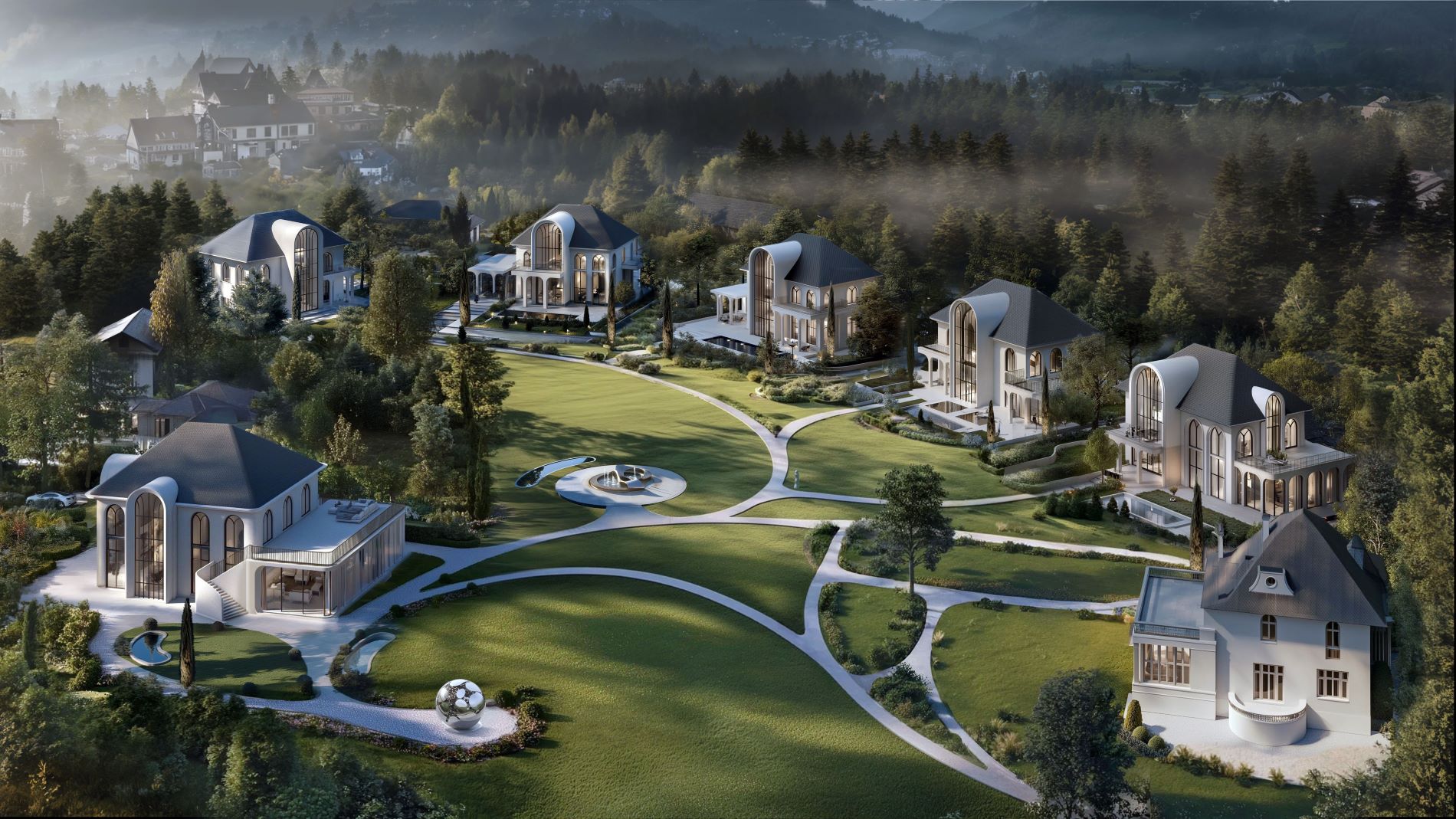
Lake Bled Estate, designed by Studio Tim Fu
Expanding the language of form
Iconic, geometrically expressive architecture rarely emerges by chance. It is the result of intensive formal exploration. This is precisely where AI reveals its particular strength: it expands the field of possibilities.
At Studio Tim Fu, different “vocabularies of form” are deliberately explored. Through precise prompting, formal references from nature, mathematics and geometry can be systematically generated and varied. “We're able to harness the power of prompting different vocabularies of form.”
AI not only accelerates iteration, it also alters how formal language is developed. The machine produces options at remarkable speed; selection, evaluation and refinement, however, remain part of a curated and disciplined design process.
Lake Bled Estate, designed by Studio Tim Fu
Reorganising practice in the AI era
At Studio Tim Fu, integrating AI affects far more than the design stage; it calls the entire organisation of a practice into question. If machines can perform certain tasks more efficiently, new roles and responsibilities inevitably emerge.
The studio operates as a deliberately streamlined, AI-native unit. Technology is continuously examined in terms of “what it currently does, and where it excels”, allowing specific process steps to be replaced or supported where appropriate.
At the same time, responsibility remains clearly defined. The “human intellectual responsibility lies in curating the process and making sure that the results represent human values.” Quality assurance, ethical judgement and cultural positioning are not delegated. The result is a model in which AI increases efficiency and speed, while architects retain strategic and conceptual control.
Lake Bled Estate, designed by Studio Tim Fu
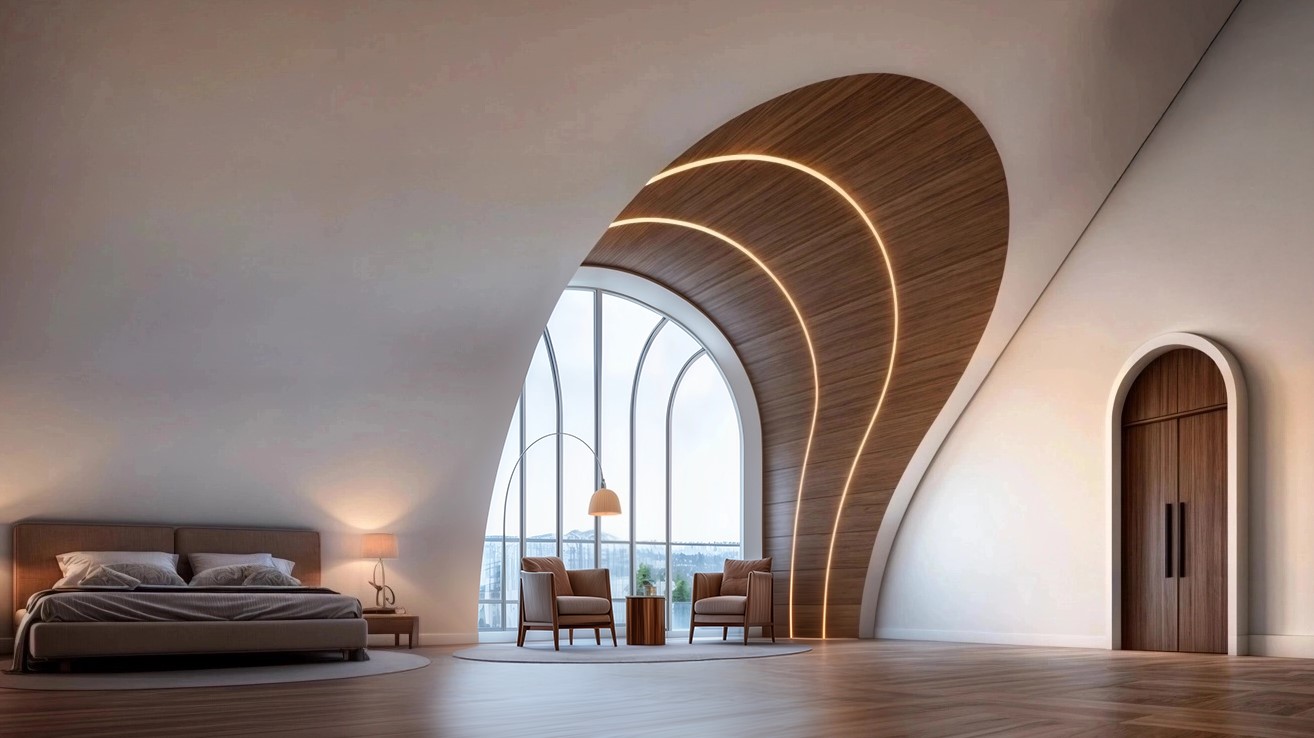
Lake Bled Estate, designed by Studio Tim Fu
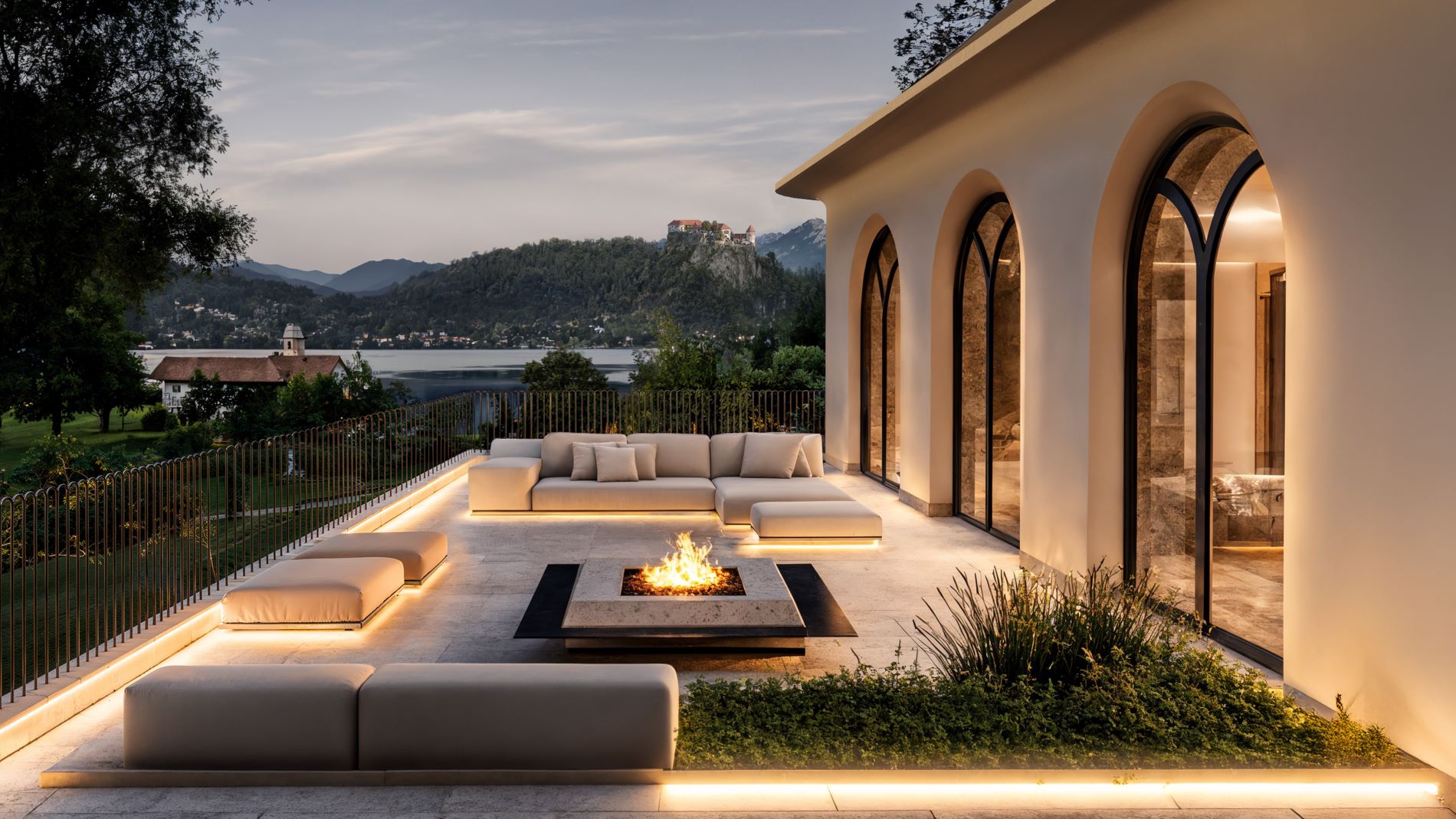
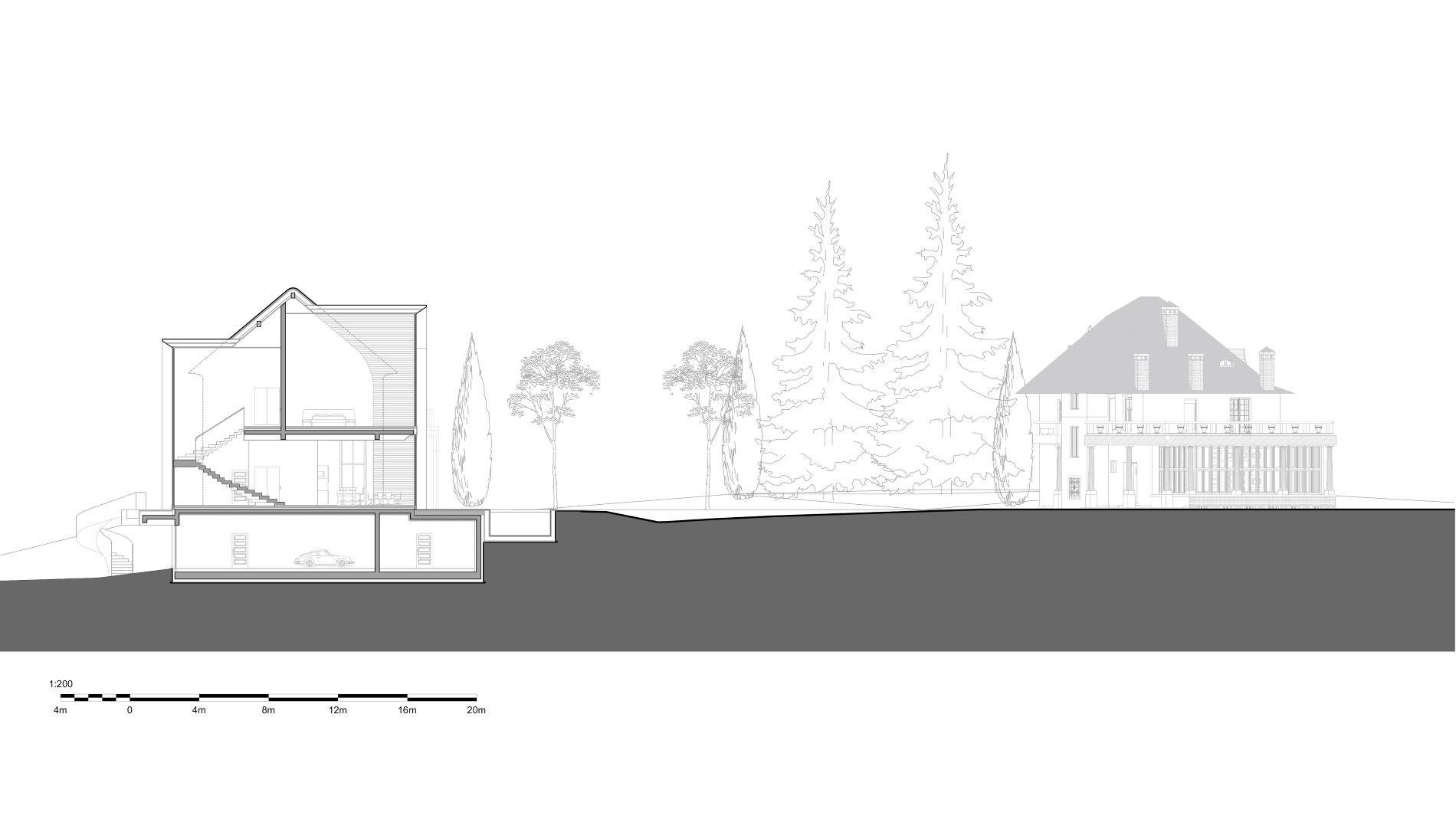
Lake Bled Estate, designed by Studio Tim Fu
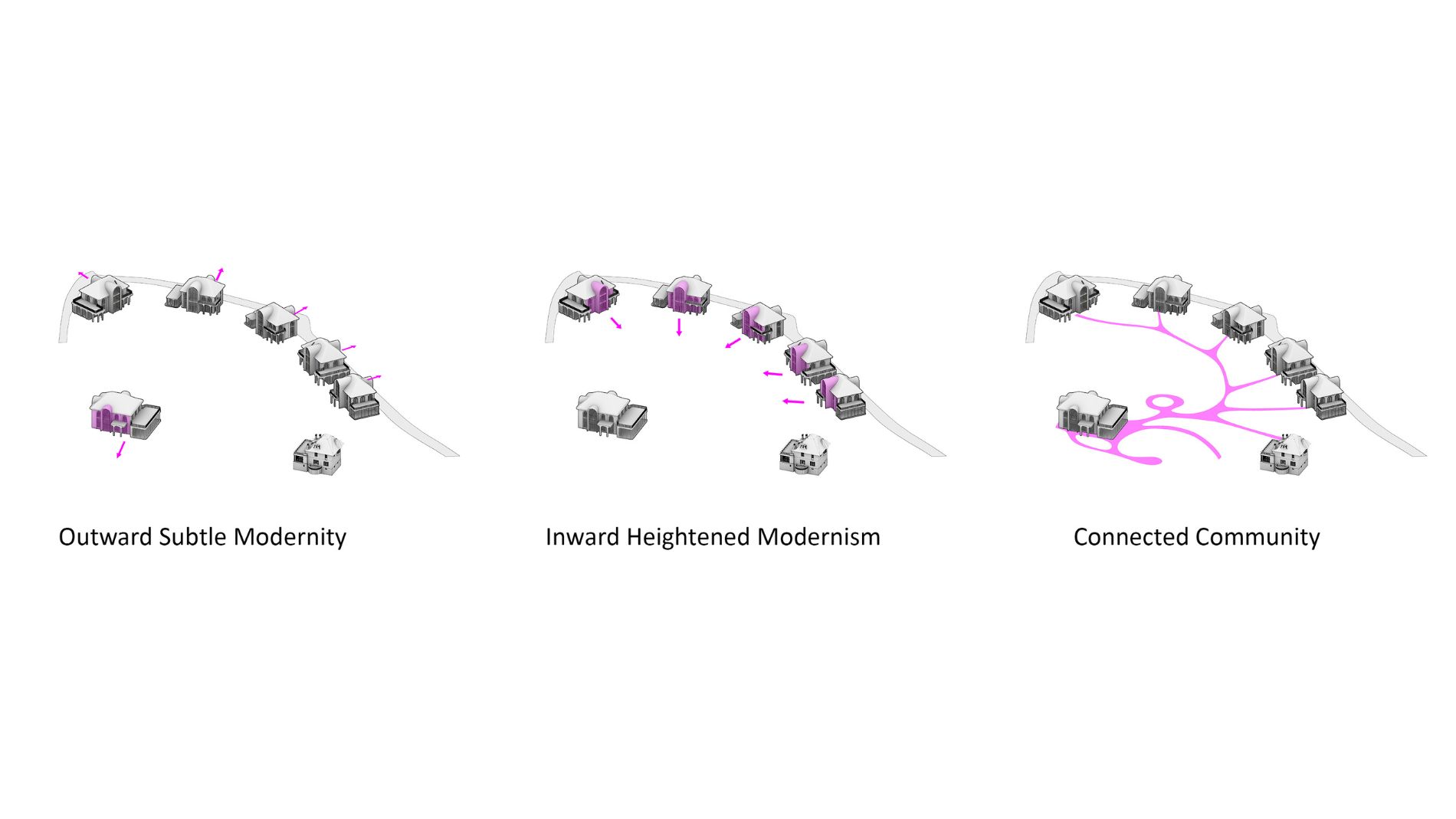
Lake Bled Estate, designed by Studio Tim Fu
Where technology meets craftsmanship
In interior architecture and textile-led environments in particular, the question arises as to how digital design intelligence aligns with material quality. When AI accelerates ideation, the emphasis inevitably shifts towards refinement and realisation.
Craftsmanship therefore remains central. “The human craftsmanship could be part of the manufacturing and fabrication process.” Textiles, surfaces and fabrication details are not merely technical components; they embody tactility, identity and cultural meaning.
While AI enables rapid iteration and variation, human expertise shapes the final material expression – through to fabrication. Fu even suggests the emergence of a “more artisan kind of industry.” Machine intelligence and manual precision may thus find a new equilibrium. For the international textile value chain, this points to a productive convergence: computational design processes on the one hand, deep material and manufacturing expertise on the other.
“We have to be responsible in interrogating what is going to be the next frontier of AI and human and how we collaborate.”
An industry at a turning point
Architecture, interiors and design are entering a period of profound transformation. AI is reshaping workflows, decision-making and aesthetic outcomes alike. “We are reaching a new frontier.” Looking ahead, Fu emphasises: “We have to be responsible in interrogating what is going to be the next frontier of AI and human and how we collaborate.”
The challenge is not to apply technology indiscriminately, but to embed it meaningfully in processes that produce expressive, responsive and sensory-rich spaces. The guiding principle is cooperation rather than substitution.
Key takeaways
AI shifts the machine’s role from physical to intellectual labour.
Formal exploration is significantly expanded through AI-driven iteration.
Architectural practice requires new organisational models and clear responsibilities.
Humans remain responsible for curation, values and quality control.
Craftsmanship and textile fabrication gain renewed relevance within AI-supported processes.
The future lies in a reflective collaboration between human and machine intelligence.