
Reading time: 3 minutes
The first step into a space
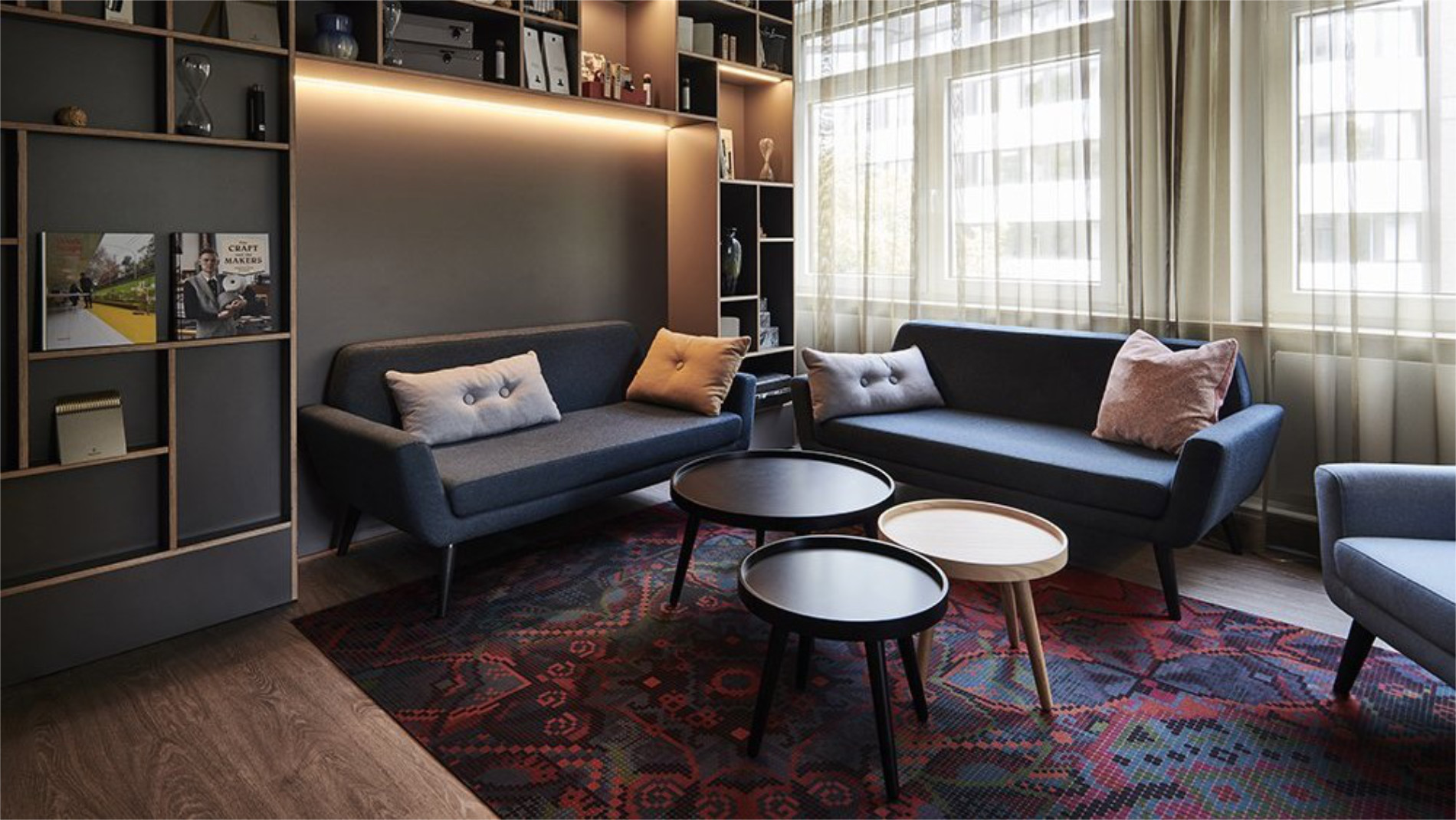
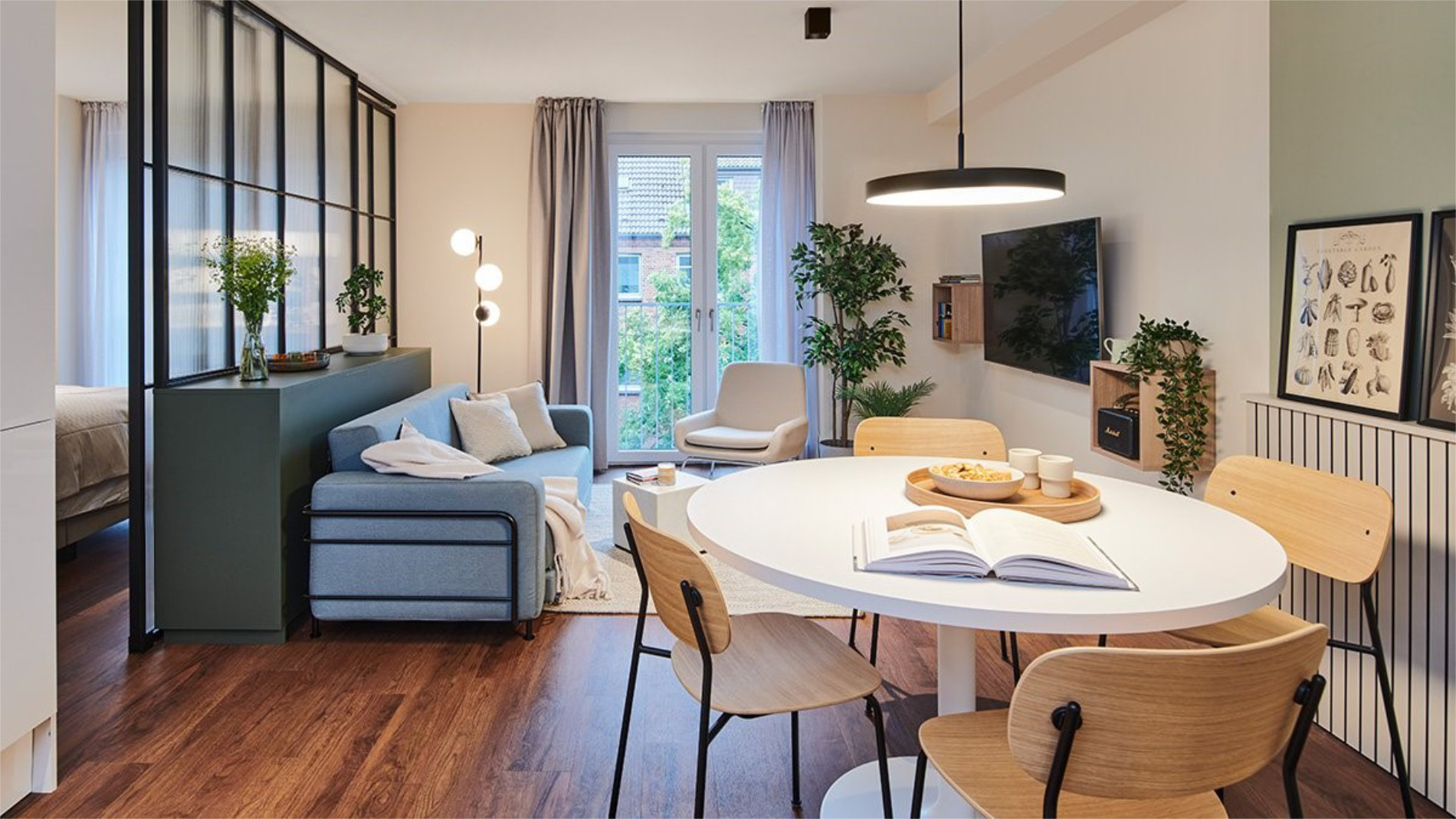
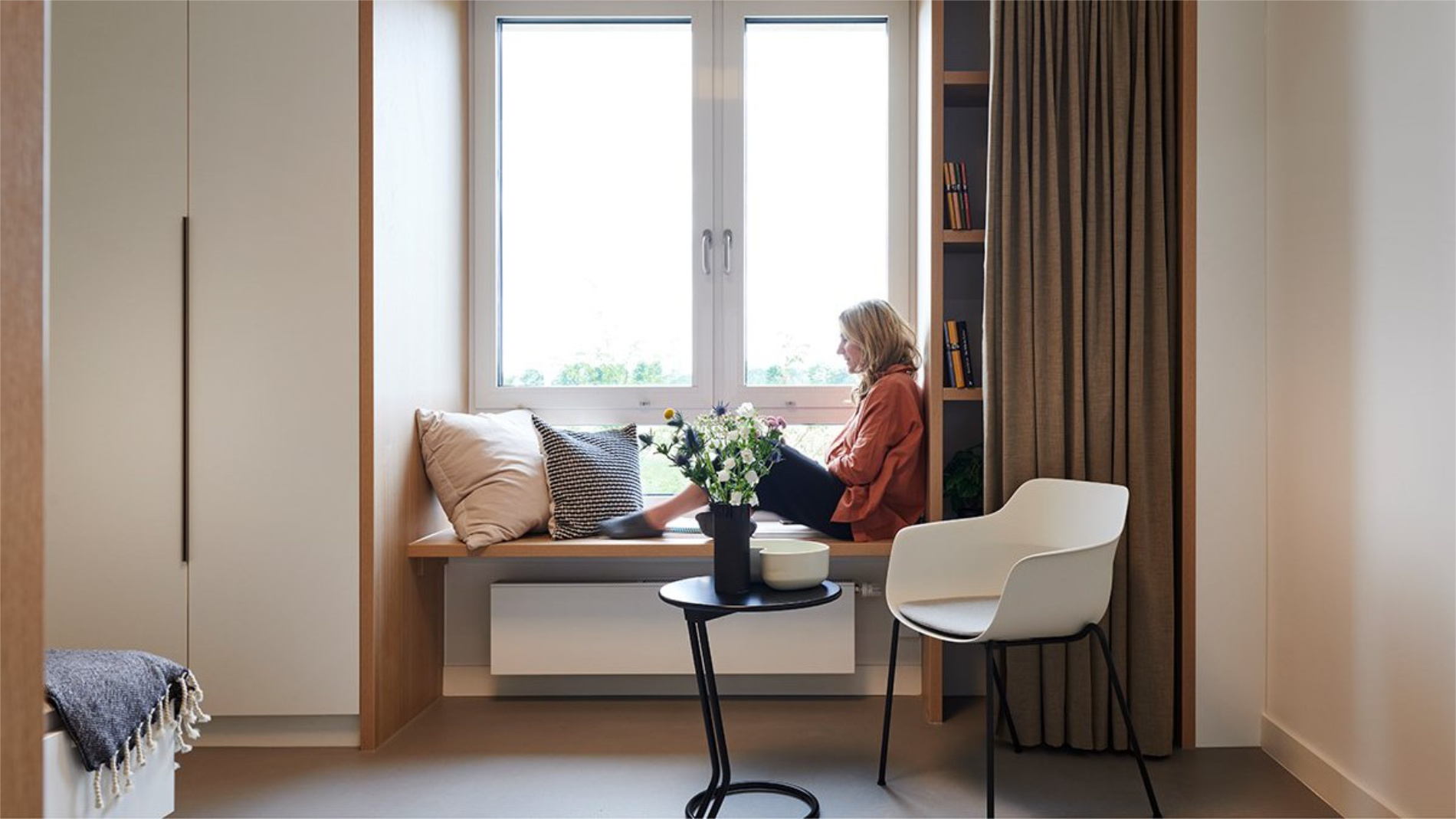
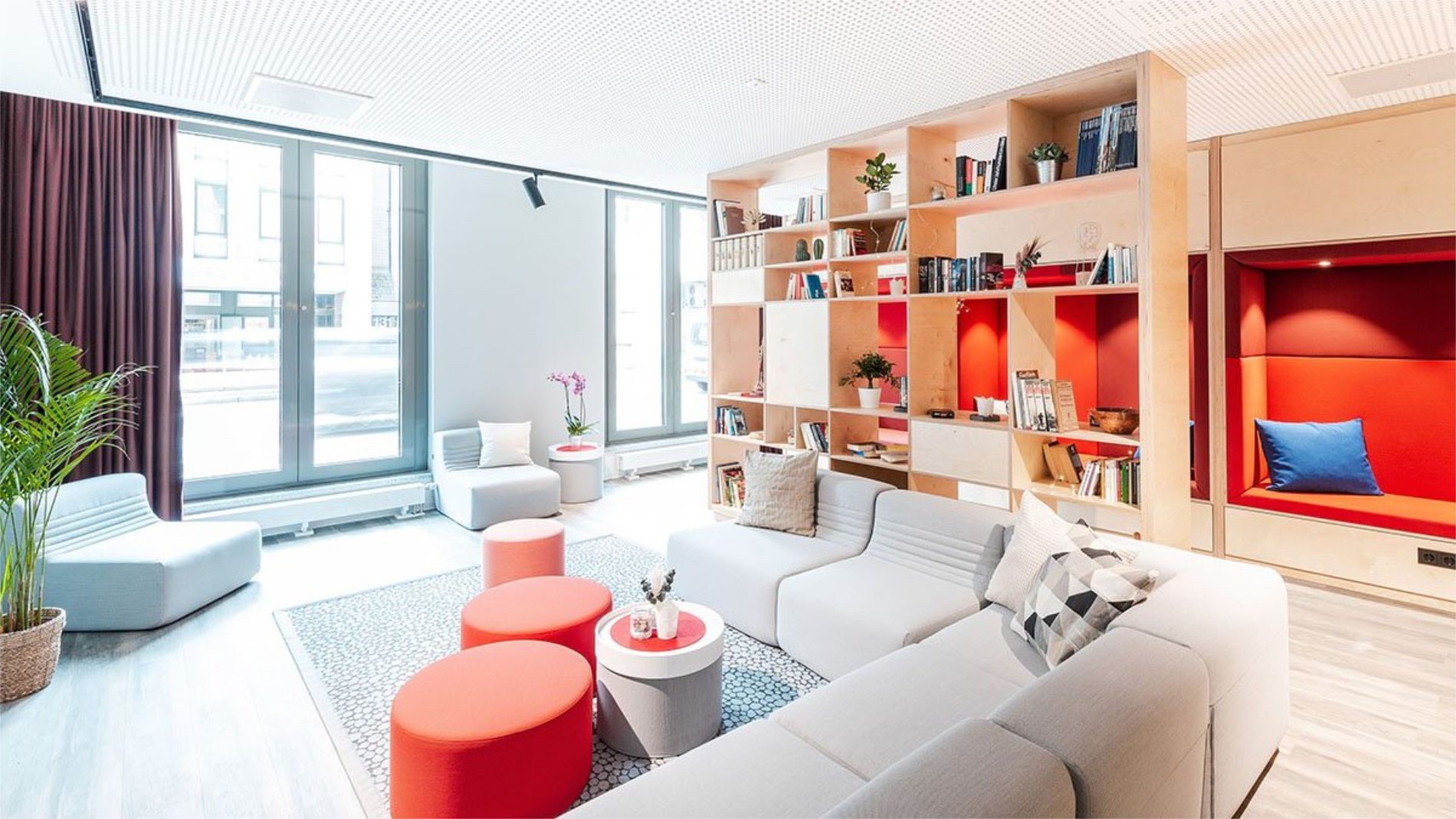
Material, form and use combine to define what a space is. “Textiles on the floor are often the first physical contact with a room”, says Piotr Misiewicz. He is Head of Design at de Winder Architekten in Berlin and develops spatial concepts that understand architecture as a network of relationships. It is clear that, even before the eye fully takes in the architecture, the body responds. The floor becomes an “architectural layer that people feel before they consciously perceive the room”, according to Misiewicz. This physical experience shapes the atmosphere and determines whether a space feels calm, dynamic, representative or relaxed.
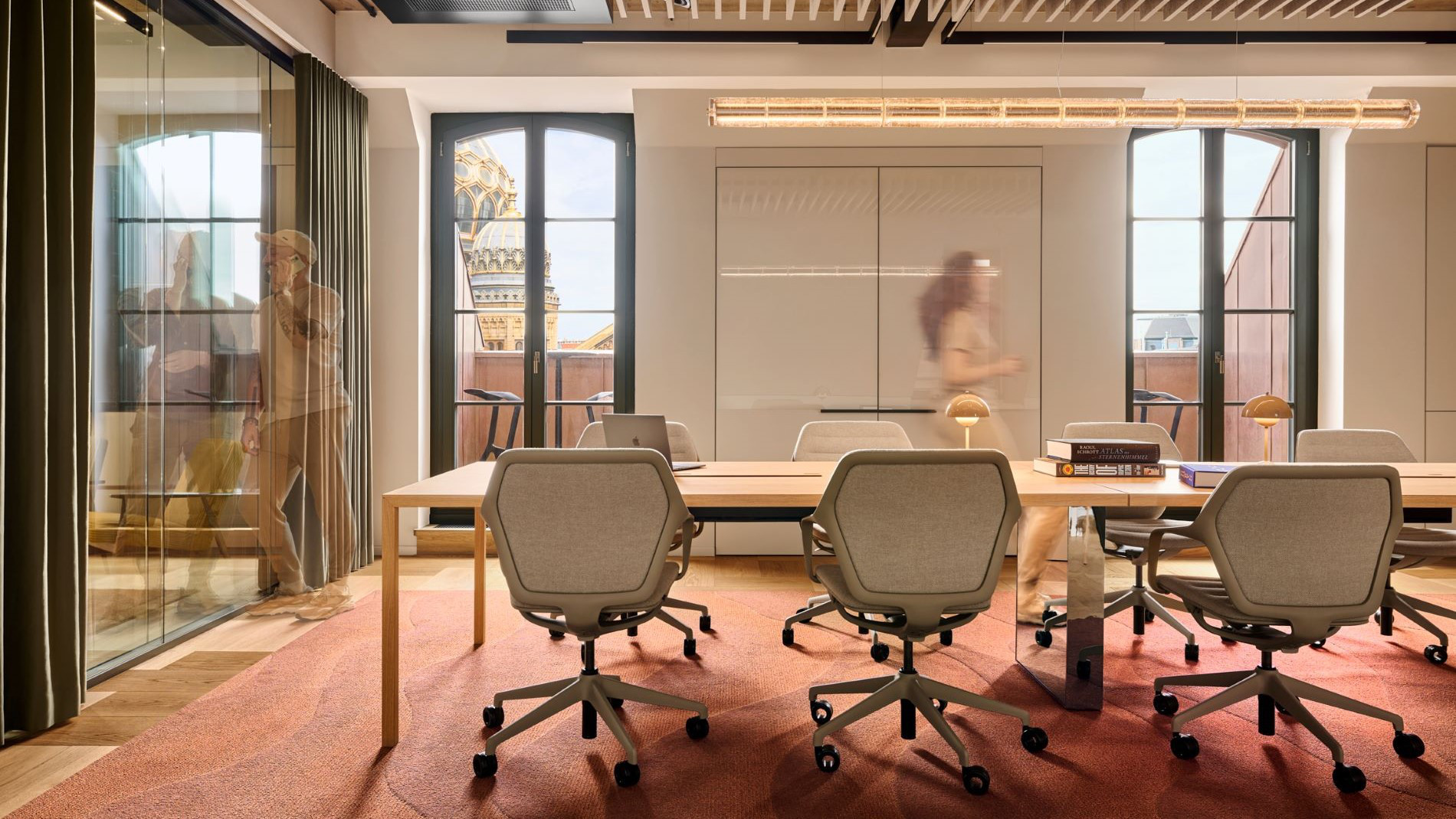
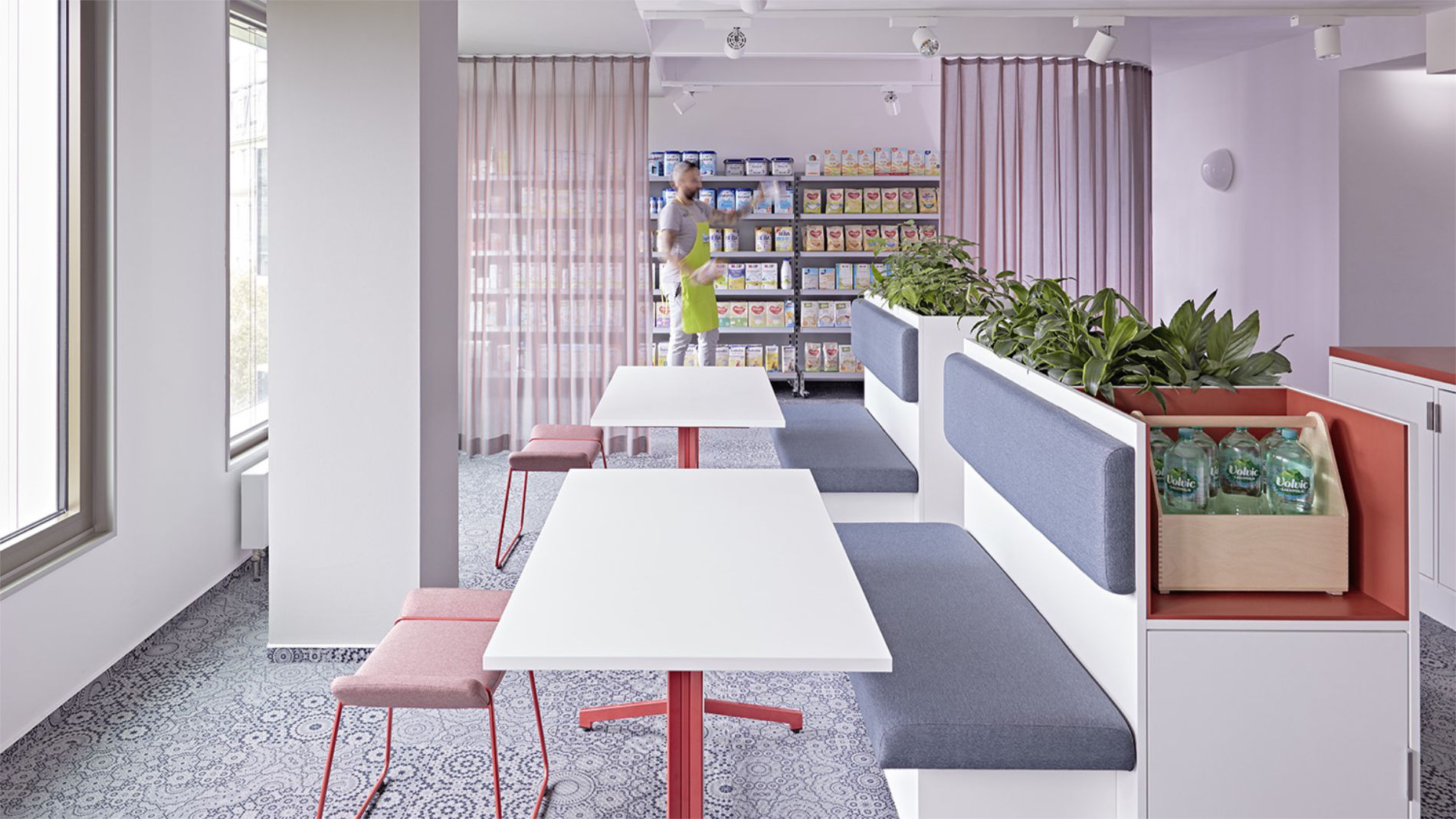
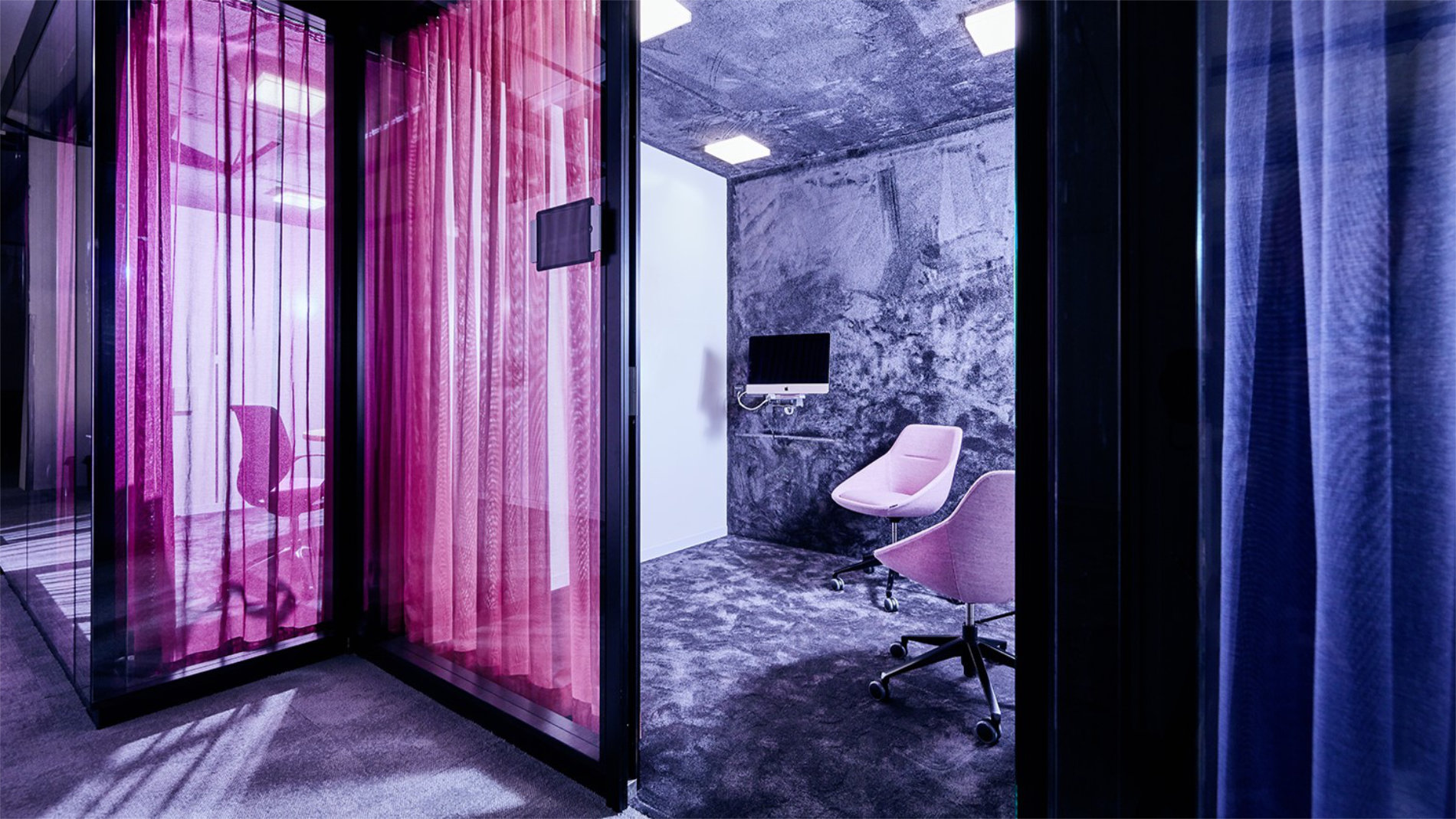
Textile coverings absorb sound, cushion movement and “create a sense of belonging”. At the same time, they take on a subtle yet effective guiding function. As a “silent but effective navigation tool”, they structure open areas, mark transitions and support orientation. Different textures or patterns allow users to intuitively grasp the logic of a place. Almost unconsciously, a sense of security emerges.
Yet this effect never unfolds in isolation. Anyone who speaks about floors is also speaking about walls and ceilings. Andreas Jacob, Associate at brandherm + krumrey interior architecture (b-k-i), explores how different layers in a space can be combined into a coherent experience. “We cannot create a room with just one of these levels.” Even if only a carpet were the focus of a design, the surrounding materials, proportions and lighting conditions decisively shape the spatial experience.
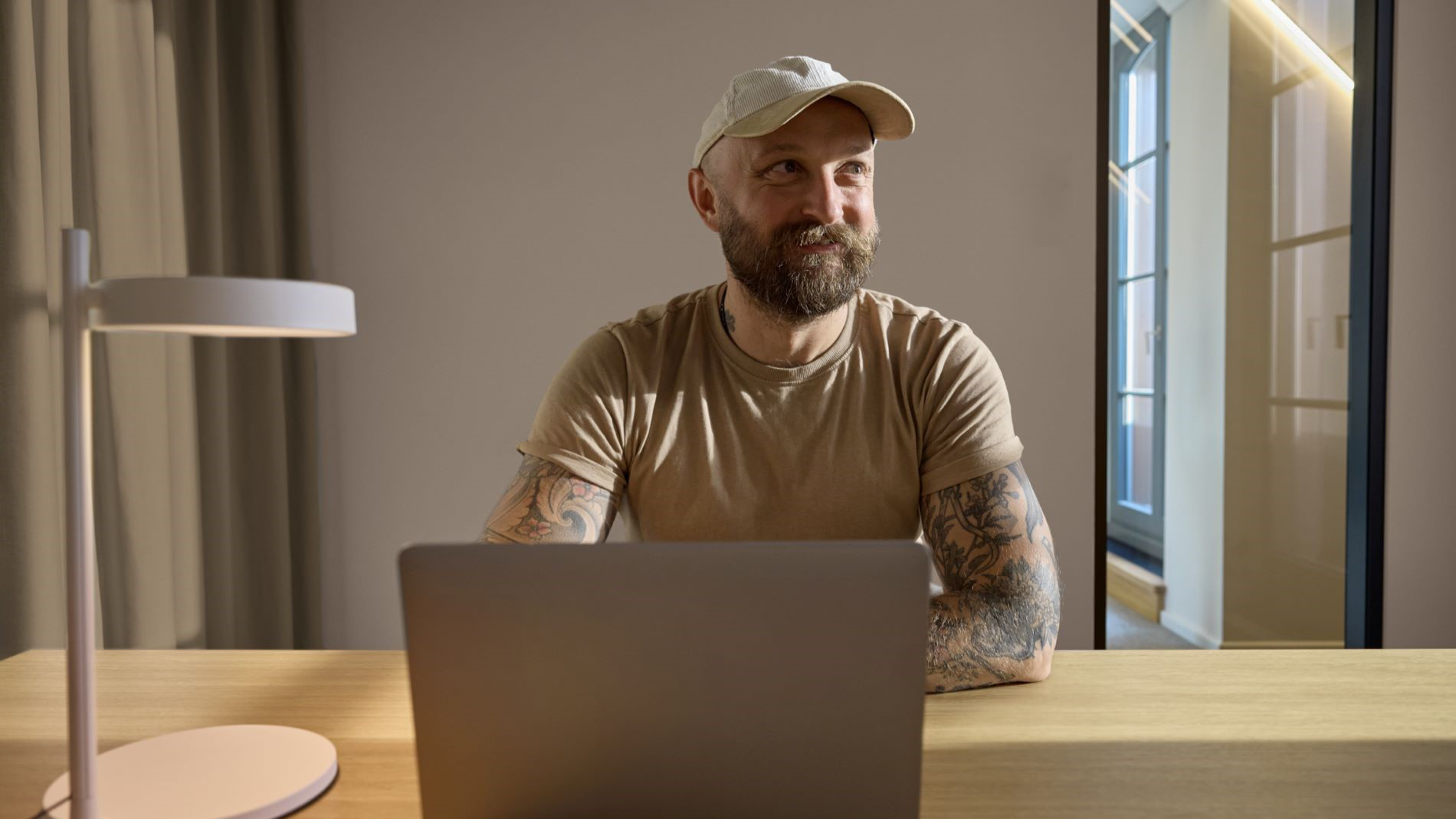
“What matters is not to choose between function and sensory quality, but to combine the two.
Impact always arises in context
“No impact without context” – this idea runs through the work of Andreas Jacobs at brandherm + krumrey interior architecture. Geometry defines boundaries, but only materiality, colour and texture give expression. Planning can and should therefore take all five senses into account: sight, hearing and touch, as well as smell and taste. Spaces are convincing when they do not function solely visually, but rather as a holistic experience.
Misiewicz also understands design as a balance between analysis and intuition. “It is always a good start to listen to the customer”, he says. Corporate culture, working methods and strategic goals determine how acoustics, light reflection, haptics and durability interact. What matters is “not to choose between function and sensory quality, but to combine the two”.
Subtle textures can convey calm and trust, while more dynamic structures can encourage movement and exchange.
Textile surfaces play a central role in this. They improve acoustics, support new forms of communication, and help make values such as identity immediately visible and tangible.
In the end, a coherent spatial experience emerges – from functional structure to sensory quality to cultural significance – wherever layers are conceived together: underfoot, along the walls, overhead, and in the exchange between all those involved.
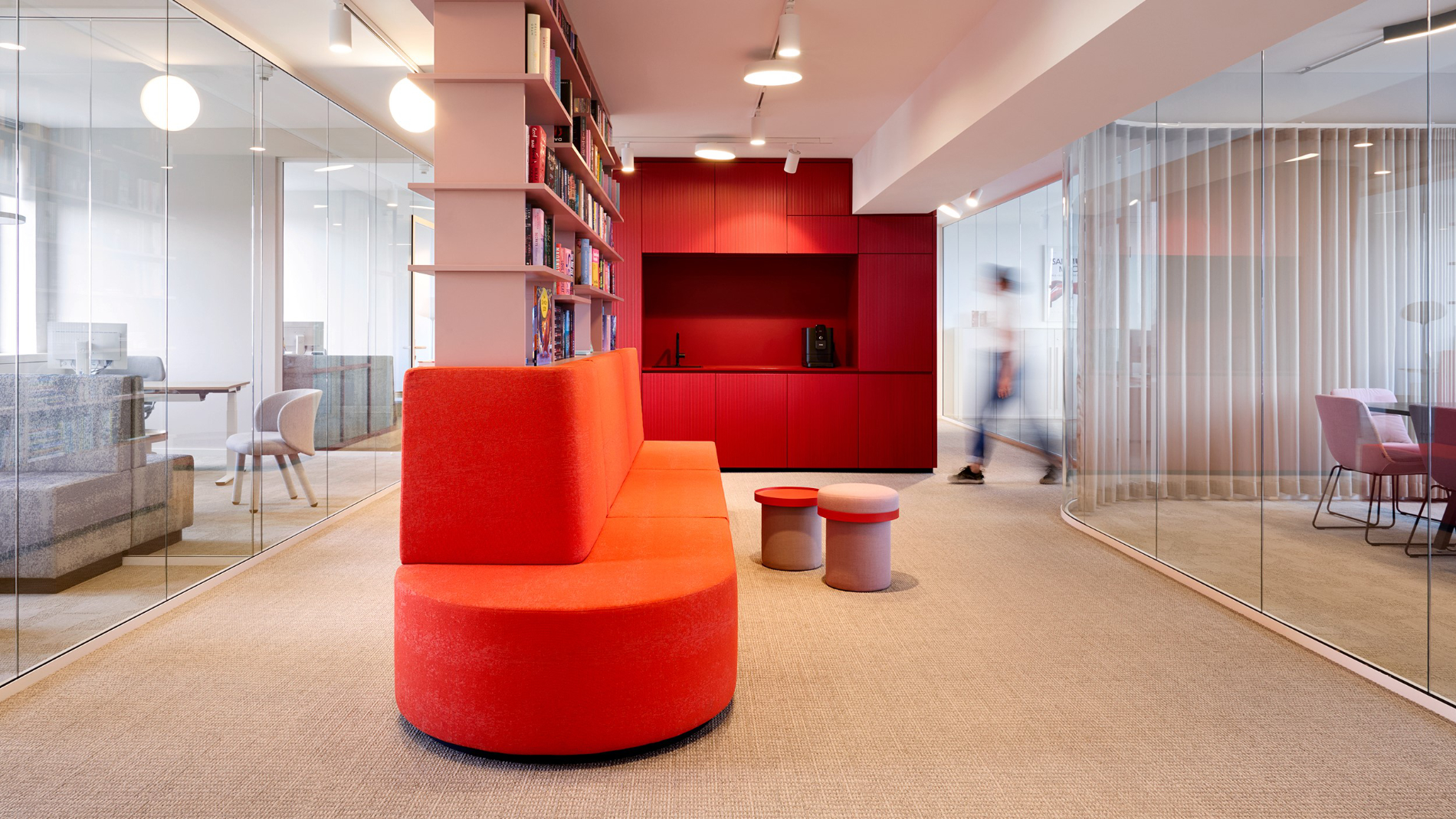
Cover photo: Bastei Lübbe AG, designed by brandherm + krumrey, Photo: Maike Piorr