
Reading time: 5 minutes
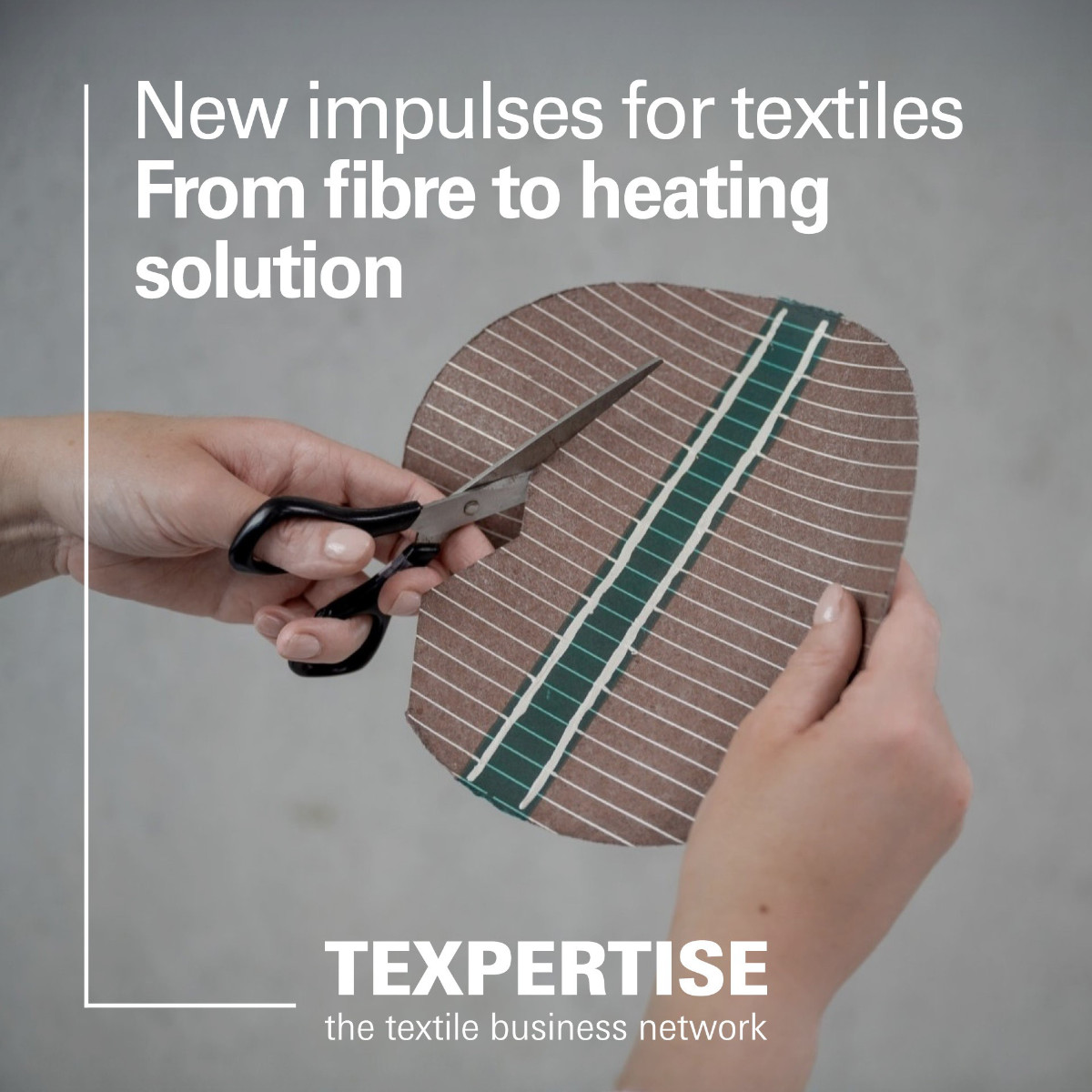
Based in Langenbach, a small town in the Franconian Forest region of northern Bavaria, Browa has developed two very different textile systems: a drainage textile for applications such as modern green roofs, and a heating textile for buildings, vehicles and industrial environments. Despite their differences, both innovations share the same foundation: practical thinking, decades of engineering experience and a deep understanding of how textile structures can solve real-world problems.
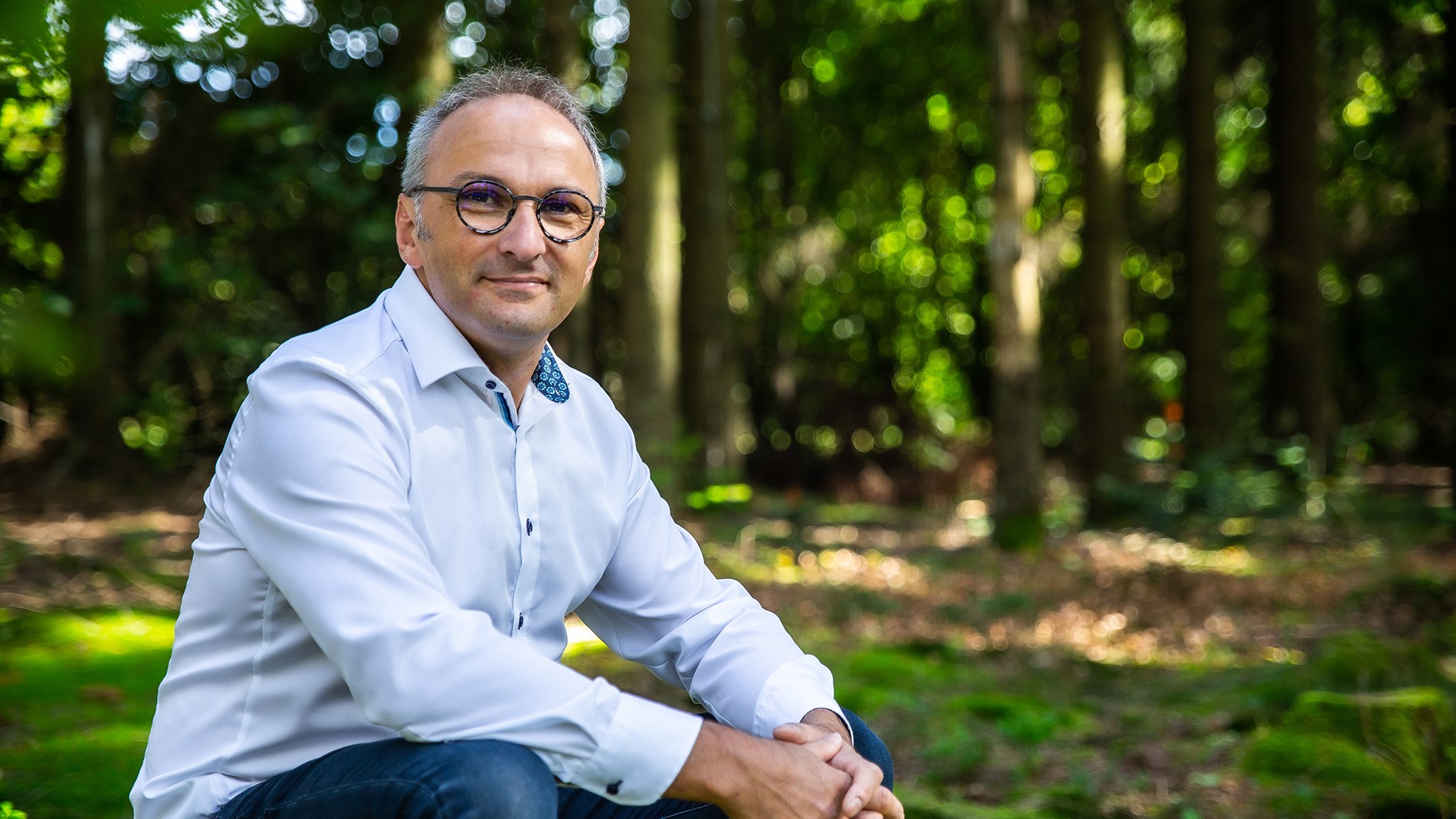
Browa’s background lies in the field of specialised textile machinery. He began his career at Liba Maschinenfabrik, a manufacturer of warp knitting and textile machinery, where he trained as an industrial mechanic, later qualified as a master craftsman and eventually rose to the position of division manager. One of the defining projects of that period was the introduction of textile production technologies for the BMW i3 and i8. “They were essentially textile cars,” Browa recalls. When the company changed ownership, he decided to strike out on his own.
The idea behind a drainage textile
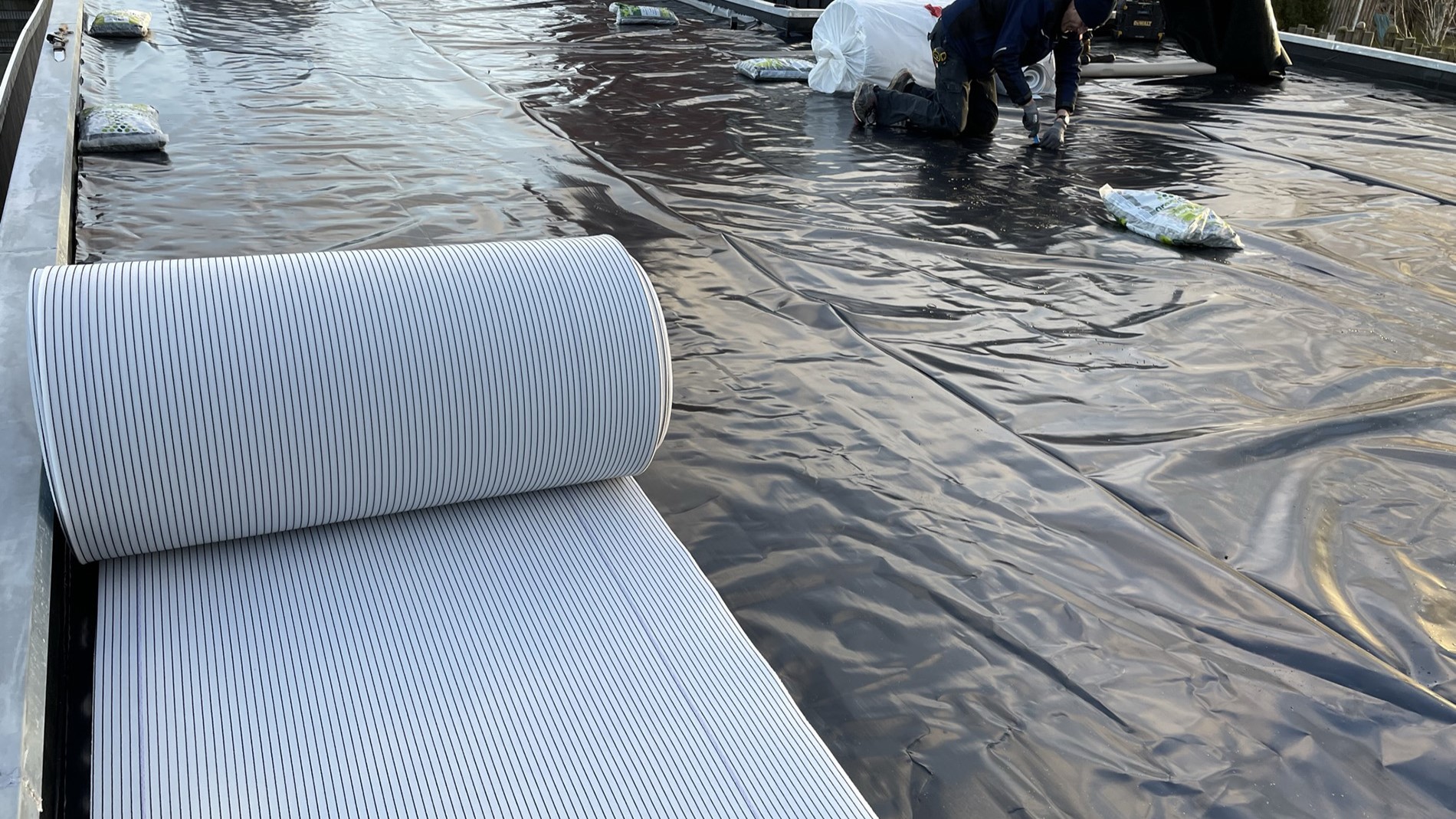
The starting point for Browa’s first innovation was far removed from major construction projects or international research partnerships. The idea emerged from practical experience, careful observation and his ability to rethink textile structures. He noticed how water became problematic in certain environments, such as paved surfaces and greenhouses. At the same time, he recognised the remarkable influence textile structures can have on water management. This eventually led to the development of a drainage textile that is now used in applications including green roofs.
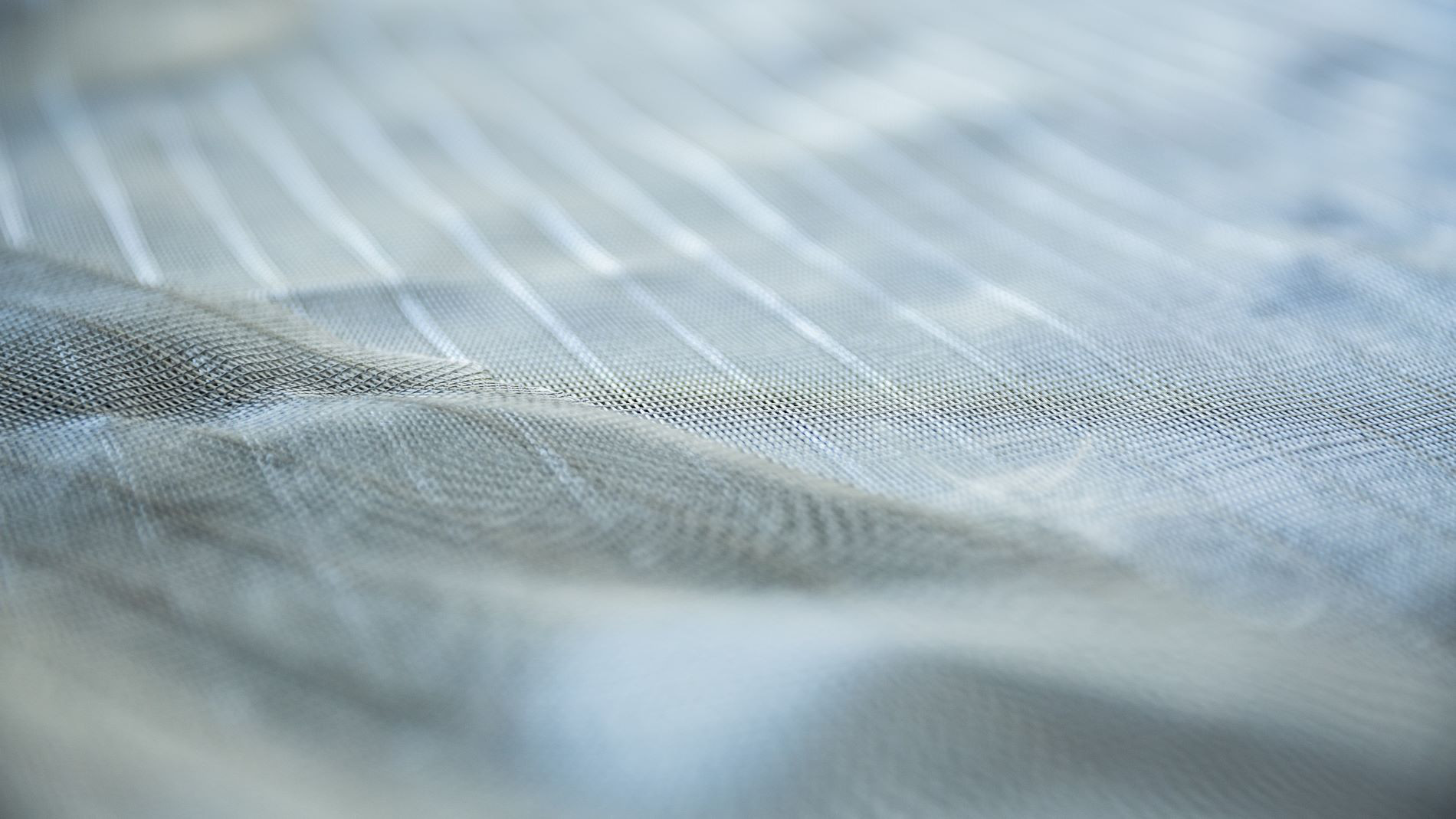
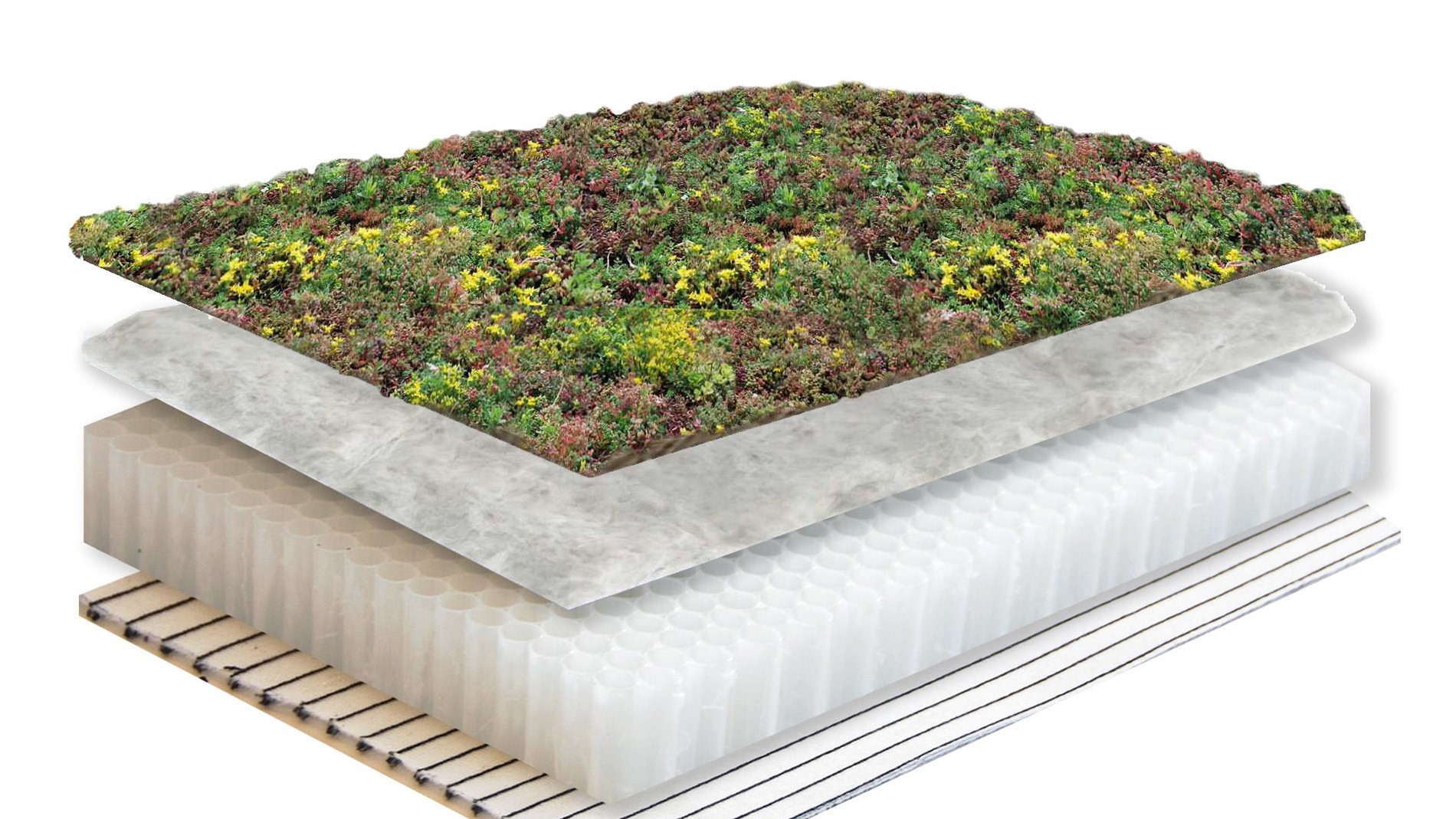
The principle is straightforward: polyester filaments transport water upwards through capillary action, while an integrated cavity promotes evaporation and delays runoff. The aim is to retain heavy rainfall in a controlled manner and release it gradually over time. This addresses one of the major challenges facing cities worldwide, as sewer systems are increasingly pushed to their limits by extreme weather events.
From Upper Franconia to the world
One thing becomes clear when listening to Mario Browa discuss his innovations: many of his ideas originate from direct observation and hands-on experience. He tends to think less in terms of polished presentations and more in terms of functions, materials and practical applications. Perhaps this is precisely why his solutions resonate across so many industries. Demand is now international, with enquiries arriving from China, Australia, Canada, South America and across Europe. Interest in the heating textile is particularly strong. “We sometimes receive several hundred enquiries a week,” Browa says.
Despite this growing attention, Browatech remains a relatively small company. For Browa, the greatest challenge today is ensuring that production capacity, financing and organisational growth keep pace with demand. He speaks openly about the pressures of recent years, including patent disputes, financial risks and the immense challenge of bringing new technologies successfully to market. Yet he remains pragmatic. “Finding customers is not the problem,” he says with a smile. The real task now is scaling up production and bringing the right partners on board.
To achieve this, Browatech works closely with craftsmen, building services specialists and industrial partners. The company does not install its systems itself; implementation is carried out through qualified partners and established networks. Browa prefers to focus on what he does best: developing textile solutions, understanding machinery and turning ideas into functional products.
This may well be Browatech’s greatest strength. Both the drainage textile and the heating textile demonstrate just how versatile textile technologies have become, extending far beyond clothing and traditional technical textiles. When speaking with Mario Browa, one does not encounter a polished start-up founder armed with fashionable buzzwords. Instead, he comes across as a textile machinery engineer whose ideas emerge from workshops, construction sites and practical applications. He studies samples, observes water, feels heat and transforms those observations into systems. His textiles may appear quiet. Their impact, however, could be anything but.