
Reading time: 3 minutes
Key messages
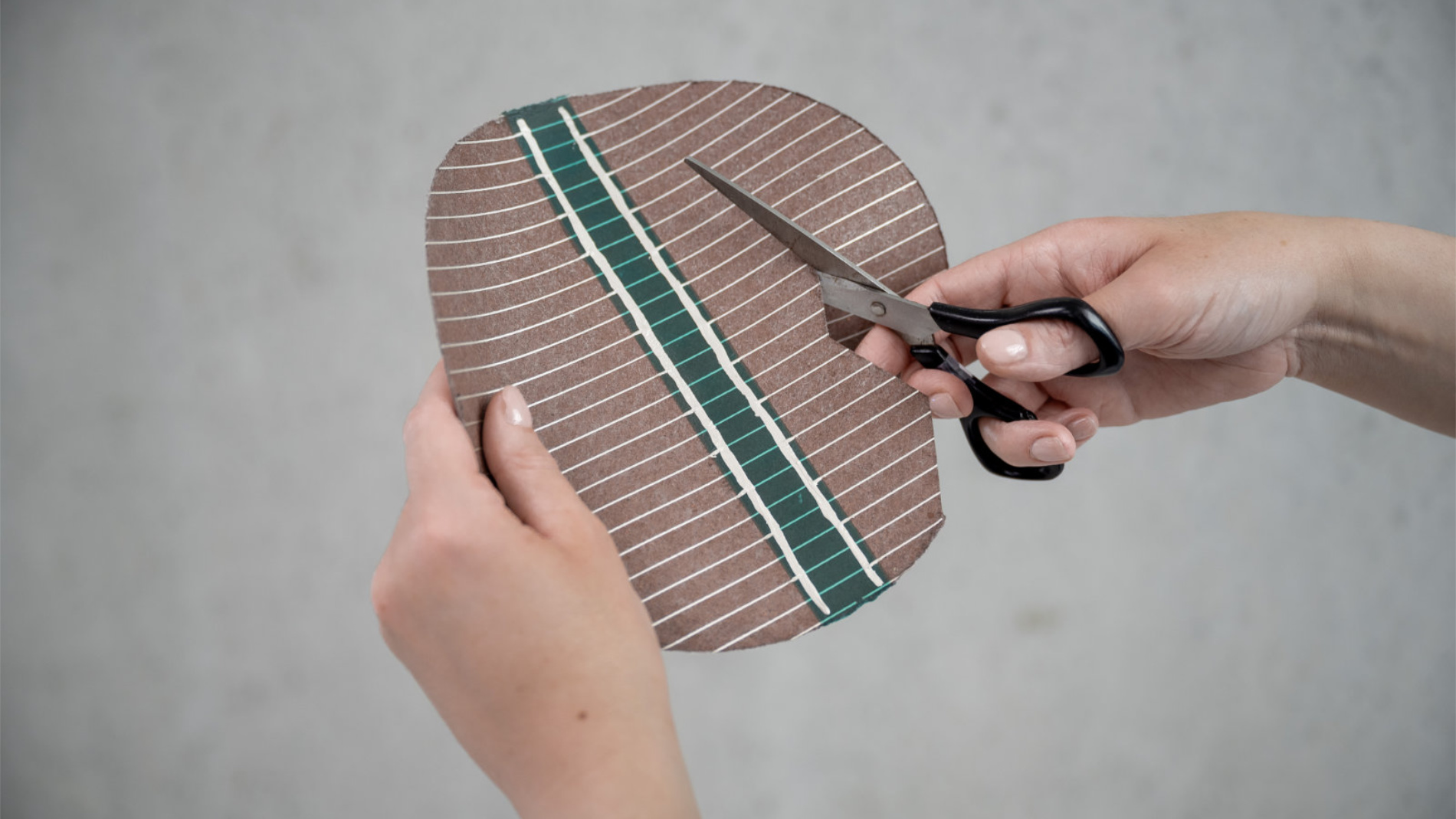
- Paper-based heating mat uses conductive cellulose-copper fibres
- Direct radiant heat instead of inefficient air heating
- Scalable through established paper manufacturing processes
- Thin, lightweight and flexible – new options for interior design
- Cost and industrialisation as key challenges
- Platform technology with potential far beyond automotive
Range versus comfort: a winter trade-off
It is a well-known dilemma in electric mobility: as temperatures drop, energy consumption in the vehicle rises – and range decreases. Conventional heating systems primarily heat the air inside the cabin. However, this is highly inefficient, as air is a very poor conductor of heat.
This is precisely where the topic becomes relevant for the textile and fibre industry. The question of how heat can be generated efficiently, in a targeted way and close to the material touches on core aspects of functional textiles – from heated surfaces to integrated comfort solutions.
Conclusion
qCella’s approach illustrates how material innovation can challenge existing system logics. Instead of optimising heating systems, their fundamental principle is rethought – using a material that, at first glance, hardly appears to be high-tech.