
Reading time: 1 minute
Nylon – synonymous with strength, elasticity and durability since the late 1930s – remains indispensable across sportswear, outdoor apparel and intimatewear. PA 6,6 continues to serve as the industry benchmark. However, the downside is significant:
More than seven million tonnes are produced each year within a US$22 billion global market largely reliant on petrochemical feedstocks, and the release of non-biodegradable microfibres.
The response is emerging from two directions: biobased and recycled polyamides.
Fulgar is setting new standards with Evo (a PA10 derived from castor oil) and Q-Geo (containing 46% renewable content sourced from industrial maize residues), delivering a 30% lower environmental impact according to LCA data alongside strong performance in moisture management and flame resistance. Indorama’s Enka® Nylon BIO (PA 4.10, 70% biobased) has been engineered as a drop-in solution for PA 6,6, offering high tensile strength. Cathay Biotech’s sugar-based TERRYL (45–100% biogenic carbon content) stands out for low-temperature dyeability and a soft hand feel. Envalior’s EcoPaXX (PA410) combines C4 and C10 building blocks to achieve high mechanical performance with reduced moisture uptake and is already being utilised by outdoor brands such as Vaude.
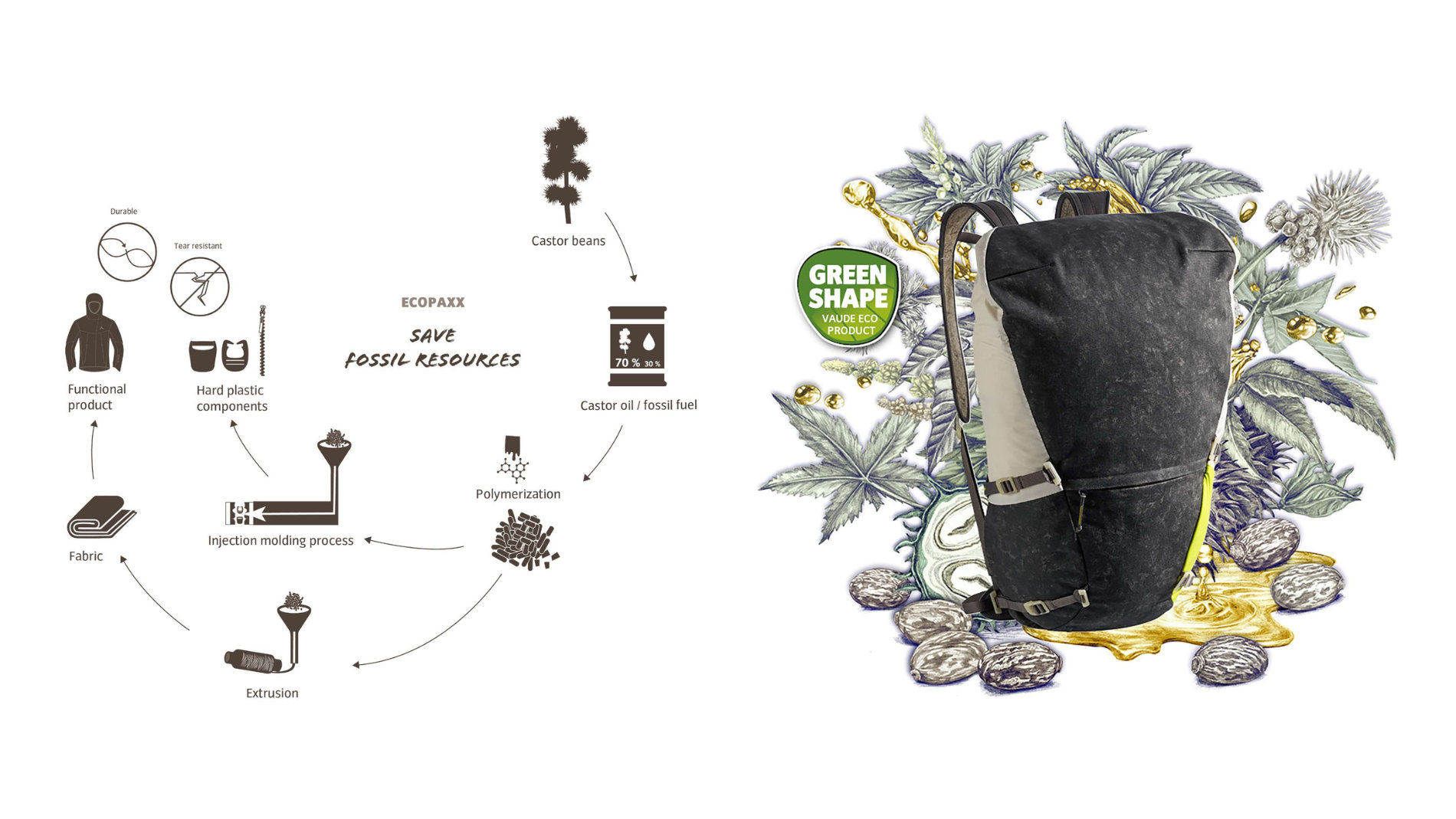
Developments in recycling

At the same time, recycling technologies are reshaping the market: Syntetica is enabling selective depolymerisation of nylon, Samsara Eco and Lululemon have introduced enzymatically recycled PA 6,6 into commercial products, and Protein Evolution is planning industrial-scale enzyme-based recycling facilities.
In conclusion, biobased feedstocks, closed-loop systems and strong cross-industry partnerships are driving the transition towards a circular future for nylon – without compromising on performance.
Author: Lorenzo Costanzo, WTiN