
Reading time: 3 minutes
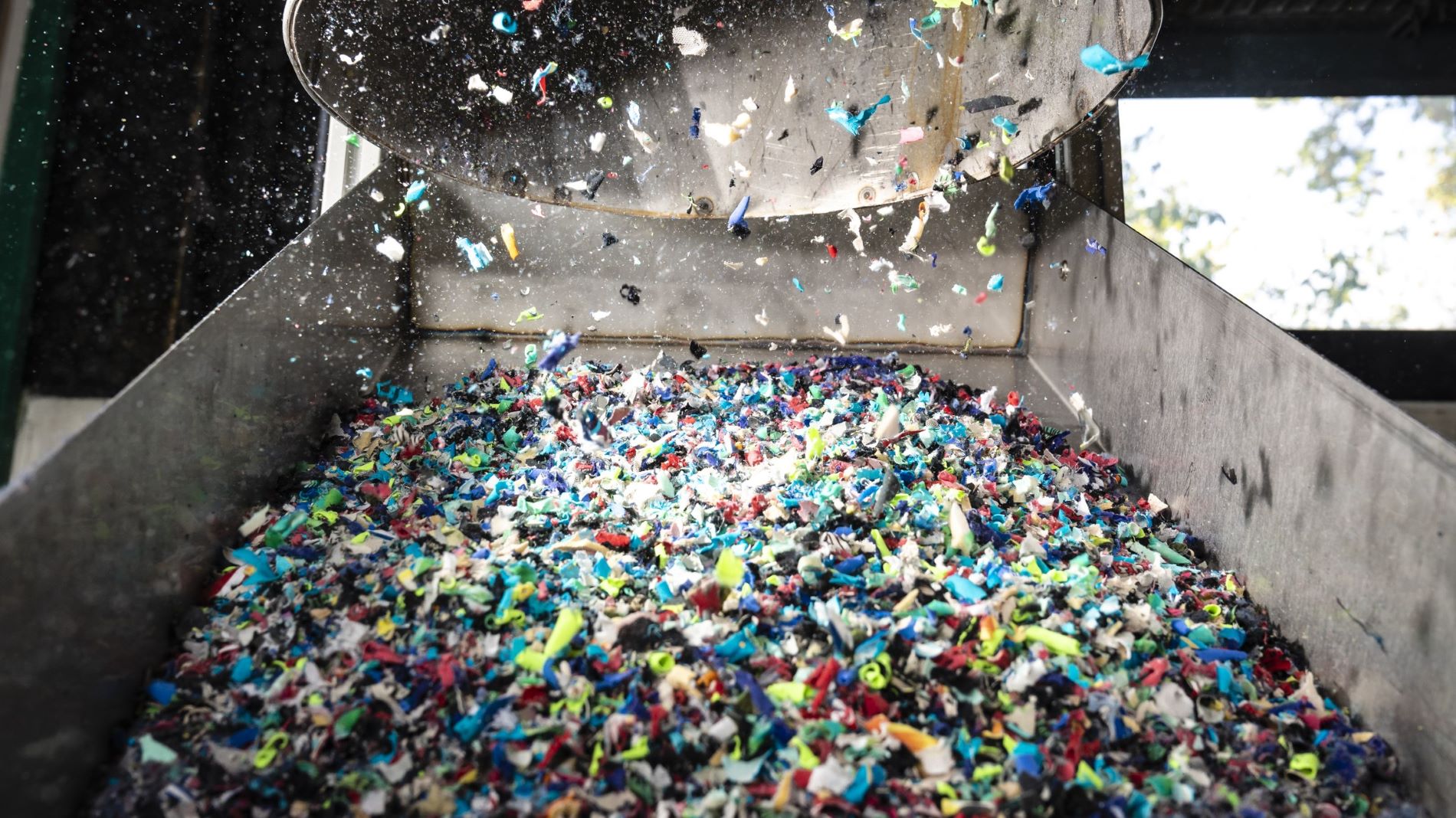
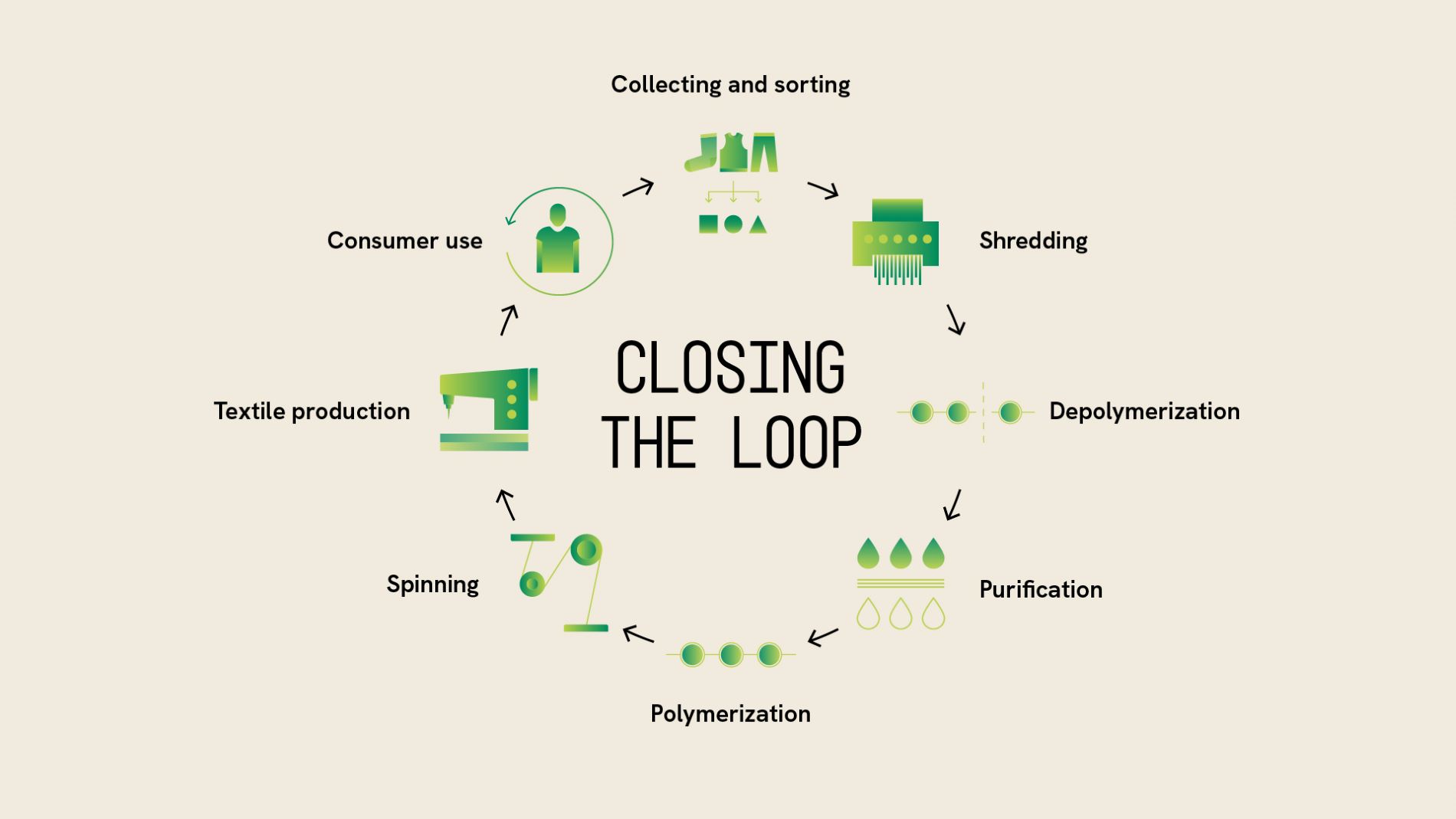
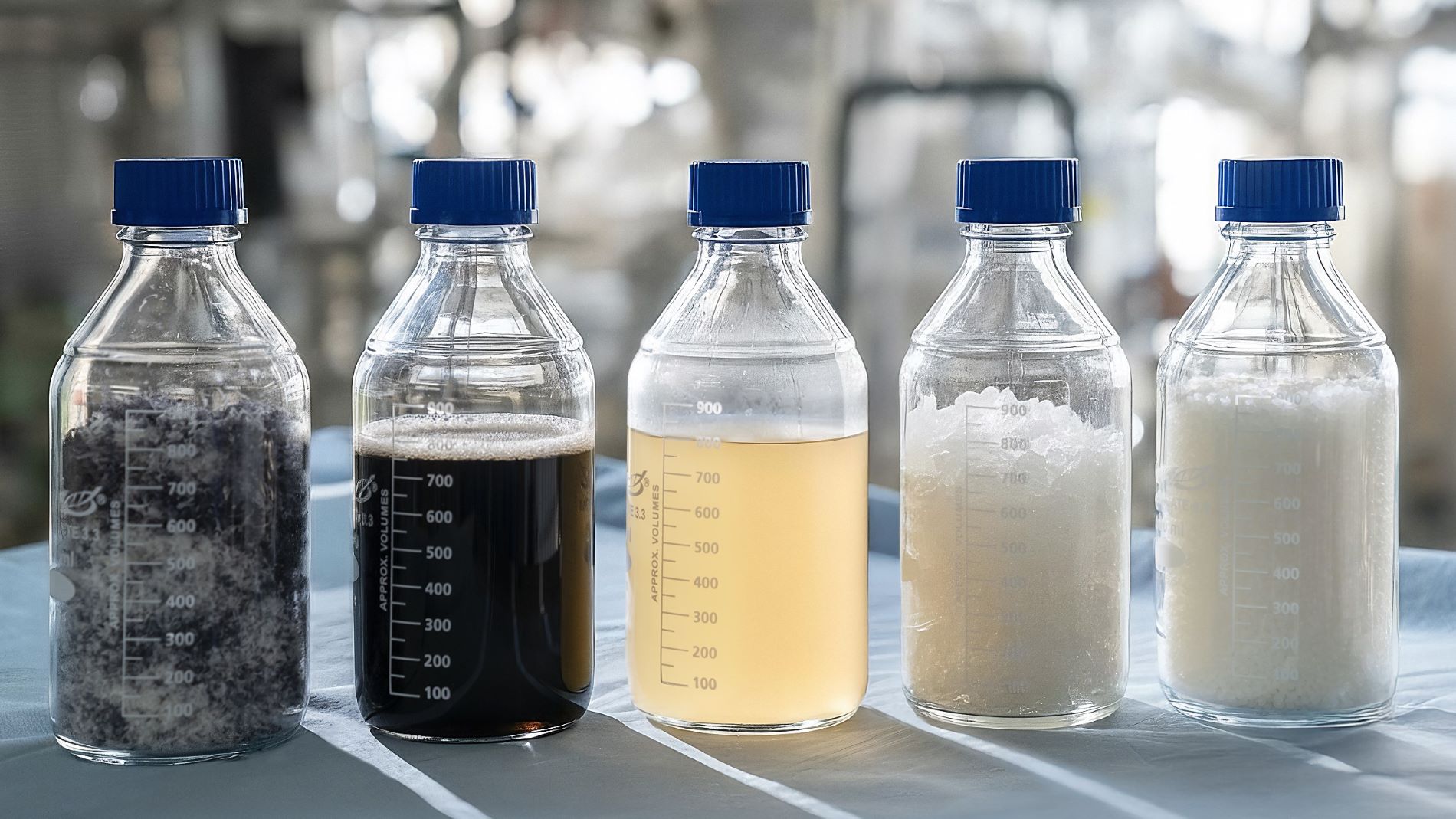
The textile industry is under increasing pressure to conserve resources and reduce waste volumes drastically. Against this backdrop, the loopamid® plant in Shanghai, which has an annual capacity of 500 tonnes, is seen as a success story in the expansion of resource-efficient production. This is the first industrial-scale textile-to-textile recycling process for polyamide 6: the new material is produced exclusively from textile waste, primarily industrial residues such as cutting scraps, miscuts and rejects from later stages of textile production. Used clothing containing polyamide 6 is also utilised in the process, despite the fact that the sorting and processing of mixed materials, dyes and incorporated accessories is particularly complex. The loopamid® team explains: “Waste from old clothes is difficult to recycle as it contains various non-PA6 materials and dyes.” This is precisely why the technology has been developed to reliably process even heterogeneous and contaminated waste.
However, one of the biggest challenges remains providing suitable waste streams. Currently, there are no collection and sorting systems anywhere in the world that are large enough or specific enough to capture textiles containing polyamide 6. At present, industrial textile scraps are the main source of material available, while used clothing can only be gradually incorporated. The loopamid® team clearly describes this bottleneck: 'Waste collection and sorting – our raw material – has not yet been scaled up.' Technological solutions such as mobile NIR spectroscopy from trinamiX, a BASF subsidiary, can help with this. They can reliably identify textile fibres and are already helping to classify waste streams for loopamid® more precisely.
The recycling process is designed so that polyamide 6 can be recycled multiple times without any loss of quality. This distinguishes loopamid® from traditional downcycling pathways, where materials are only converted into lower-quality products once. The team summarises this advantage as follows: “The technology behind loopamid® takes a circular approach, enabling endless recycling loops without any loss of quality.” The recycled polyamide has the same properties as conventional PA6 and can be integrated into existing manufacturing processes without the need for technical adjustments: "The properties are identical; there is no difference to that of conventionally produced polyamide 6."
The first market-ready products demonstrate the versatility of loopamid®. Zara has launched a jacket made entirely from loopamid®, including the buttons, zip and padding, providing a consistent example of design for recycling. The team emphasises: 'loopamid® realises its full potential when garments are designed to be easily recyclable.' Adidas also adopted the material early on and, as part of the T-REX project, unveiled a tracksuit made entirely from loopamid®. In collaboration with Fulgar and Pompea, they also developed a T-shirt, showcasing the material's suitability for high-quality everyday clothing. The range of applications is wide: “Anyone who can use polyamide 6 can also use loopamid®.”

The commissioning of the first commercial plant clearly demonstrates that high-quality, textile-to-textile recycling of polyamide is a practical reality, not just a vision. Further development will depend on how quickly sorting and collection systems are rolled out worldwide, and on how consistently the fashion industry commits to recyclable designs. As the team puts it: 'Together with our partners, we are working to solve the problem of textile waste.' loopamid® demonstrates what a closed-loop fabric cycle for synthetic fibres could look like: technically sophisticated, high-quality, and ready for market today.