
Reading time: 3 minutes
Mechanical recycling is scaling but quickly reaches qualitative limits. Chemical recycling promises genuine circularity, yet continues to struggle with profitability and infrastructure. Between the two, a new competitive landscape is currently emerging for denim manufacturers, recyclers and brands.
Three approaches, three system logics
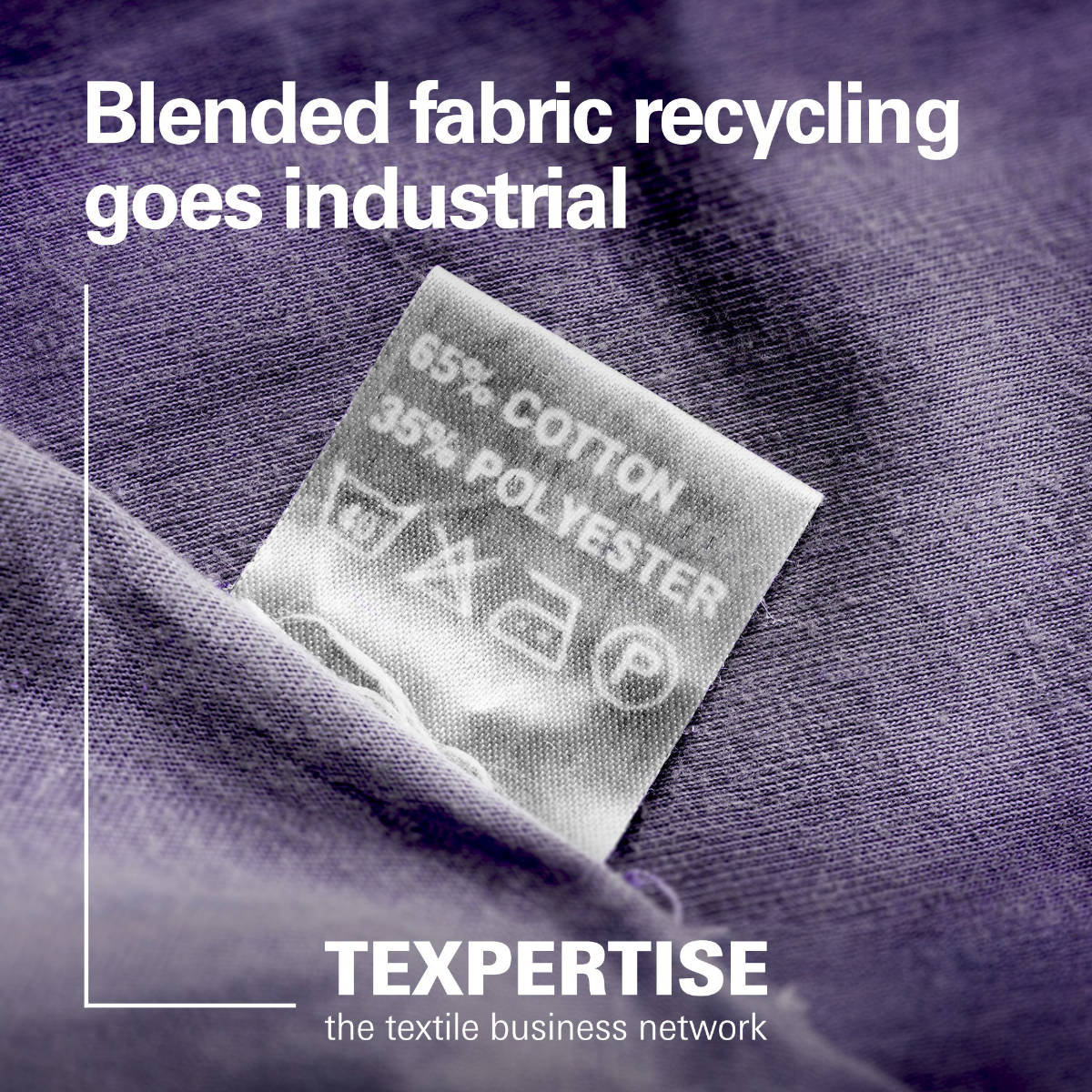
Mechanical recycling is the established standard. Recovered denim fibres are mechanically separated, cleaned and processed into new yarns – without the use of chemicals and with comparatively low energy consumption. The structural disadvantage lies in the physical process itself: each recycling cycle shortens the fibre length. The result is a material with reduced tensile strength that can generally only be incorporated into new fabrics at a share of 20 to 30 per cent.1 The remainder must be compensated for by primary fibres. Mechanically recycled denim fibres therefore require the addition of non-recycled cotton to ensure sufficient material strength. For companies communicating closed-loop ambitions, this is a significant limitation: mechanical recycling is downcycling with ambition, not a true fibre-to-fibre system.
Relevance for sourcing and sustainability decisions
Companies currently making material decisions in the denim sector are operating within a technological transition phase. Mechanical recycling is available and scalable but limited in terms of circular depth. Chemical recycling offers greater potential, yet has not reached stable industrial maturity on a broad scale. Hybrid approaches are functional, but complex in terms of supply chain documentation.
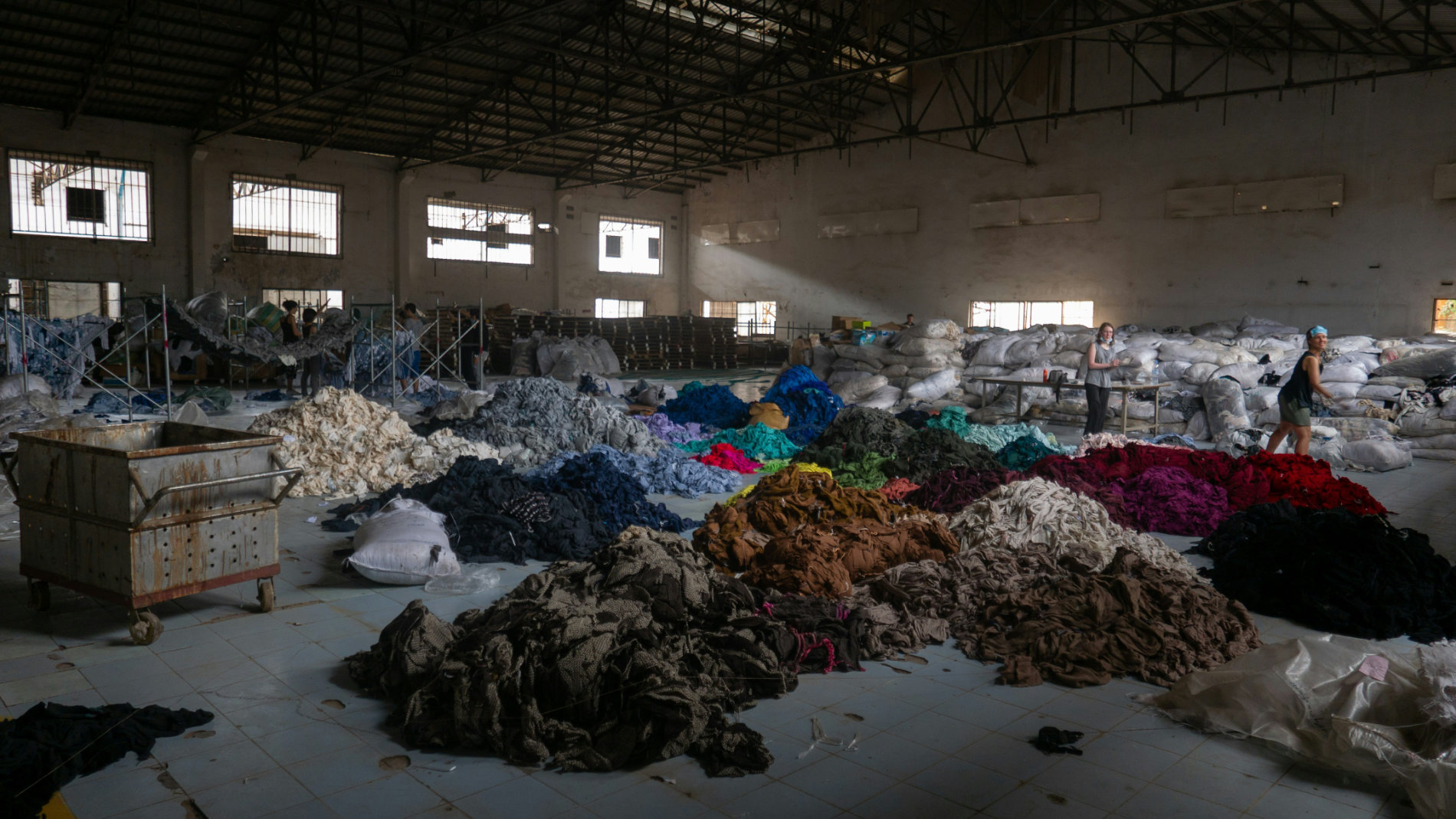
The regulatory framework is also becoming increasingly relevant. Since the beginning of 2025, the EU has made the separate collection of textile waste mandatory. This measure is expected to significantly increase the volume of feedstock available for recycling facilities, structurally changing the input side of chemical recycling processes. Companies that establish supplier relationships with recycling technology providers today are positioning themselves for a market environment in which material traceability and circular quality are increasingly becoming part of compliance requirements.
The key questions, therefore, are these: which technology can realistically be integrated into a company’s own supply chain? And which partnerships need to be established now to make that possible?

1 Characterisation of Fibre Mechanical Recycled Cotton Denim Fibres and the Effects of Their Properties on Yarns and Knits: https://www.mdpi.com/2313-4321/10/5/177
2 Fashion for good: https://www.fashionforgood.com/our_news/journey-to-scale-infinited-fiber-company/
3 Textile recycling tries to gain a second wind: https://cen.acs.org/articles/104/web/2026/04/Textile-recycling-tries-gain-second.html
4 Mud Jeans 100% Post-Consumer Recycled Cotton Jeans: https://wwd.com/sourcing-journal/sj-denim/mud-jeans-post-consumer-100-percent-recycled-cotton-jeans-dion-vijgeboom-1238797313/
Cover photo: Photo by TuanAnh Blue on Unsplash