
Reading time: 2 minutes
The ‘Hong Kong Research Institute of Textiles and Apparel’ (HKRITA) has signed a Memorandum of Understanding (MoU) with Jeanologia, a Spanish finishing technology company, and a US textile-to-textile recycling specialist Looptworks to establish a new machine.
The process uses hydrothermal treatment and a solvent-based process to recycle blended cotton and polyester fabrics. Water, heat and chemicals are used to break down the cotton into cellulose powder, while the polyester fibres are separated.
The latest version recovers polyester at 98% or higher purity, suitable for staple and filament spinning. Cotton-derived powder can be used for re-spinning and as a water-retention agent in agriculture.
“This breakthrough maintains fibre quality and reduces waste.”
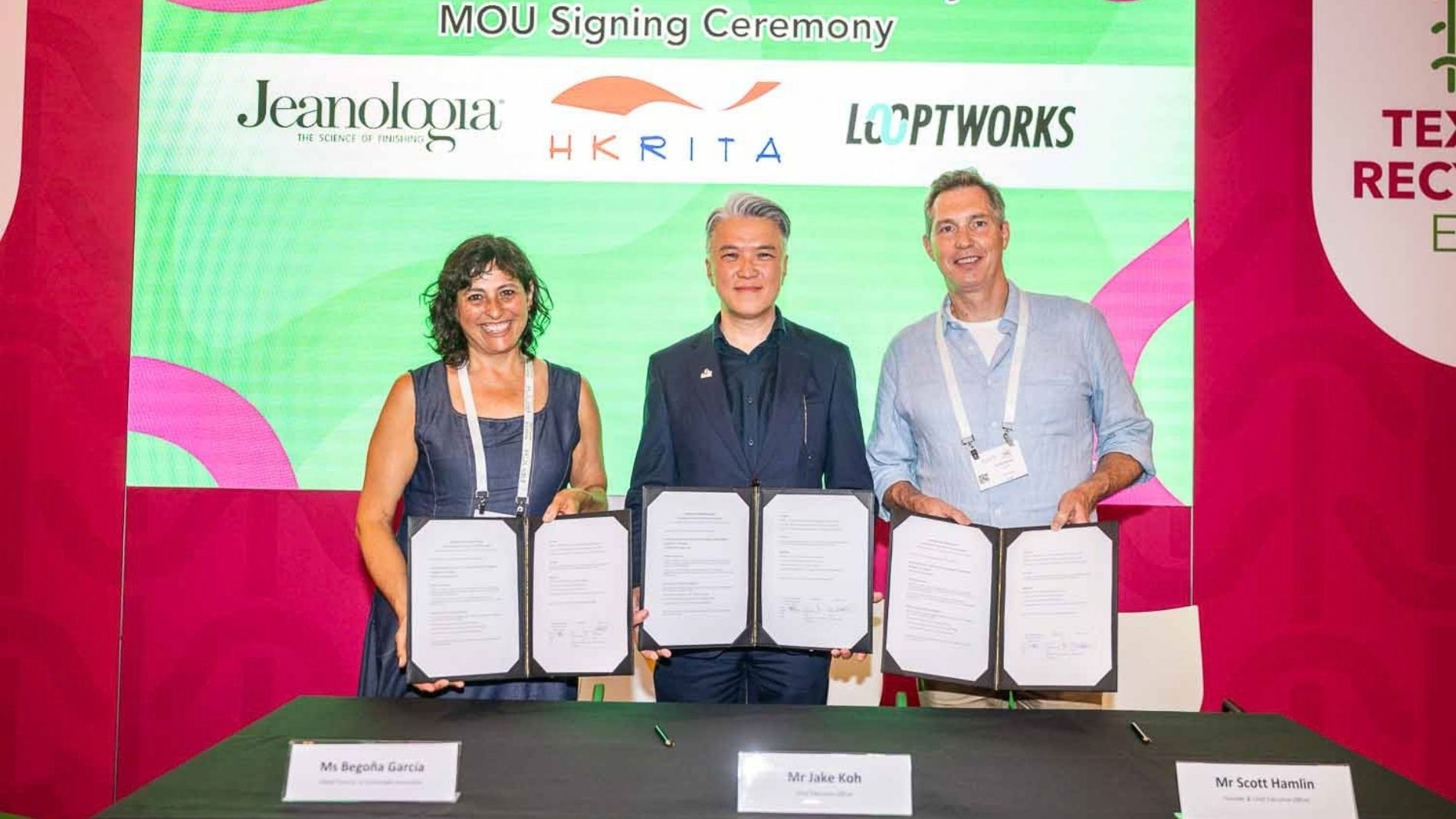
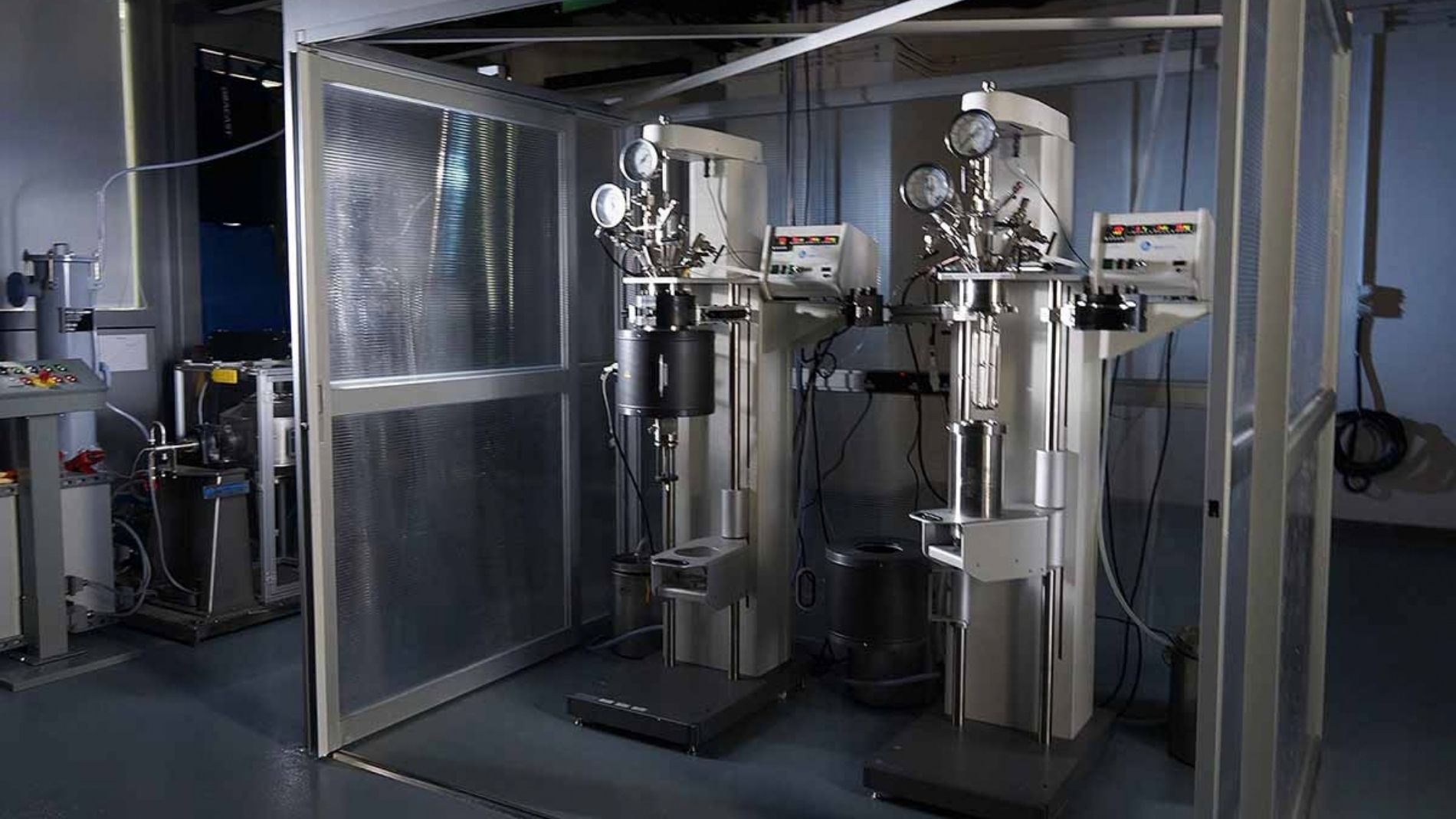
Under the MoU, Jeanologia becomes the first official machinery partner and will supply industrial machinery designed to European standards and compliant with CE high-pressure requirements. Looptworks will support industrial adoption by incorporating recovered materials into recycling operations and converting pre- and post-consumer textile waste into GRS-certified recycled fibres.
H&M’s Monki used materials made from the technology in its collections, while ISKO acquired a licensing agreement. PT Kahatex operates the first industrial-scale system, with a processing capacity of 1.5 tonnes per day.
Risk of adoption
European standards and CE high-pressure requirements can make adoption challenging for facilities without advanced infrastructure. Other risks include infrastructure costs, the price point of recycled textiles, compatibility with legislation such as Digital Product Passports and the Ecodesign for Sustainable Products Regulation, competition among innovators, uncertain off-take agreements, limited pilot collections, unstable demand and inconsistent feedstocks.
Conclusion
Koh says: “Achieving circularity requires collaboration across stakeholders to close the loop effectively.” The partnership with Jeanologia and Looptworks aims to demonstrate industrial-scale fibre recovery and circularity and build a commercial-scale machine system.
Content by Abigail Turner, WTiN