
Reading time: 2 minutes
A graduate of the Master's program in Textile Design at the Swedish School of Textiles, University of Borås, Rosa Lützen is investigating a material with considerable potential: paper yarn. In Unfolding Paper, she explores how its structure provides dimensional stability and enables three-dimensional forms. In subsequent designs, she combines paper yarn with natural fibers such as wool, transferring the properties of these materials into new textile qualities.
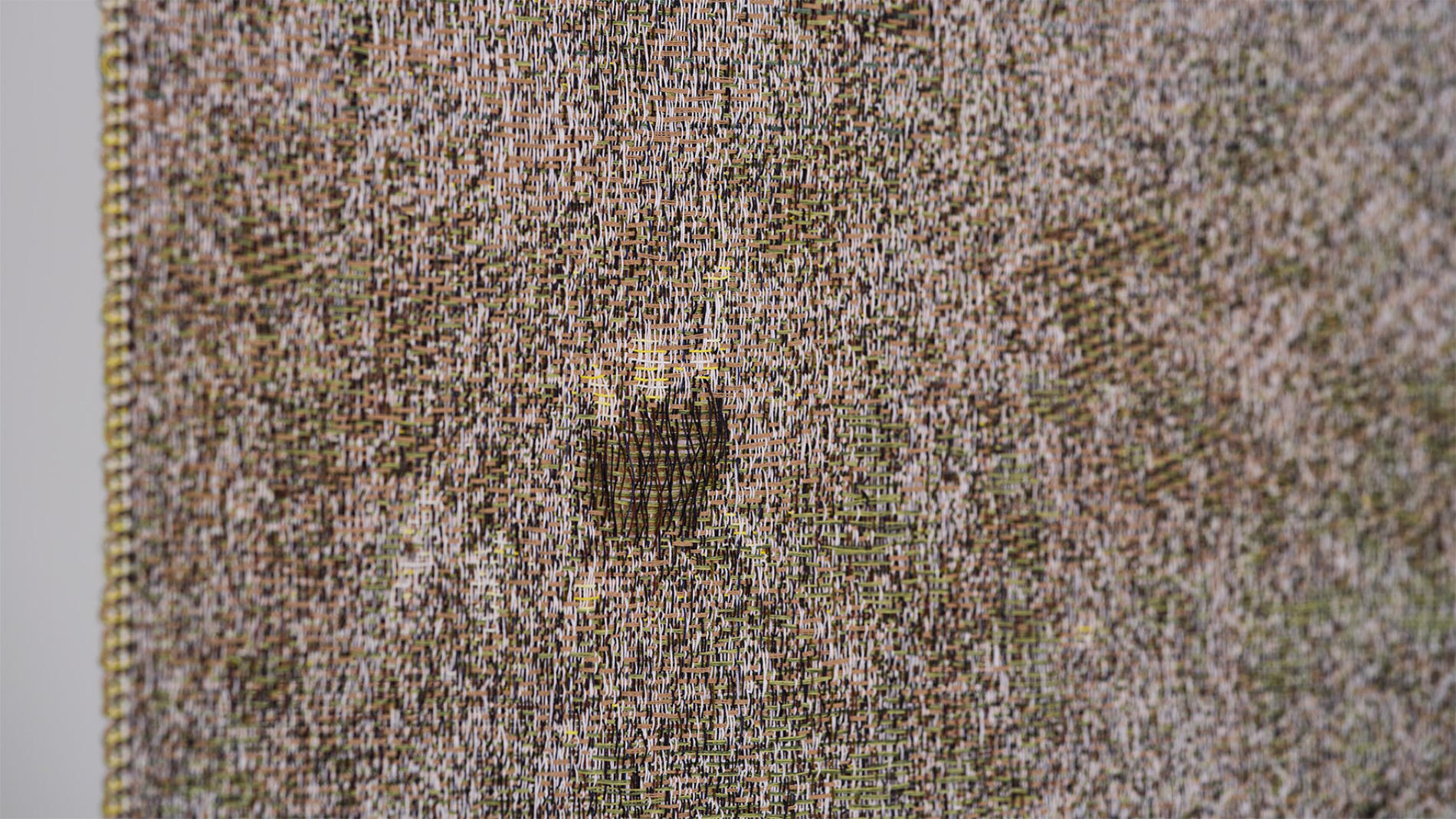
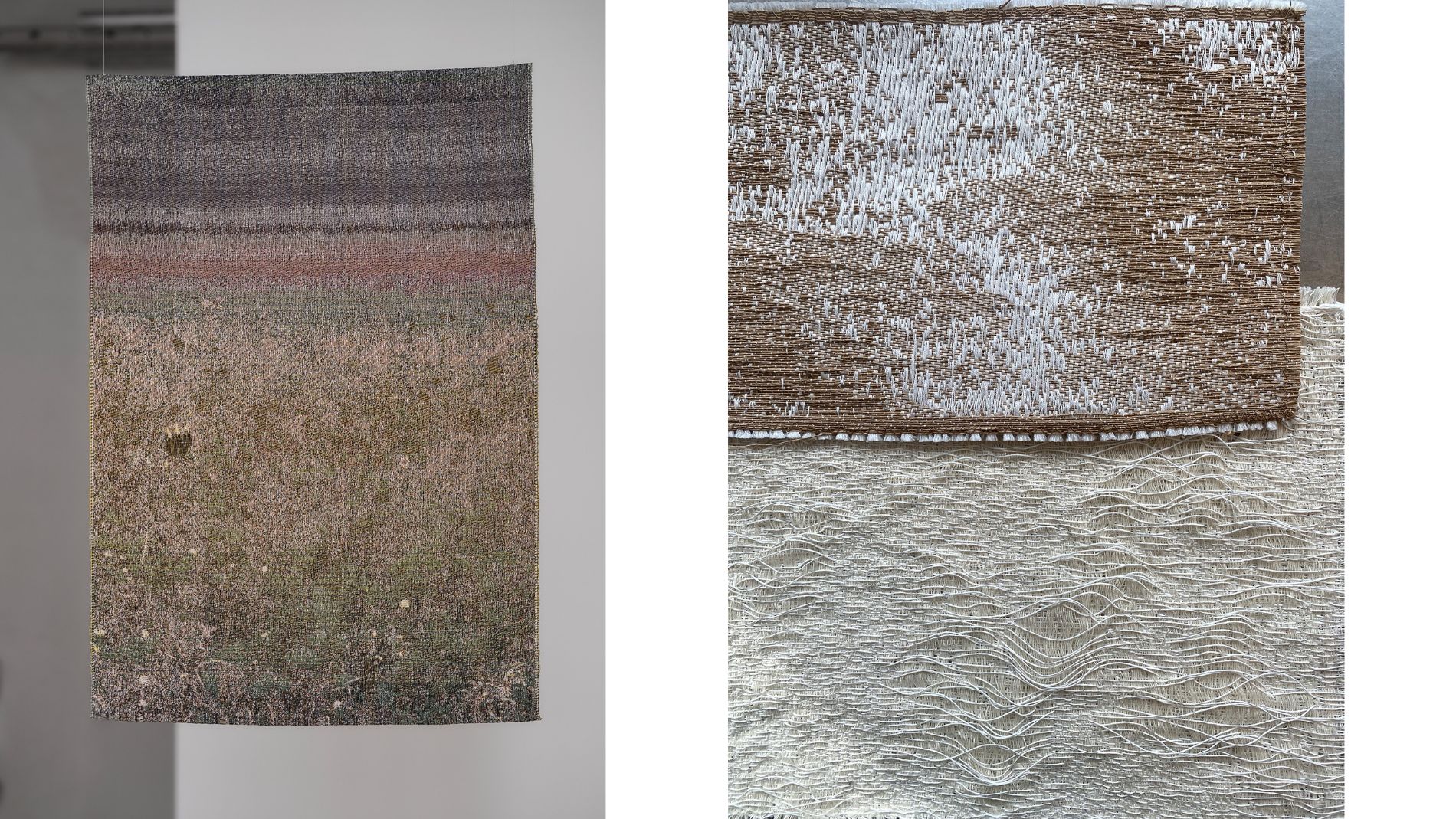
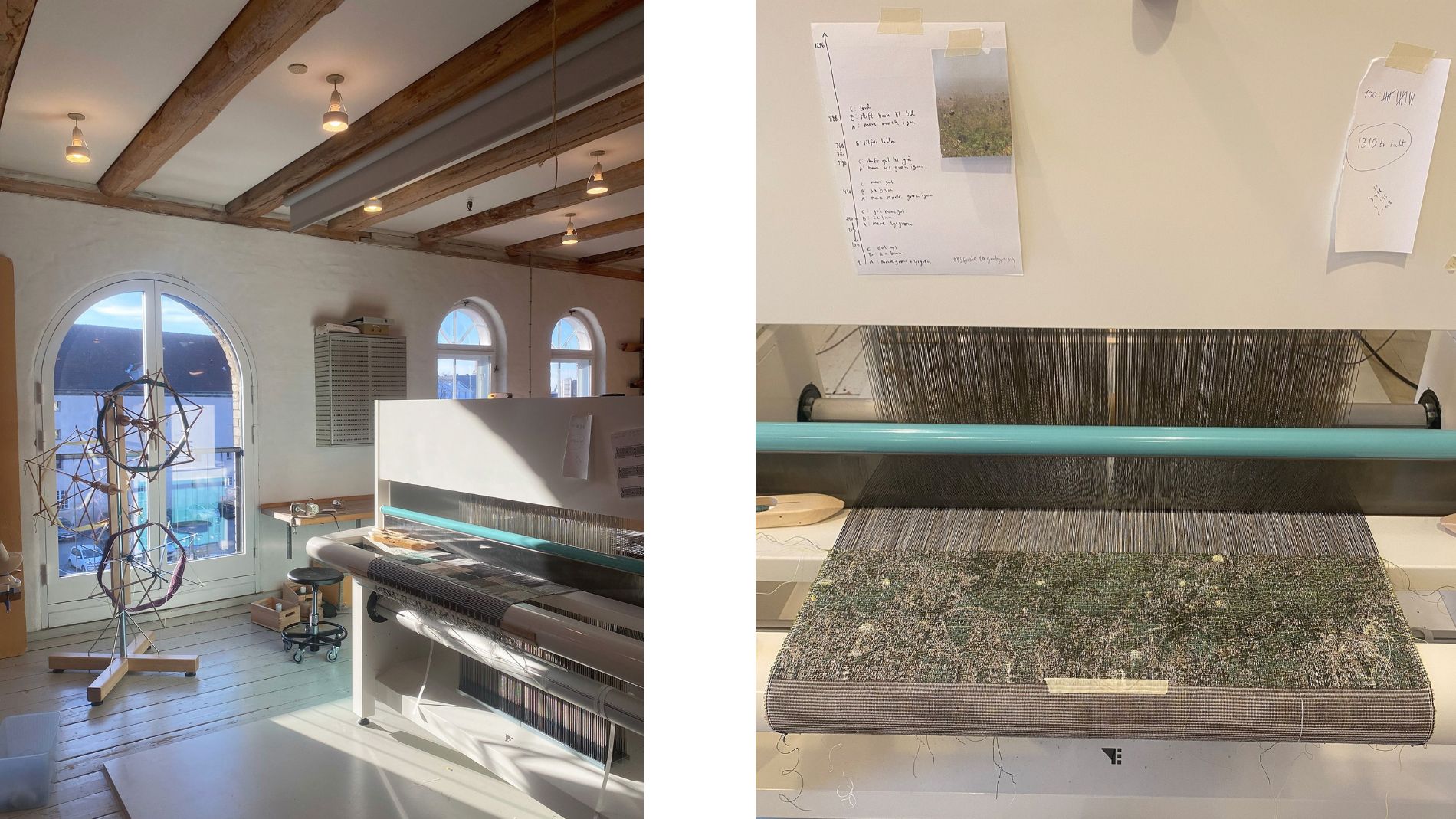
For the project Woven Paper Landscapes, she transformed her own landscape photographs into woven textiles using a digital Jacquard loom, converting each image pixel into a thread. The result is an experiment that balances the rigid rules of weaving with a free, painterly impression of color. According to Lützen, a central question was how yarn colors can be blended and interact with one another.
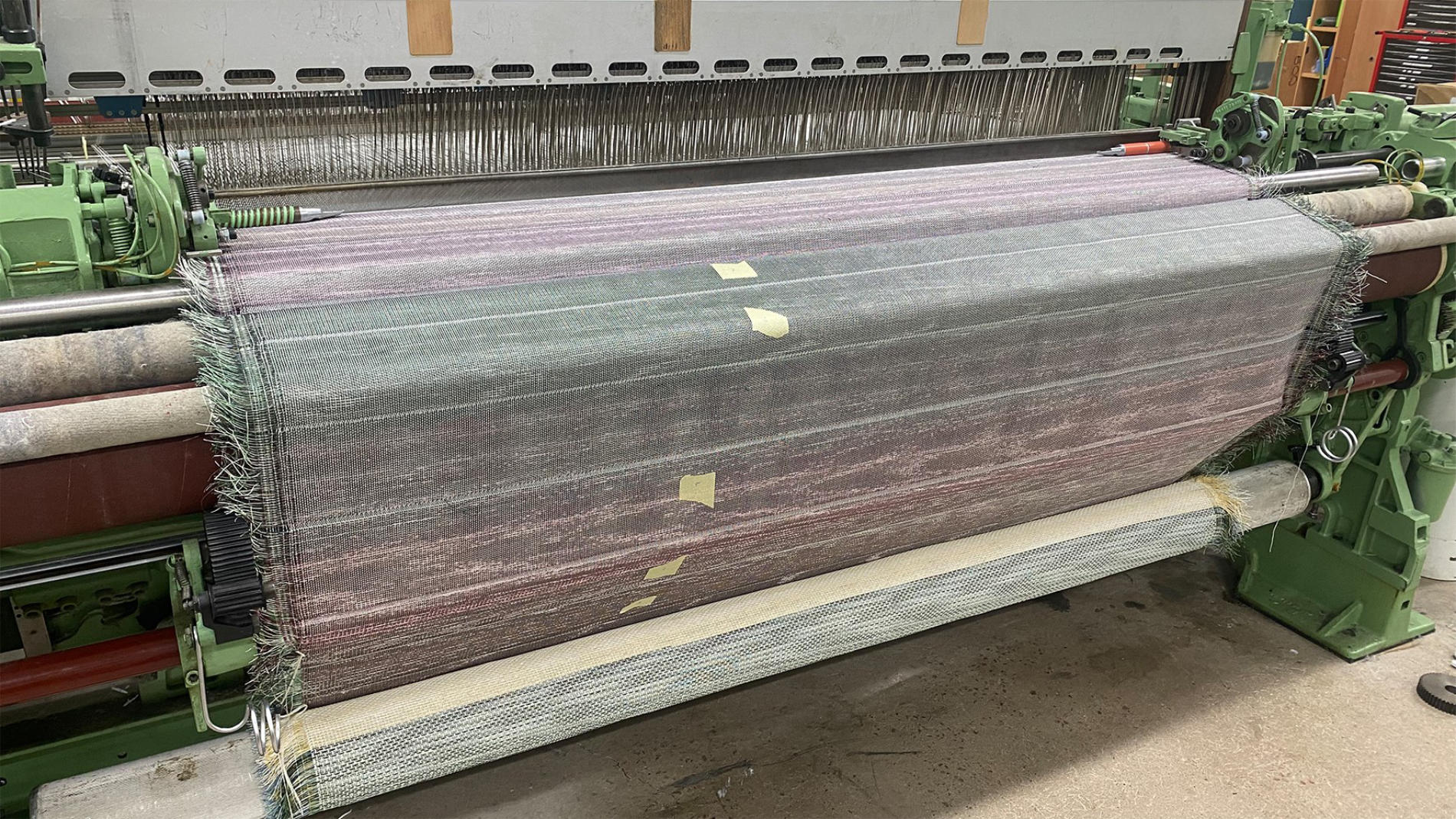
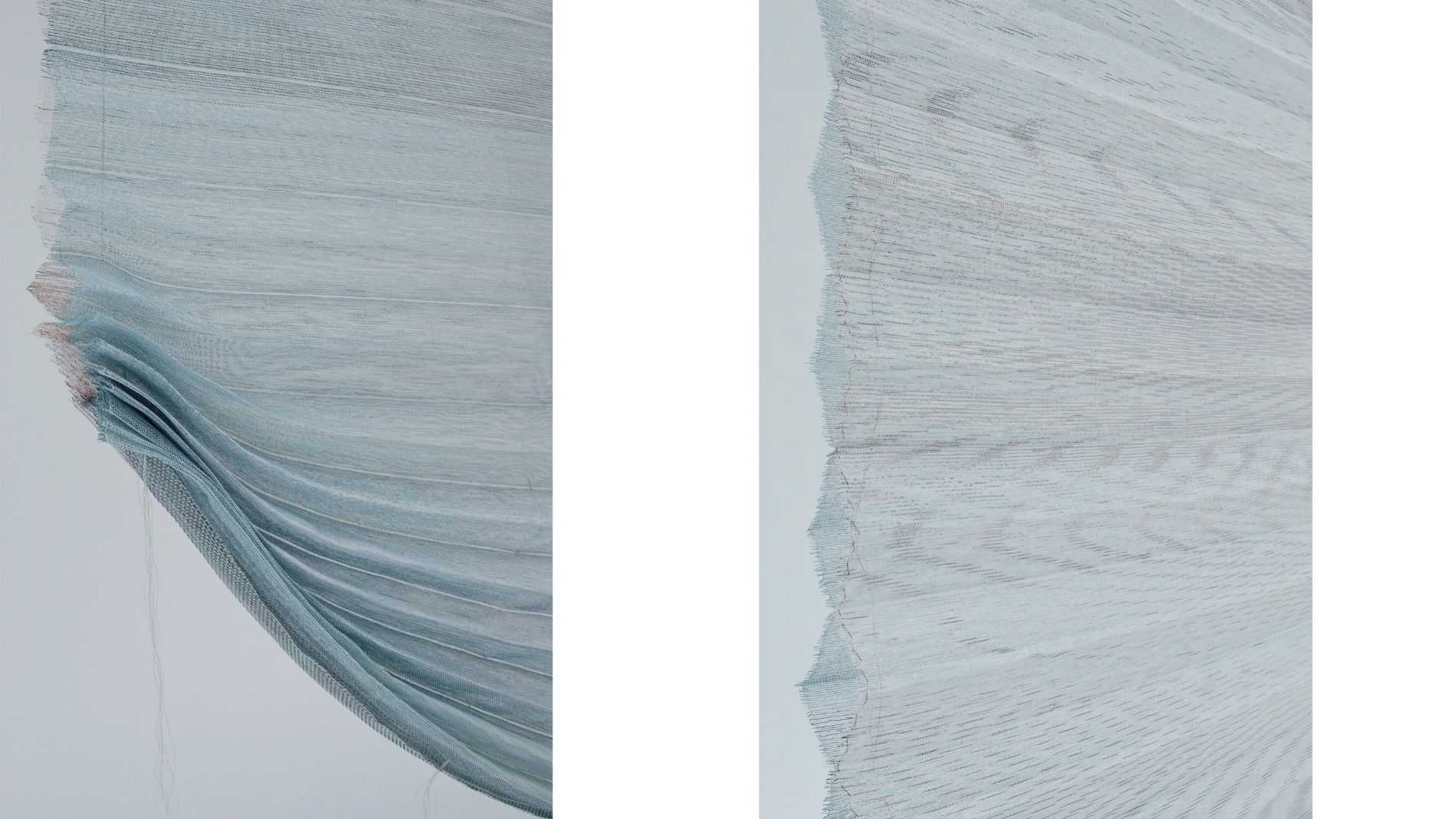
The designer also seeks connections and innovations in the production process itself. She weaves an open paper-yarn structure on an industrial shaft loom. The double-layered fabric forms a tubular sequence that is subsequently pleated. Although transparent and feather-light, the material possesses a natural rigidity that preserves the precision of the folds. The textile she designs can therefore be opened and closed without losing its sculptural effect. For interior applications, she sees the material as a flexible design element: “A curtain can be used in many different ways,” she says. Transparent textiles made from paper yarn, for example, can function as subtle room dividers, creating flexible transitions between different spaces.
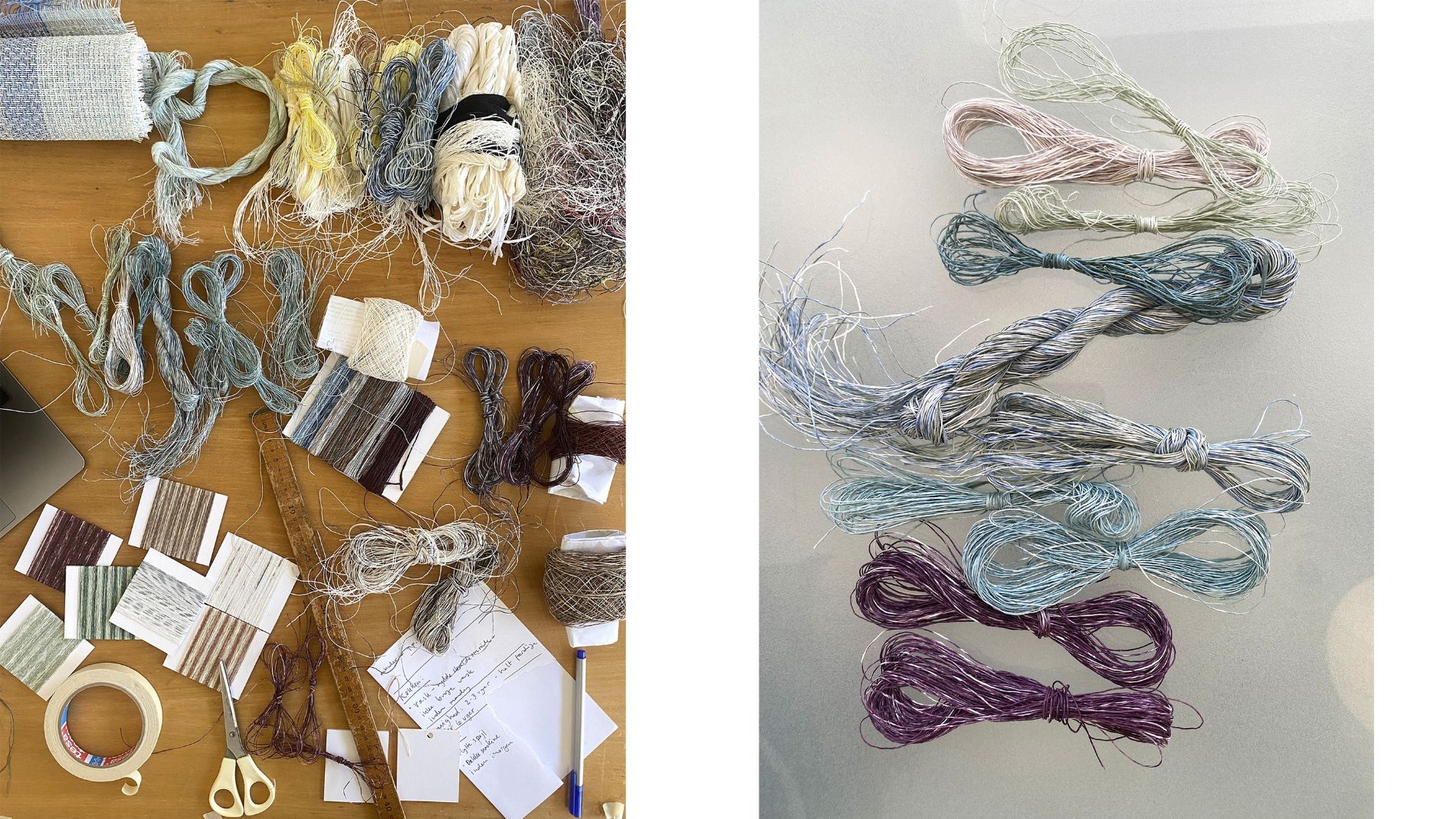
In detail, paper yarn is produced from cellulose pulp, which is processed into sheets of paper, cut into narrow strips, and then twisted into yarn. According to Lützen, the industrial manufacturing technique is inspired by traditional handmade Japanese paper yarn and was used more extensively during the World Wars, when cotton was only available in limited quantities. She produces each layer of fabric in a different color, creating intriguing overlapping compositions. Depending on the viewing angle, the intensity and perception of the colors change.
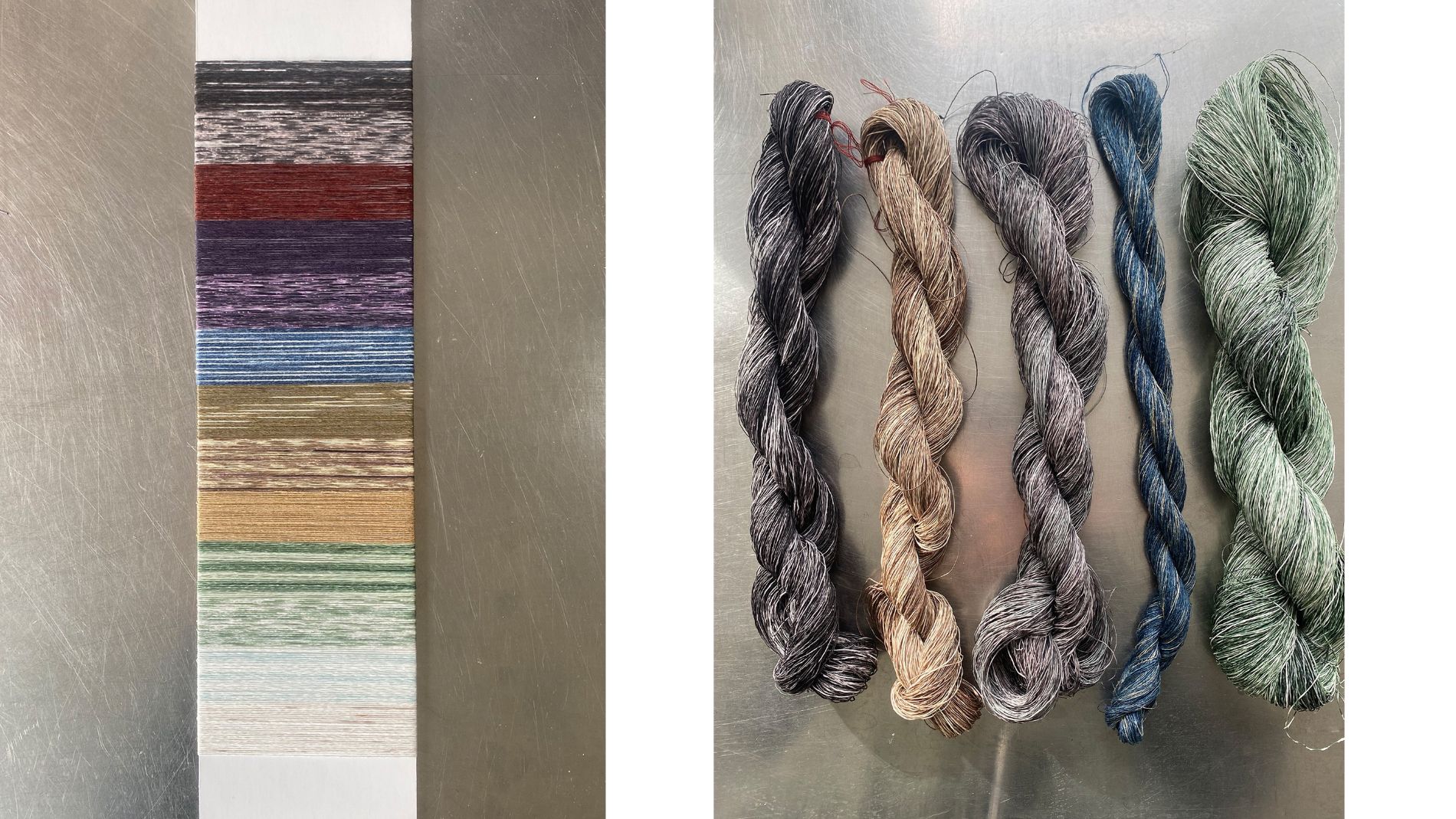
For dyeing the yarn, Lützen drew inspiration from the Japanese Shibori technique, in which areas of the textile are deliberately left undyed through folding, wrapping, and binding methods to create unique patterns. The resulting irregular structures add further depth and richness to the surface.
With her creative approach, Rosa Lützen combines material research, weaving technology, and spatial thinking. She aims to strengthen awareness of textile production processes and help reestablish textile manufacturing more firmly within Europe. Her next goal? To develop a woven paper curtain on a larger industrial scale. She also intends to deepen her knowledge of the material's production, for example through collaboration with Woodnotes, the Finnish design brand that was the first company in the world to use paper yarn for modern carpets and home textiles.
Cover photo: Christoffer Regild