Skip
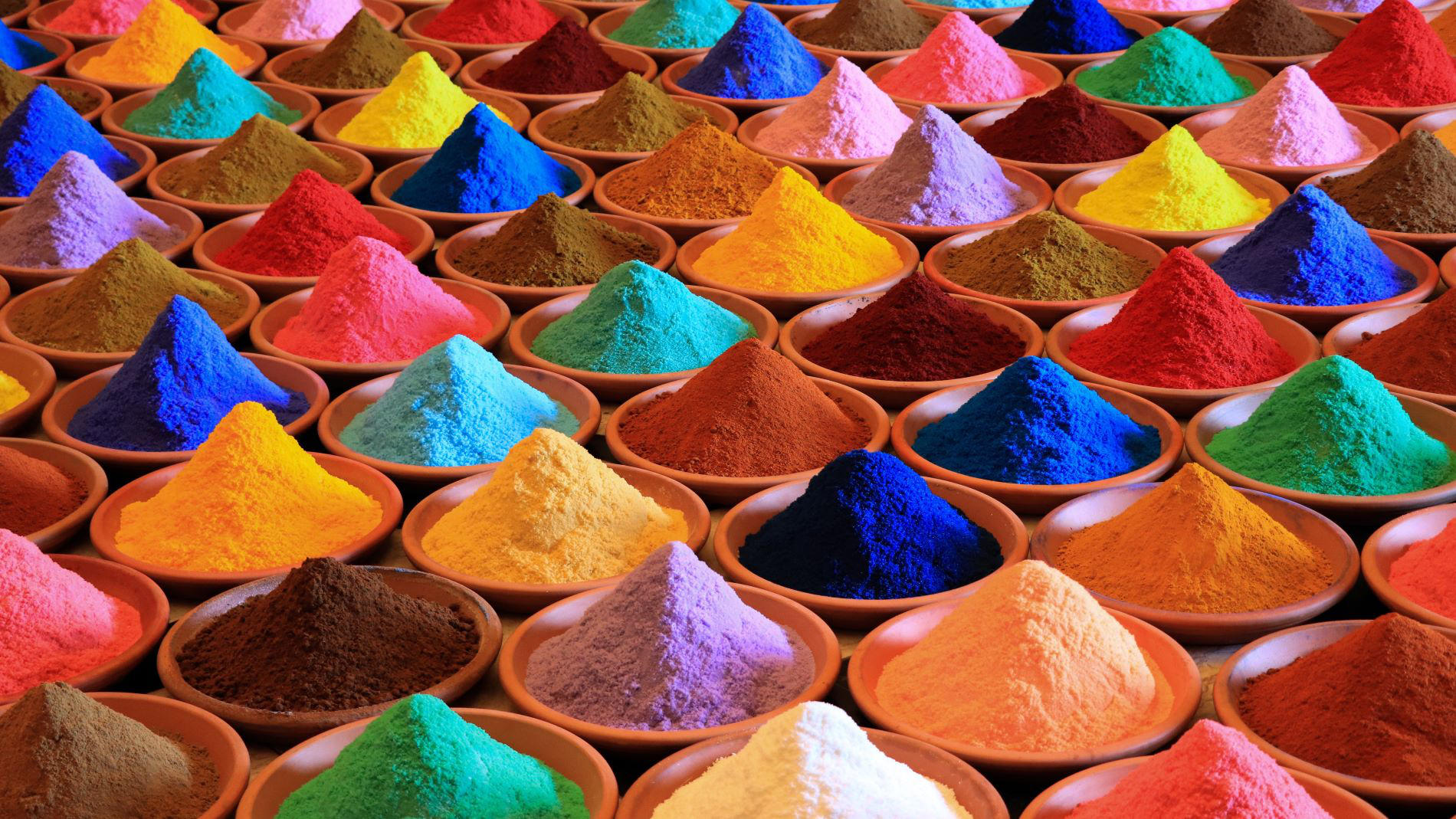
Variety of colourful pigment powders in bowls

Textile dyeing in transition

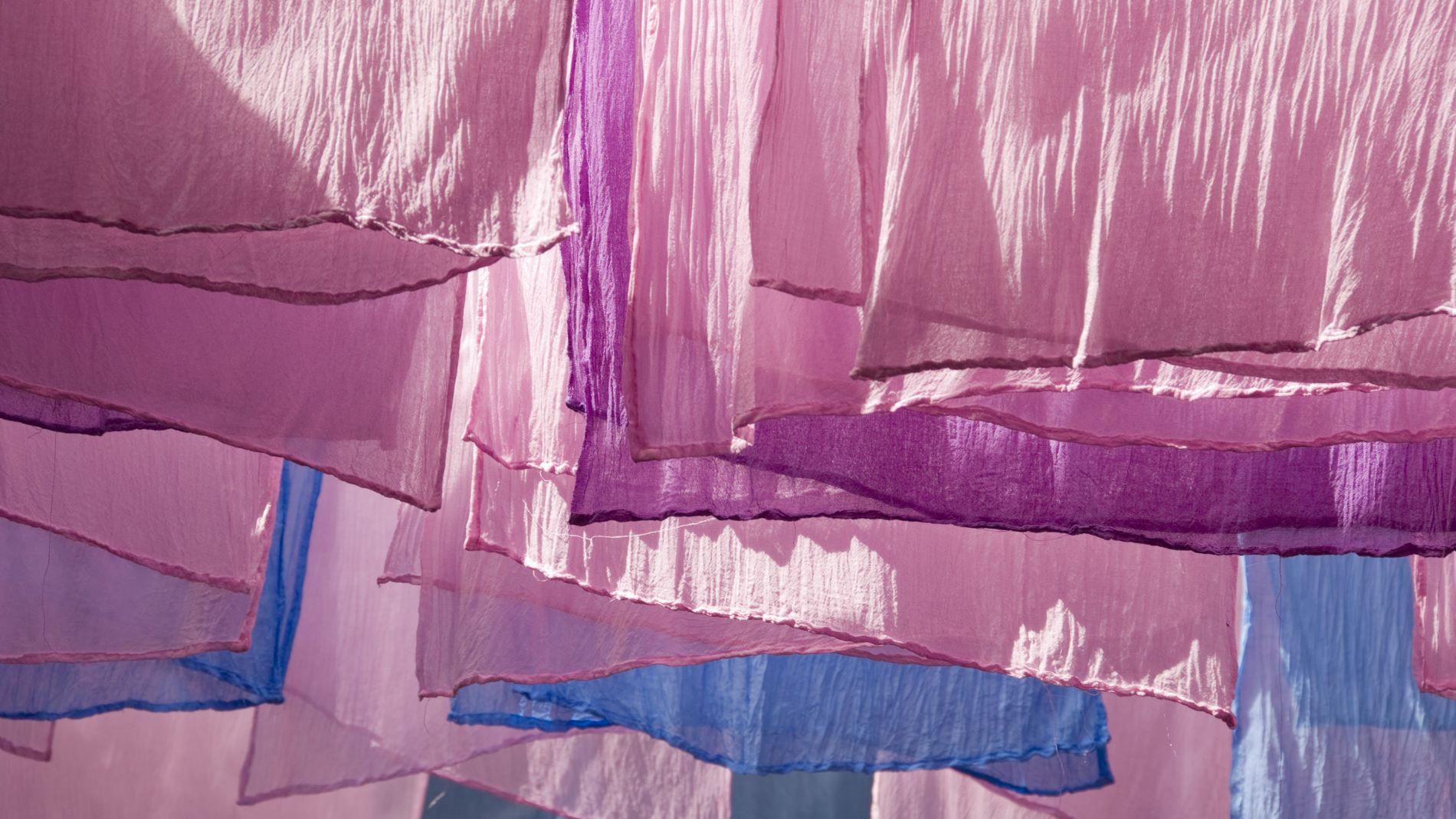
Rethinking colour: sustainable dyeing technologies are transforming the textile industry. They save water, energy and chemicals – opening up new pathways towards more environmentally responsible and economically viable production.

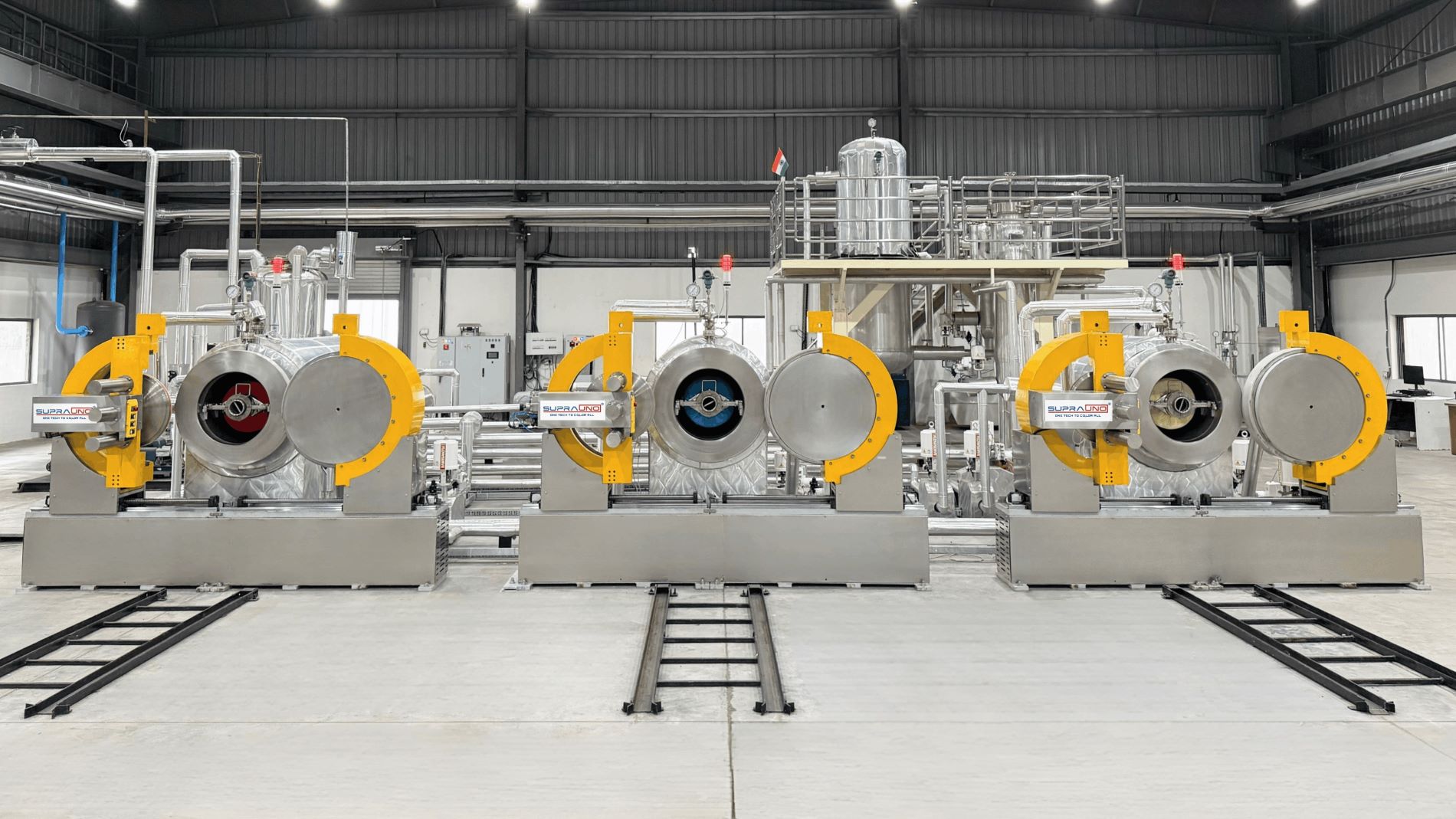
The textile industry is undergoing major change: around 20% of global industrial water pollution2 is caused by dyeing processes. Innovative technologies, however, prove that there is a better way. Sustainable dyeing methods such as microbial or biosourced pigment systems have demonstrated water-savings of up to ~97 %, energy-savings of up to ~95 %, and in some instances elimination or drastic reduction of auxiliary chemicals (while maintaining comparable colour fastness and durability).

Text: The global textile dyes market is growing rapidly on pruple background

Bio-based dyes made from microorganisms, plant-based pigments and digital dyeing processes are emerging as true game changers – reducing emissions and conserving resources. Brands and manufacturers that adopt these innovations early benefit not only ecologically but also economically.

Discover more in our features about start-ups and innovators redefining colour: from the textile dyeing system project ‘Off the Grid’ to Zeefier, Colorifix and other pioneers in bio-based dyes – all showcasing how sustainable innovation in colour is coming to life.
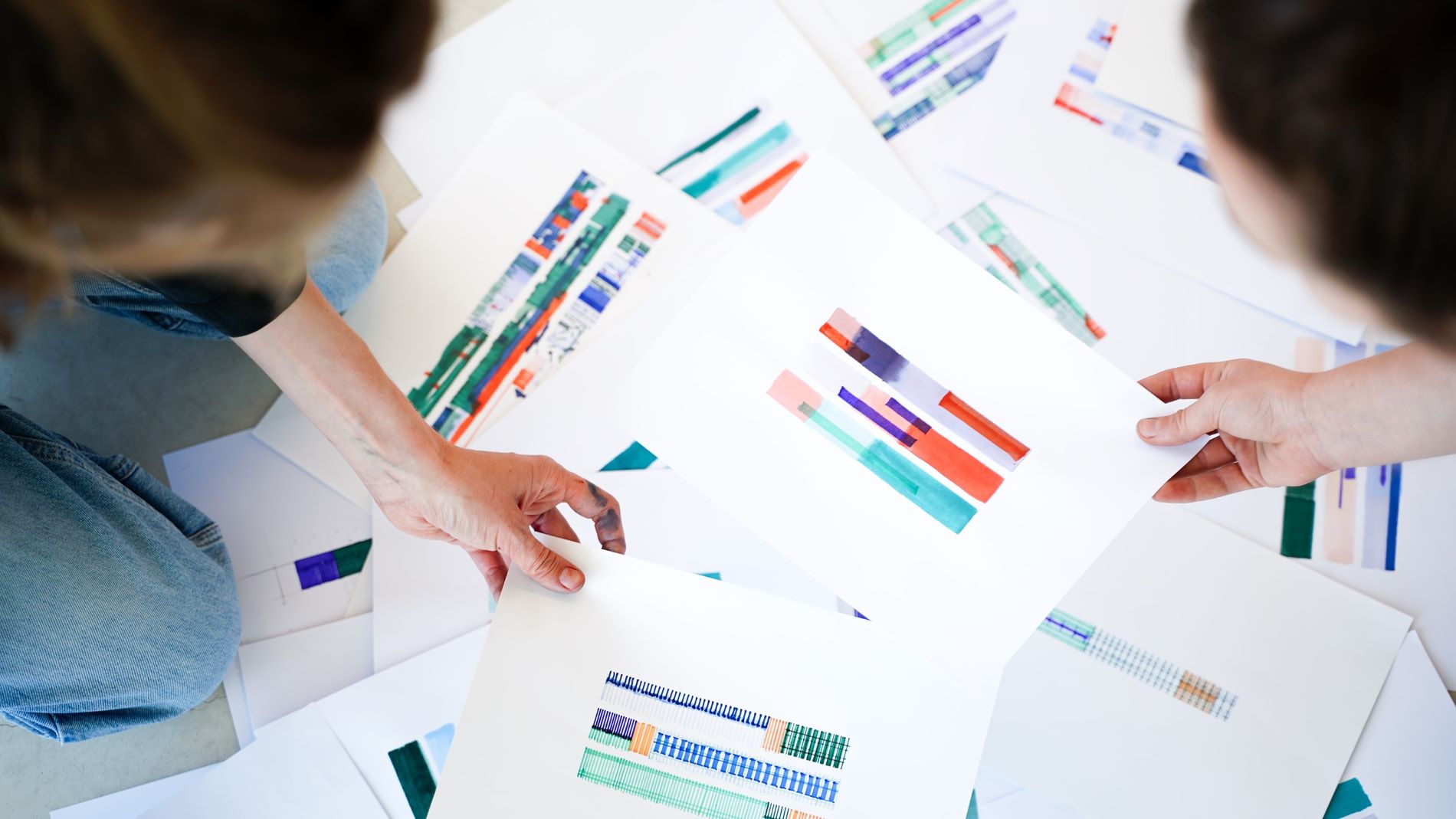
Two women over a pile of papers

Off the Grid: Craft meets high-tech in the dyeing process

The ‘Off the Grid’ project by Eva Benamou and Antonia Gauss combines traditional silk painting with a digital pen-plotter dyeing system that automatically colours fabric panels.

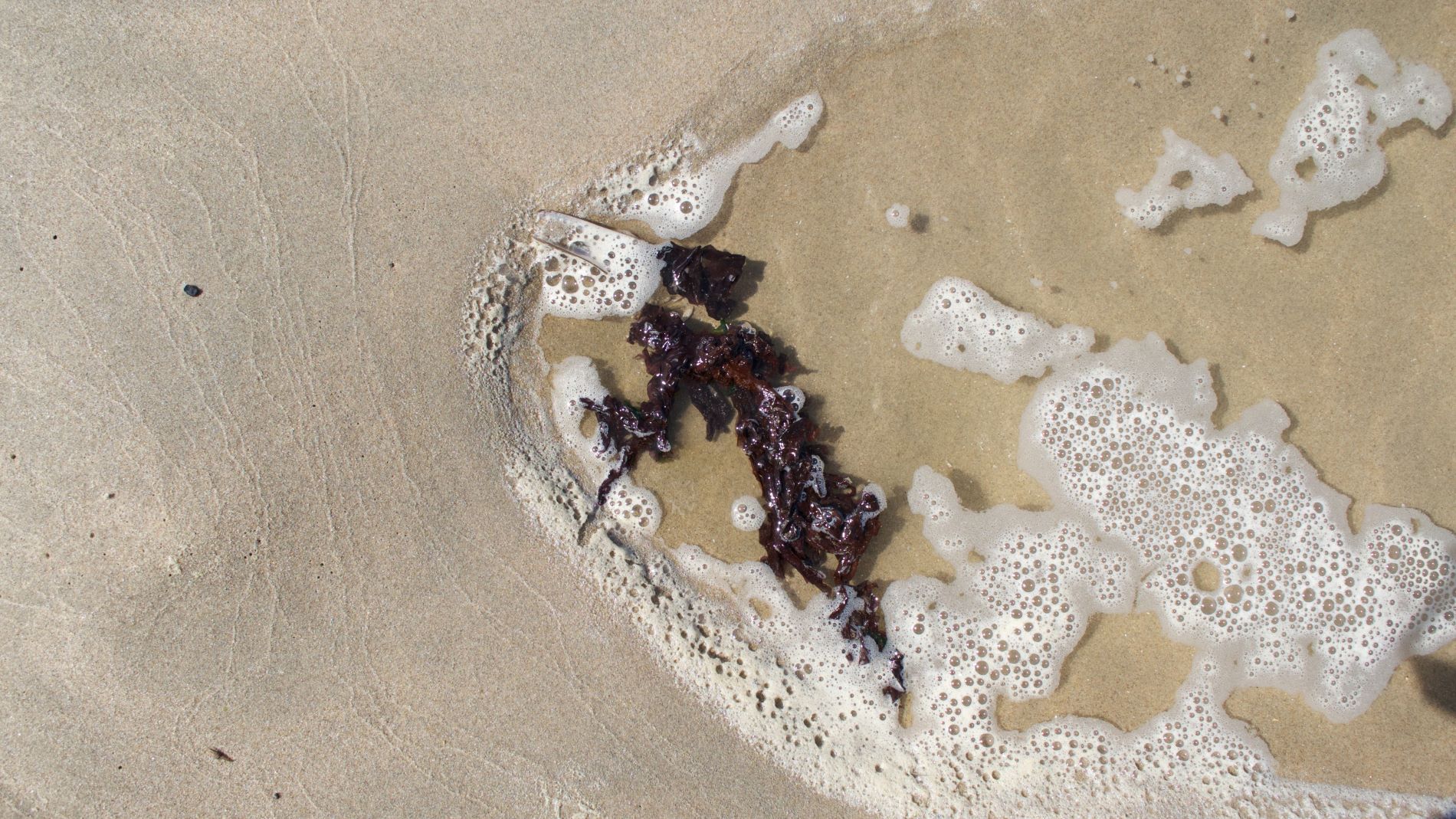
Seawater on the beach with seaweed

Zeefier: Dyeing with seaweed

Zeefier transforms seaweed and residual streams into 100% natural textile dyes–requiring no fresh or agricultural water, no pesticides, and easy to integrate into existing dyeing facilities.

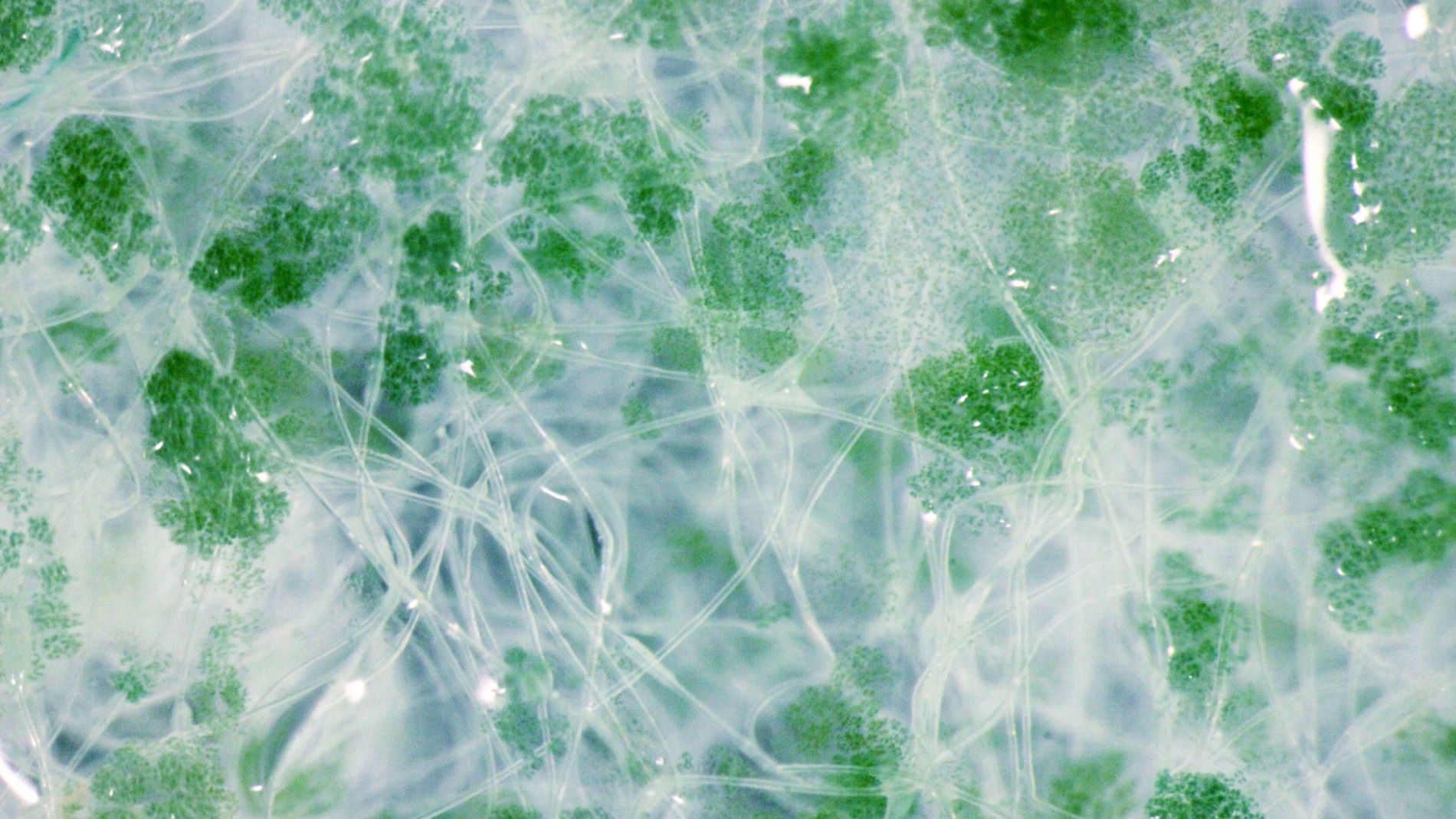
Microbes

Post Carbon Lab: Colour from microbes

Post Carbon Lab converts CO₂ into pigments using microorganisms – entirely without fossil resources, reducing water use by up to 97% and achieving a CO₂-negative process.

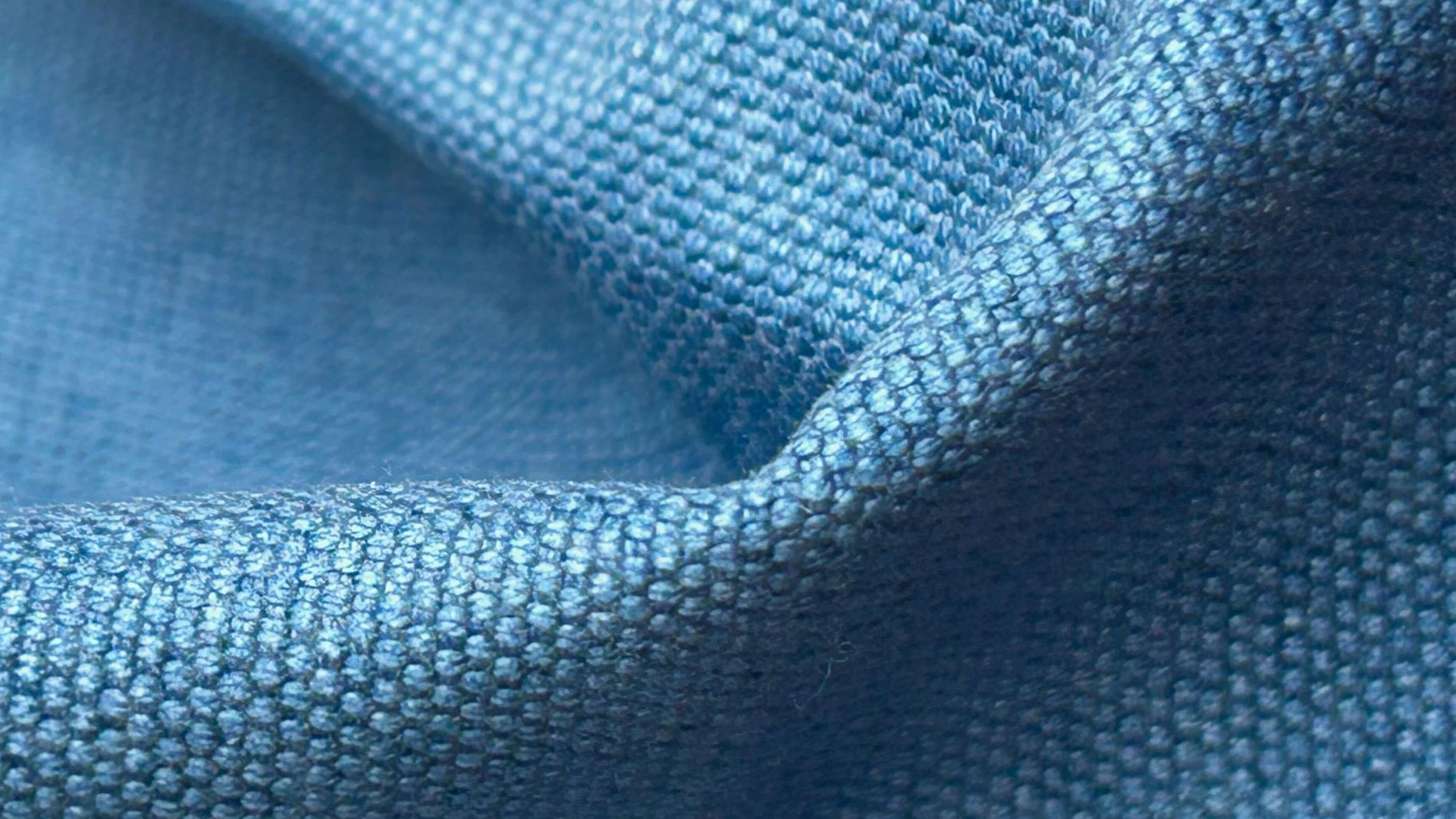
Blue fabric

EverDye: Efficiency as an economic factor for the future

Textile dyeing at room temperature, free from petrochemical substances, using around ten times less energy and five times faster – fully compatible with existing production systems.

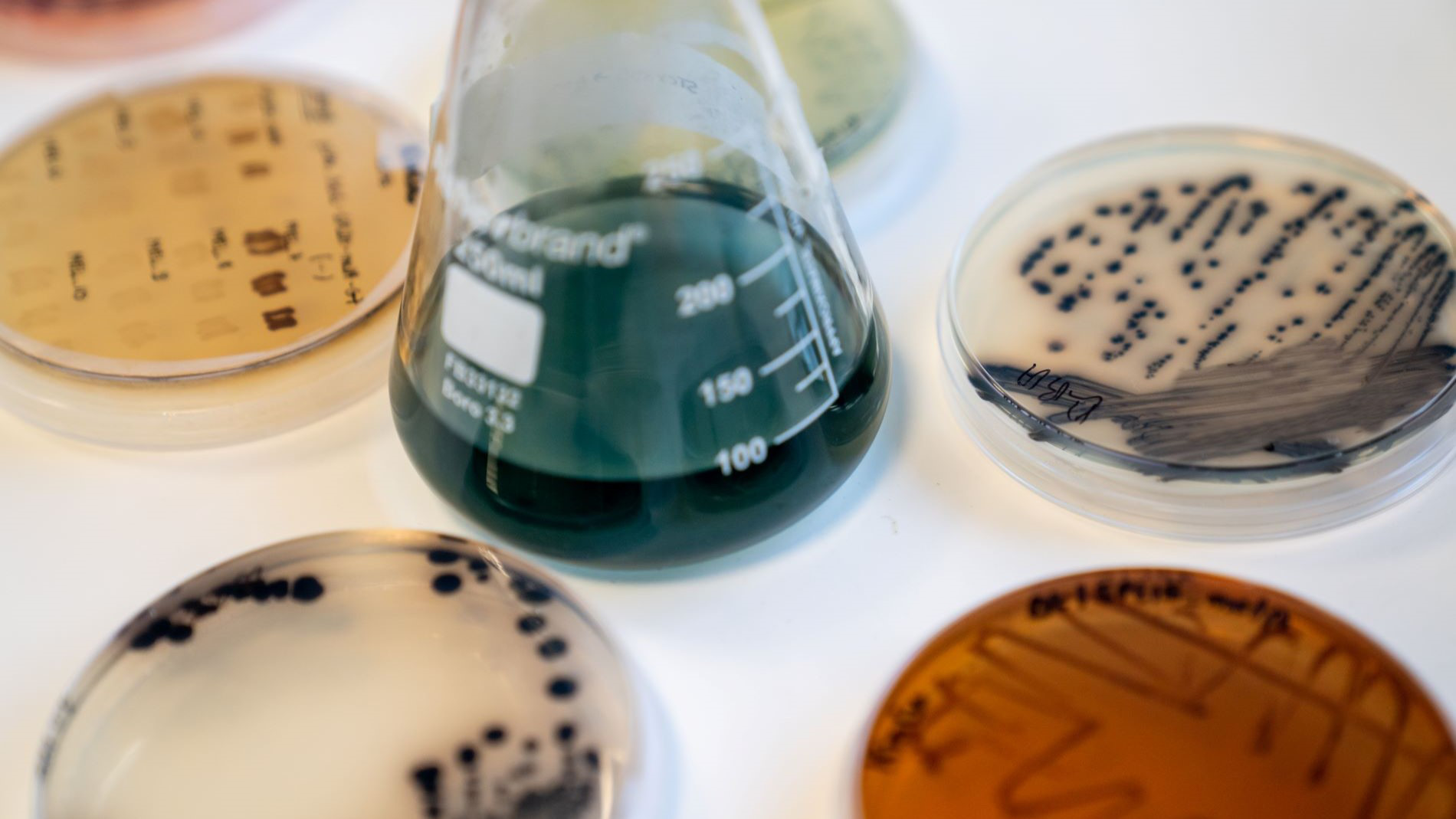
Various Petri dishes and jars

Colorifix: Dyeing with microorganisms

Using its microbial dyeing technology, Colorifix enables clients to produce dyes locally and independently – saving water, energy and reducing supply-chain risks.