
Reading time: 4 minutes
Textile finishing as a driver of innovation
In interior and contract textiles, function and aesthetics have always gone hand in hand. Finishing and functional treatments enhance performance while preserving visual quality. They are an essential part of the value chain – creating textiles that are durable, high-performing and sustainable.
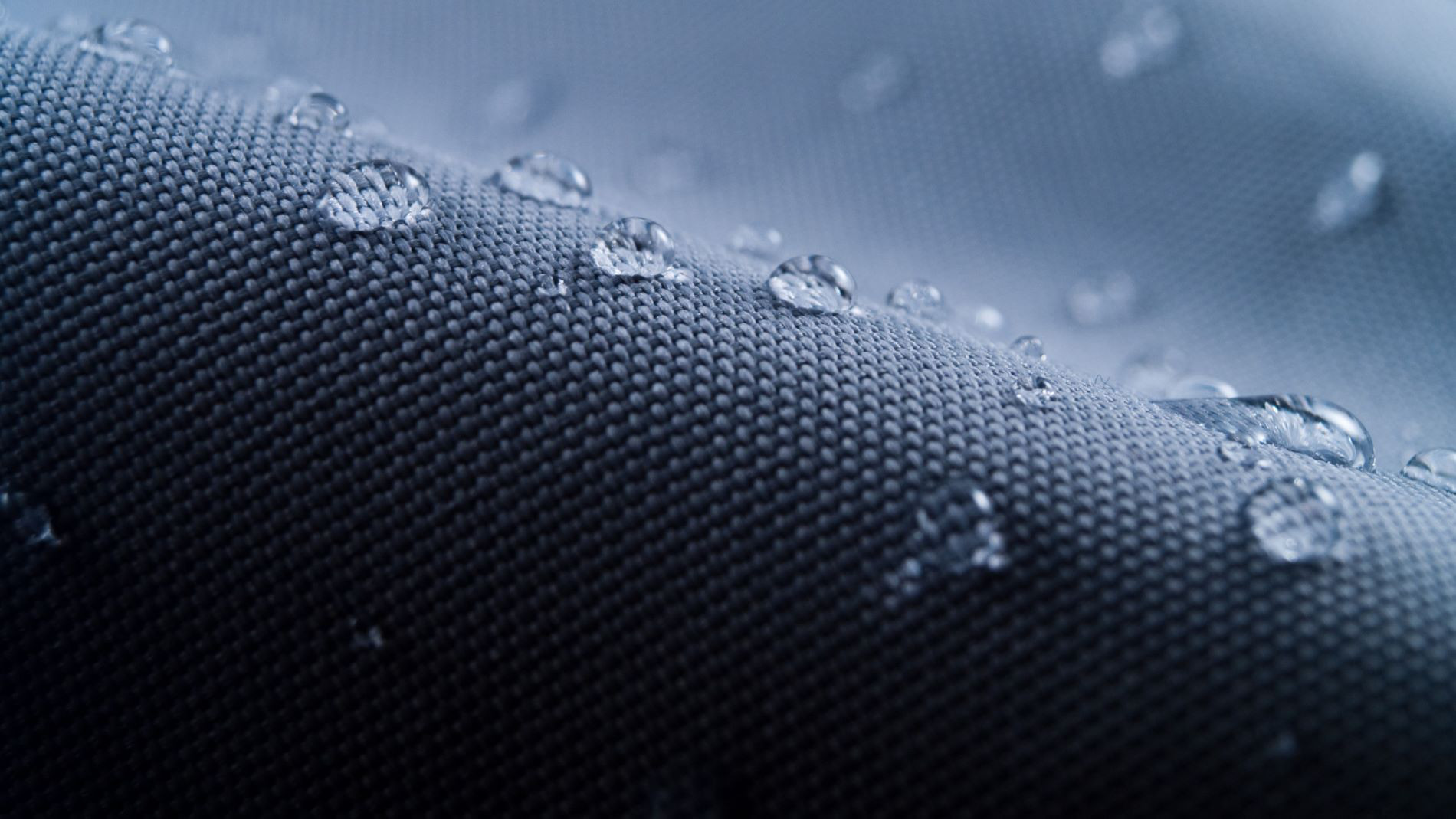
Curtains, upholstery fabrics or acoustic panels now combine design appeal with technical precision: water and stain repellence, lightfastness, flame retardancy and antimicrobial performance have become standard. For manufacturers, designers and specifiers, finishing technologies are a strategic element of product development.
According to The Business Research Company, the global Textile and Fabric Finishing & Coating Mills market will reach USD 93.53 billion by 2029, growing at 7.9 % CAGR. Finishing has become the intersection of technology, aesthetics and performance.
FAQ – Frequently asked questions
What does textile finishing involve?
Textile finishing includes mechanical, chemical and combined processes that give raw fabrics new properties such as smoothness, shine, dimensional stability, water repellence or flame retardancy – ensuring durability and usability across interior, contract and technical applications.
What are the benefits of sustainable finishing methods?
They reduce energy and water consumption, minimise chemical use and support closed-loop production while maintaining performance. This improves resource efficiency and environmental responsibility throughout the textile value chain.
What role does digitalisation play in textile finishing?
Digital technologies optimise process control in real time. Sensors, AI and data analytics enable precise dosing, reduced waste and consistent quality – key to modern, sustainable textile finishing.