
Reading time: 4 minutes
EmpCo was meant to bring clarity. Yet eight weeks after it came into force, the sector is still marked by uncertainty. A founder and a consultant explain what has changed in their day-to-day work, where the difficulties lie and what they would like to see from further implementation. The response of certification systems to the new requirements, alongside a view from Brussels, completes the picture.
Small brands: much to say, little room to manoeuvre
Charlotte Piller built her brand, Lotta Ludwigson, around a transparent approach to design: modern businesswear made from natural materials, conceived from the outset to be long-lasting and suitable for circular systems. Since EmpCo, however, her brand no longer communicates this. “Yes, we have completely changed our communications. Not because we have anything to hide, but quite the opposite.” The uncertainty is simply too great: which terms are permitted, is the evidence sufficient, and where is the line drawn? The brand has also removed material and fibre comparisons.

Piller sees a double imbalance. Some brands do not adapt at all because they can absorb the risk of formal legal warnings, while smaller brands would rather remain silent. “The very brands that actually have something to say are being driven into silence.” There is also the question of budget. “In practice, the law rewards financial resources more than genuine, holistic commitment.”
Her request is specific: smaller brands should be able to have their claims checked free of charge in advance; a first infringement should initially result in guidance rather than a formal warning; and larger brands should also be monitored consistently. Companies that disclose their supply chains, including photographs, material names and production locations, should be able to do so without having to provide a label for every individual aspect. “Only then will the law truly protect consumers without holding back precisely those brands that take sustainability seriously.”



Textile labels: prepared early
Since EmpCo, a label must be based on a certification scheme verified by independent third parties. Certification systems have prepared accordingly. None responded to requests for comment for this article, but their public communications indicate the direction of travel.
Bluesign has introduced Bluepass for this purpose. Certification is carried out by the accredited body SGS Fimko Oy, while existing bluesign® Product and bluesign® Approved certificates remain valid.1 Oeko-Tex® has separated standard-setting from conformity assessment under a new governance structure, converted its GmbH into an AG and established an independence committee with an anonymous reporting system.2 Vaude is opening its Green Shape® label to other brands; since 2025, it has been supported by an independent, non-profit association.3 Certified companies therefore gain greater planning certainty. For everyone else, the question remains what a route towards substantiation might look like.

Greenhushing: when caution leads to silence
Lisa Bergstrand, Textile Sustainability Adviser and founder of Bergstrand Consultancy, sees the same dynamic described by Piller from a consultancy perspective. Some brands have stopped communicating about sustainability altogether, while many smaller companies are not yet aware of the regulation. In Sweden and Italy especially, she sees a lack of information.
“When no one is talking about sustainability because they’re afraid of being fined, sustainability stops being part of the conversation.”
Her indication: McKinsey’s State of Fashion Report mentioned sustainability 66 times in 2025, but only 18 times in 2026. She does not draw a firm conclusion about whether regulation is responsible: “We don’t know if it’s correlation or causation, but budgets for sustainability are being slashed everywhere.” She does not question the law itself: “I think it’s very important to regulate what claims brands can make, otherwise consumers think that everything is ‘sustainable’.” As the EU increasingly withdraws planned legislation such as the Corporate Sustainability Reporting Directive (CSRD), or changes its scope before it takes effect, scepticism grows and brands postpone necessary measures. What she expects from Brussels, above all, is consistency: “Our hope is that the EU will follow through on the legislation as planned so brands understand the importance of staying up to date with legislations and preparing ahead.”
Smaller brands could achieve greater traceability by working directly with tier 3 and tier 4 suppliers. And for brands of every size, Bergstrand says: “A sustainability strategy ensures that a brand invests in initiatives that give them resonant, evidence-backed stories to tell.”
The EU: support before sanctions
There is no assessment from Brussels yet of the first weeks of application, but there was an important signal beforehand. In June 2026, the network of national consumer protection authorities agreed on a common approach to enforcement, which the Commission explicitly welcomed.4 The authorities intend to take genuine transitional difficulties into account, including for goods that have already been produced,5 and to favour preventative measures such as clarification before sanctions. Michael McGrath, Commissioner for Democracy, Justice, the Rule of Law and Consumer Protection, said that “enforcement should be consistent and proportionate across the Single Market”.6 This is precisely what Charlotte Piller of Lotta Ludwigson is calling for.
The rules themselves provide no transition period, and goods already on shop shelves are affected. In May 2026, the Commission also launched infringement proceedings against 20 Member States over delayed transposition.7 It is an indication of how differently the start is unfolding across Europe. Bergstrand observes a similar pattern at national level: “Some countries have stronger associations and industry bodies that are more on top of the matter — and also have greater engagement with their member brands that assists the brands in understanding their responsibilities.”
Whether practice follows the ambition expressed in Brussels will become clear over the coming months. The framework is in place and the tone has been set. What is now needed is guidance that also reaches smaller brands. Then, hopefully, caution can once again give way to a willingness to tell their stories.

1 https://www.bluesign.com/bluepass-empco-compliance
2 https://www.oeko-tex.com/en/news/press-releases/oeko-tex-strengthens-its-governance-and-prepares-for-the-future/
3 https://www.vaude.com/int/en/blog/post/green-shape%C2%AE.html
4 https://luxembourg.representation.ec.europa.eu/actualites-et-evenements/actualites/commission-welcomes-common-understanding-national-consumer-protection-authorities-fair-and-simple-2026-06-30_fr
5 https://commission.europa.eu/document/264d8c70-2f9a-4955-8e7b-154d55a9b684_en
6 https://luxembourg.representation.ec.europa.eu/actualites-et-evenements/actualites/commission-welcomes-common-understanding-national-consumer-protection-authorities-fair-and-simple-2026-06-30_fr
7 https://www.legal500.com/register?entry=intelligence_article&returnTo=%2Fintelligence%2Feuropean-union%2Fconsumer-protection%2Feu-commission-pushes-for-transposition-of-the-empco-directive-on-environmental-claims
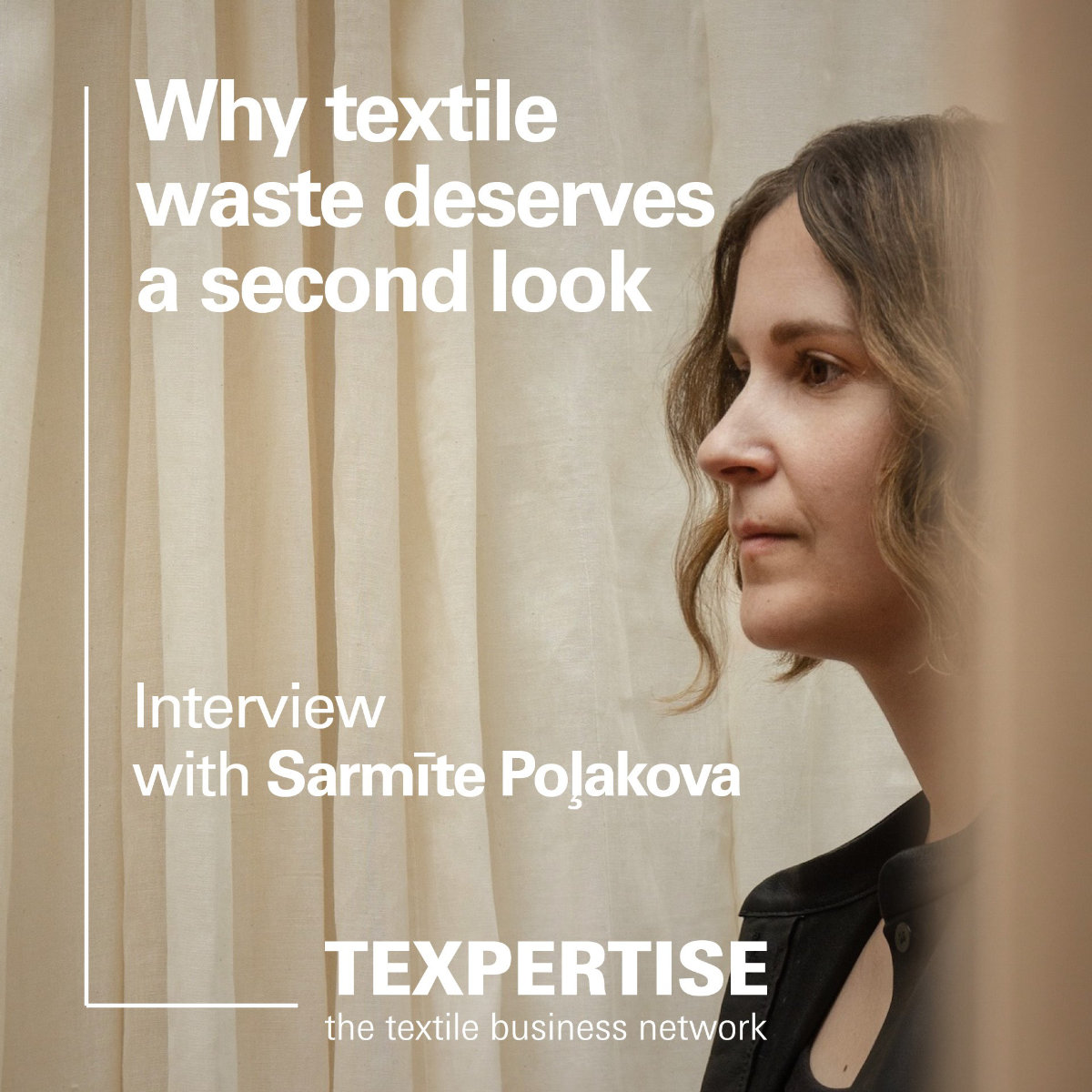
Cover image: Lotta Ludwigson feels restricted in her ability to communicate her own brand values. © Bastian Bochinski