
Reading time: 5 minutes
Demand for circular materials has existed since the late 20th century and has moved towards commercialisation in the past decade. More recently, throughout 2025 textile-to-textile (T2T) recycling has grown not only in terms of innovation but also investment. There has been emerging technologies and research presenting promise for building a circular economy.
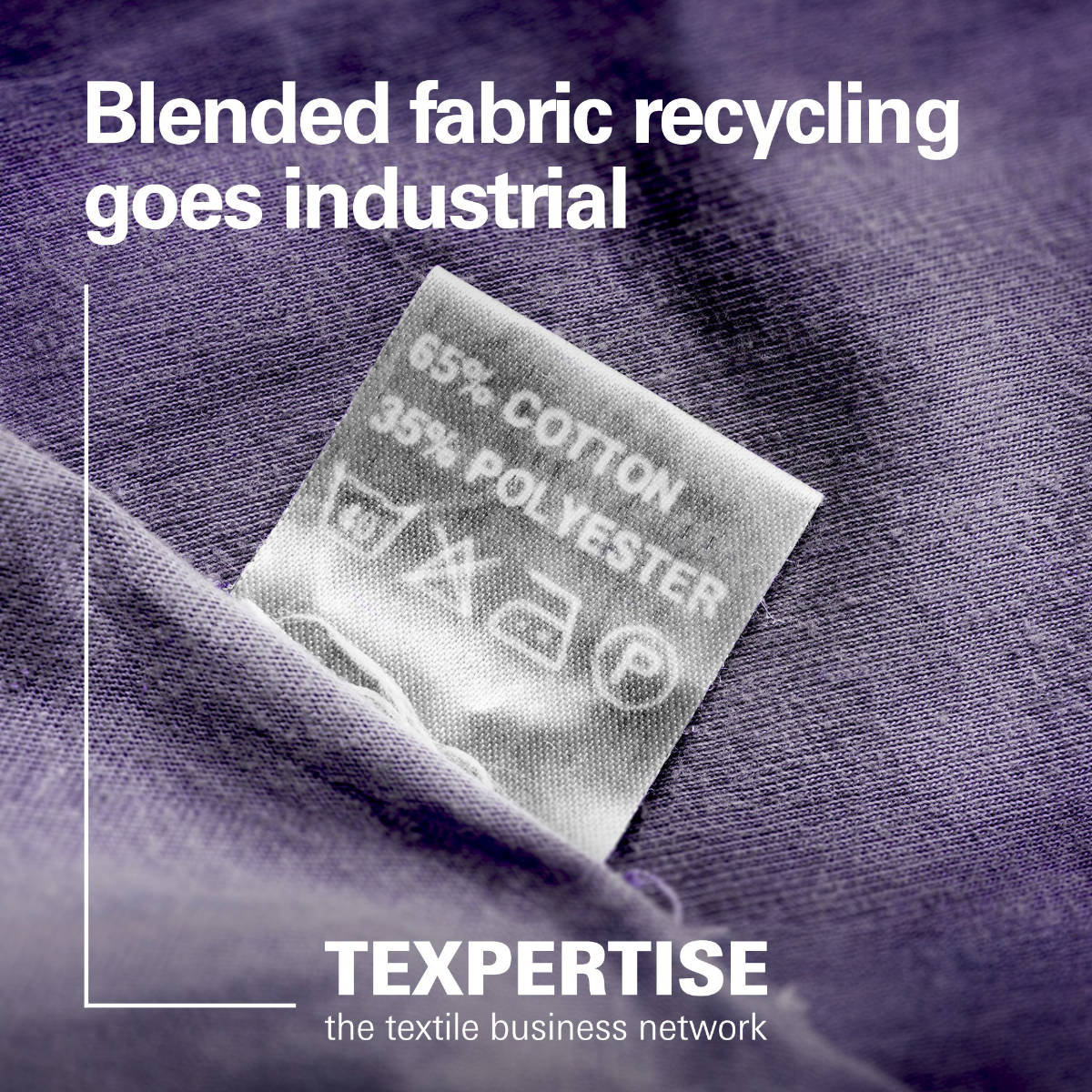
However, the sector is yet to achieve widespread commercial success and there have been a number of setbacks, including tackling blended fabrics, preparing fabrics for recycling and funding. According to the Ellen MacArthur Foundation, less than 1% of fibre used to produce clothing is recycled to make new clothing.
Additionally, there are millions of tonnes of textile waste produced each year and current disposal practices – predominantly landfills or incineration – are unsustainable. T2T could be the key to creating a circular economy if materials and technology are able to scale.
With the EU’s Ecodesign for Sustainable Products Regulation (ESPR) taking shape, new market-entry requirements for recycled textiles may emerge. Against this backdrop, several recent T2T materials can be identified that have already reached, or are close to reaching, commercialisation.
UNITEX | Fujian, China | Scaling
Fujian Unitex, a bluesign®-accredited manufacturer specialising in synthetic fabrics, is advancing performance-driven textiles through innovation. Unitex uses textile waste as a feedstock for polyester production on an industrial scale. The current collection includes circular and warp-knitted fabrics designed for performance. In doing so, the company brings textile waste back into the value chain.
Through its new T2T initiative Unitex
- is integrating Jiaren Greencircle’s chemical closed-loop process, which process decomposes used polyester products into raw materials, turning waste into high quality polyester fibres;
- Unifi’s Repreve Takeback programme that recreates post-industrial and post-consumer textile waste into next-generation polyester yarns via mechanical recycling;
- and Fenc’s Topgreen rTex technology, which converts pre-consumer factory waste into high-value polyester fibres and yarns through processes such as sorting, crushing, melting and reforming.
Hyosung TNC | Seoul, South Korea | Commercially Ready
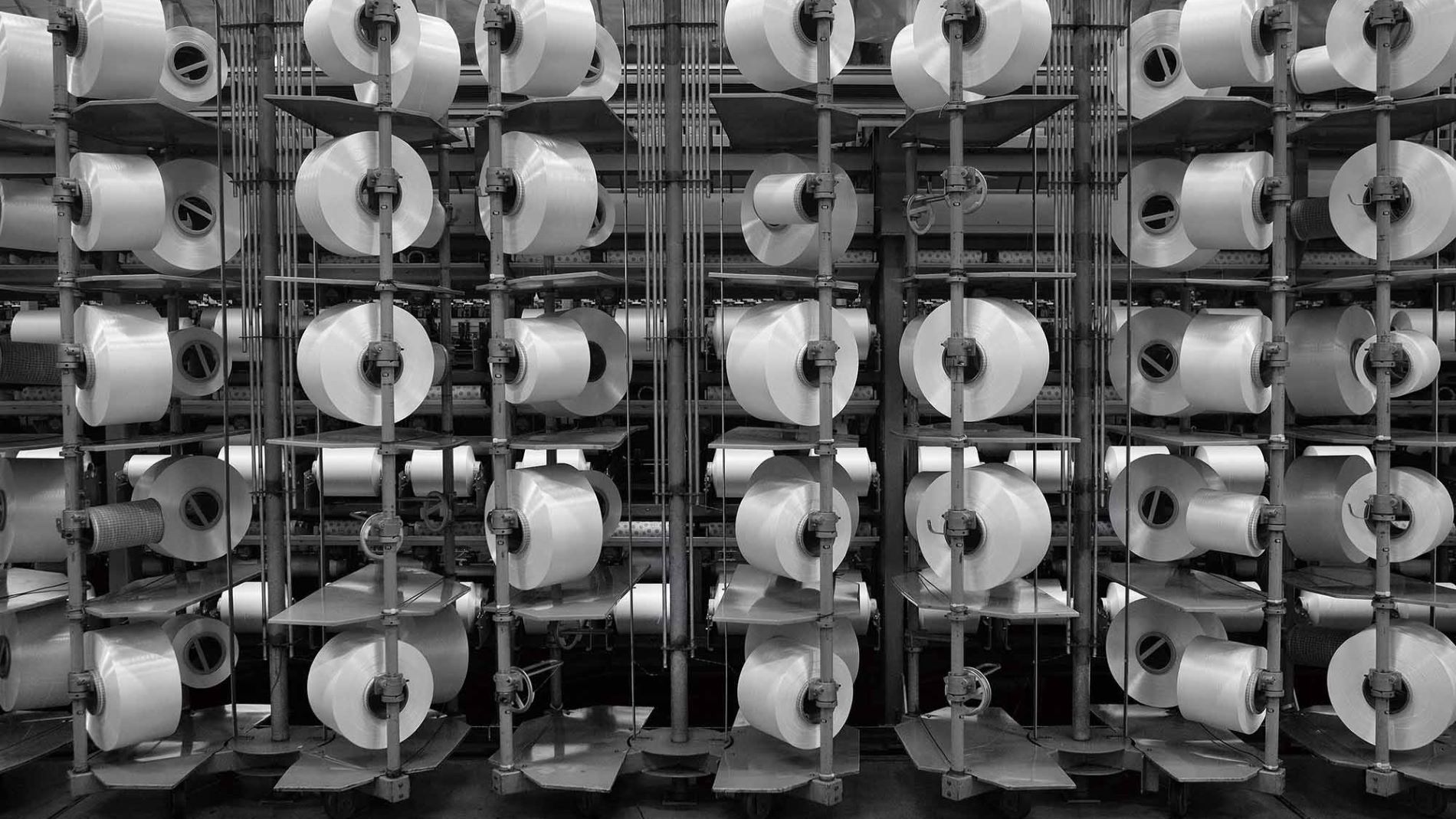
Hyosung TNC, the world’s largest elastane manufacturer by market share, has formed a partnership with textile recycler Loop Industries to expand access to ‘circular’ polyester throughout textile-to-textile supply chains.
Hyosung’s partnership with Loop combines Loop’s Infinite Loop™ depolymerisation technology and Hyosung’s expertise in advanced textile materials to help brands transition from fossil and bottle-based polyester to next-generation circular materials.
Loop transforms low-value textile waste into Twist™—its branded polyester resin that is 100% recycled, fully traceable, and specifically designed for the textile industry—delivering virgin-quality performance with a reduced environmental footprint.
Hyosung then converts this material into performance yarns under its regen™ brand portfolio, which is used by leading brands across fashion, activewear and other textile markets. This Hyosung says results in a circular solution that meets the technical and environmental needs of today’s leading global brands.
Loopamid | Ludwigshafen, Germany | Commercially Ready
Loopamid is a polyamide 6 (PA6, also known as nylon 6) made from 100% textile waste. The material from BASF provides a circular solution for nylon apparel made entirely from textile waste.
Due to its capability to tolerate all fabric mixtures, like PA6 and elastane, the technology behind Loopamid allows T2T recycling of post-industrial and post-consumer textile waste. The fibres and materials can be recycled multiple times while maintaining the same characteristics as conventional virgin polyamide.
Loopamid is certified to the Global Recycling Standard (GRS) and already has been used by brands including Zara, which created a jacket made from 100% Loopamid. Following a “design for recycling” approach, all parts, including fabrics, buttons, filling, hook and loop and zipper are made from Loopamid.
Deakin University | Victoria, Australia | Emerging

While not yet commercially available, Australia’s Deakin University is exploring the field of T2T recycling. Within the coming months Deakin University will receive a machine from Italy that will enable the researchers to deconstruct garments at end of life.
The hope is that the research facility will be able to understand what is needed to separate blended cotton garments at end-of-life to maintain fibre length, so that the fibres can be respun into materials that can be used again and again, while maintaining durability.
Deakin University has identified the desire for more T2T recycling solutions within the textile industry and its Institute for Frontier Materials (IFM) is ready to collaborate with companies and brands that also want to explore this further.
Gen Phoenix | Peterborough, UK | Commercially ready
UK-based recycled materials innovator, Gen Phoenix, has secured further investment from its partner Tapestry, Inc – the owner of Coach, Kate Spade and Stuart Weitzman brands. The fresh US$15m finance supports a three-year contracted supply agreement.
Gen Phoenix currently offers three distinctive, recycled content alternative leather products, all using its proprietary mechanical recycling and material fabrication process. This involves shredding, milling and compression steps, before heat, pressure, hydroentanglement and finishing phases form a pliable sheet material.
Each material uses a selection of recovered fibrous materials, largely from post-industrial sources – including leather (both coated and uncoated), synthetics and natural fibres – to produce upcycled materials for industrial uses.
As part of this recent investment, Gen Phoenix, which sources waste materials from European tanneries and factories, will supply recycled leather to Tapestry for three years.
Ambercycle | Los Angeles, California, US | Scaling
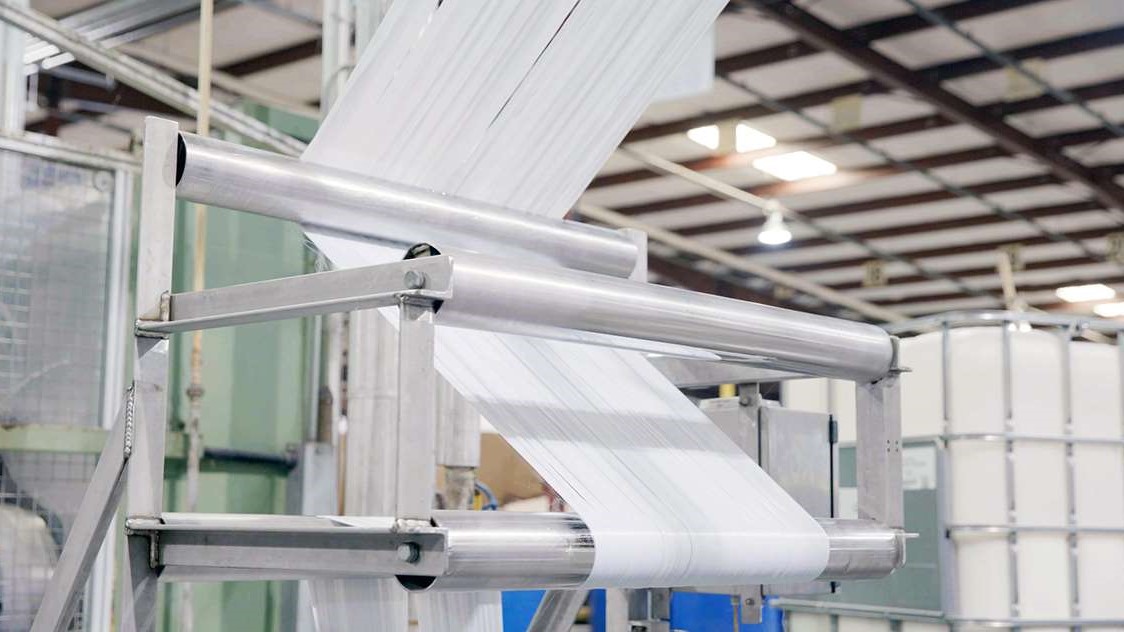
US-based T2T recycler Ambercycle, also recently secured investment from Goldwin PlayEarth Fund. The fund carries a number of textile innovators within its portfolio and will see Ambercycle’s 100% recycled polyester, Cycora, adopted in the Japanese technical apparel market.
The news follows several partnerships Ambercycle has forged this year with both brands and manufacturers alike. Examples include offtakes and strategic partnerships with Ganni, Shenghong, Benma, Huilong and Highsun, all signed in the last months
Ambercycle is rapidly scaling Cycora, a regenerated polyester chip that meets the spinnability standards of virgin materials and outperforms other recycled materials, according to testing by the European Center for Innovative Textiles (CETI), a leading research institute.
The company is committed to driving T2T regeneration and initiating change. Its goal has been to divert 10m lbs of textile waste from landfills by 2025 and start commercial-scale production of its regenerated solution.
The goal was to prevent around 10 million pounds of textile waste from going to landfill by 2025 and to begin commercial production of its regenerated solution.
Author: Abigail Turner, WTiN