
Reading time: 7 minutes

There is a palpable sense of a new beginning. “We are going to the Moon and Mars! And to do so, we need high-performance textiles whose capabilities go far beyond anything we have previously known on Earth. We are therefore calling on companies across the industry to contact us and join us as we venture into new realms.” During their presentation at Techtextil 2026, NASA experts Jane Gensler and Wendy Gao1 left no room for doubt: NASA is advancing human spaceflight – and is counting on the textile industry’s combined innovative strength to achieve its ambitions.
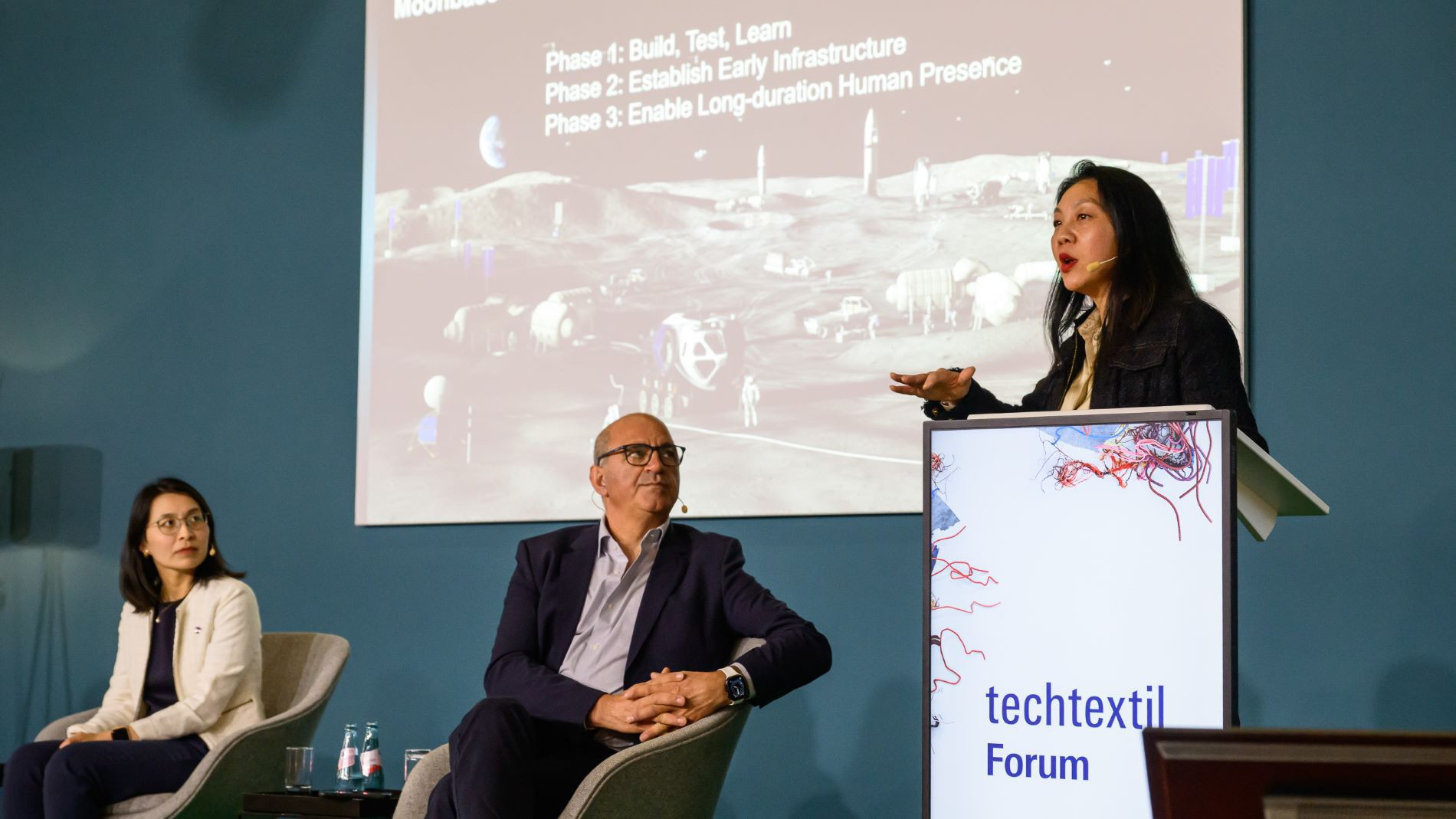
The challenges are significant and varied. In future, for example, greater use is expected to be made of high-oxygen environments to improve the efficiency with which oxygen is used in space. Concentrations of up to 40 per cent are being considered. Until now, flame-resistant textiles have been designed for oxygen concentrations of 21 per cent to no more than 30 per cent. There is therefore still considerable room for improvement. Spacesuits also need to become more resilient. The outer layer of the Apollo suits showed severe damage after just 22 hours. Future models will probably need to withstand much longer periods of use. Resistance to heat and cold is another key issue: temperatures on the Moon range from around −225°C in the shade to +120°C in direct sunlight. The new high-performance textiles for people and equipment must cope with both this enormous range and the rapid changes in temperature.
Is it worth the effort?
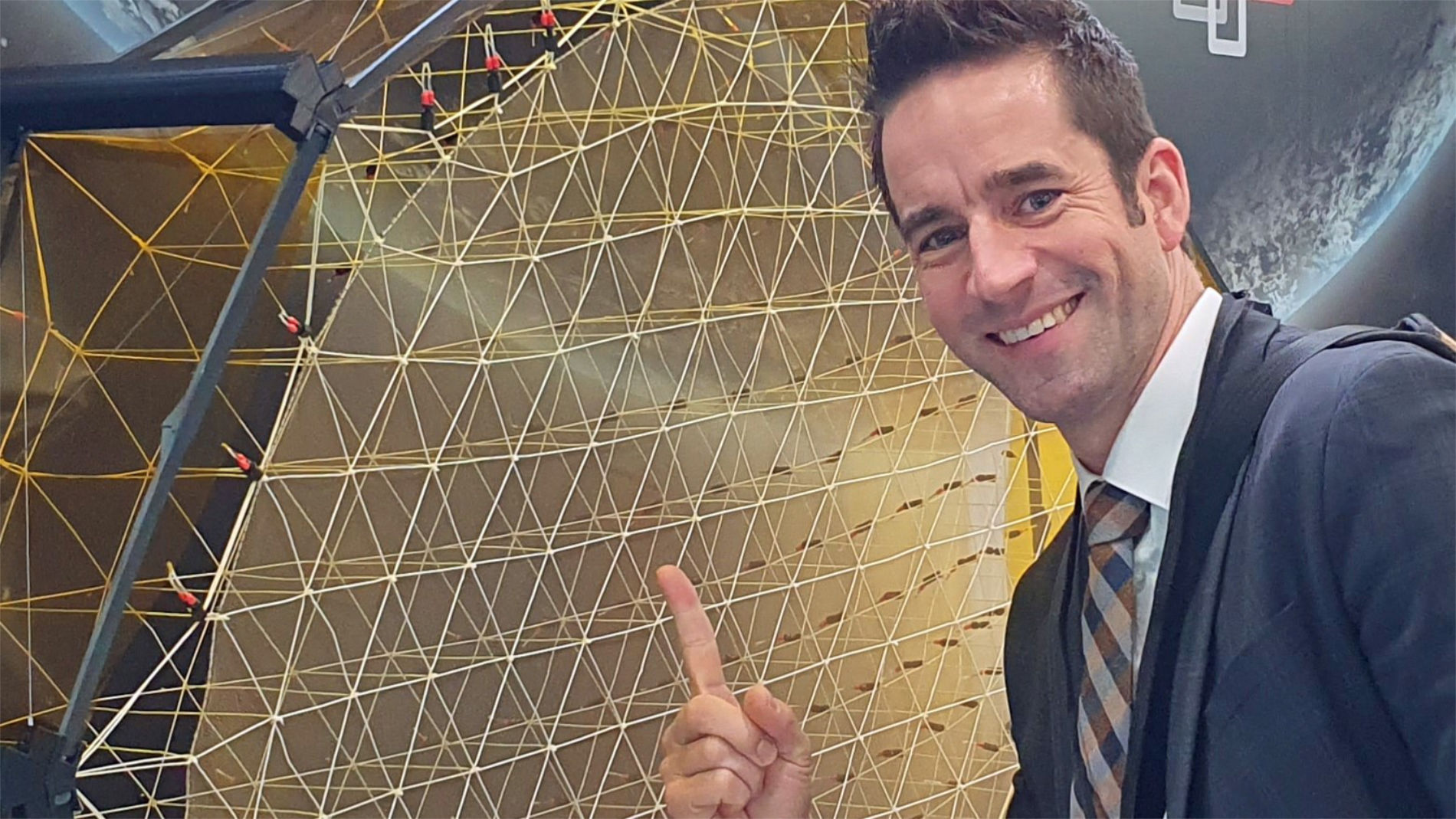
There is clearly much to be done. But does the effort also make economic sense? Michael Decius believes it does. The application engineer at TEC-KNIT speaks from experience: “Space may be a relatively small market, but anyone with solutions that prove themselves in space also earns a strong reputation on Earth. This is particularly true if they are capable of producing them at industrial scale and in high volumes.”
Among other products, TEC-KNIT manufactures sophisticated warp-knitted metal fabrics used as the surface of large deployable reflector antennas. In orbit, they reflect incoming and outgoing signals from the transmitter or towards the receiver. Decius’s team has adapted these specialist fabrics for use in preparations for autonomous driving. In current car models, a sensor detects whether the driver’s hands are on the steering wheel. Since 2018, TEC-KNIT’s fine warp-knitted metal fabric has served as an intermediate layer, shielding the sensor from interfering signals generated by the steering-wheel core and heating system.

Trends and temperatures
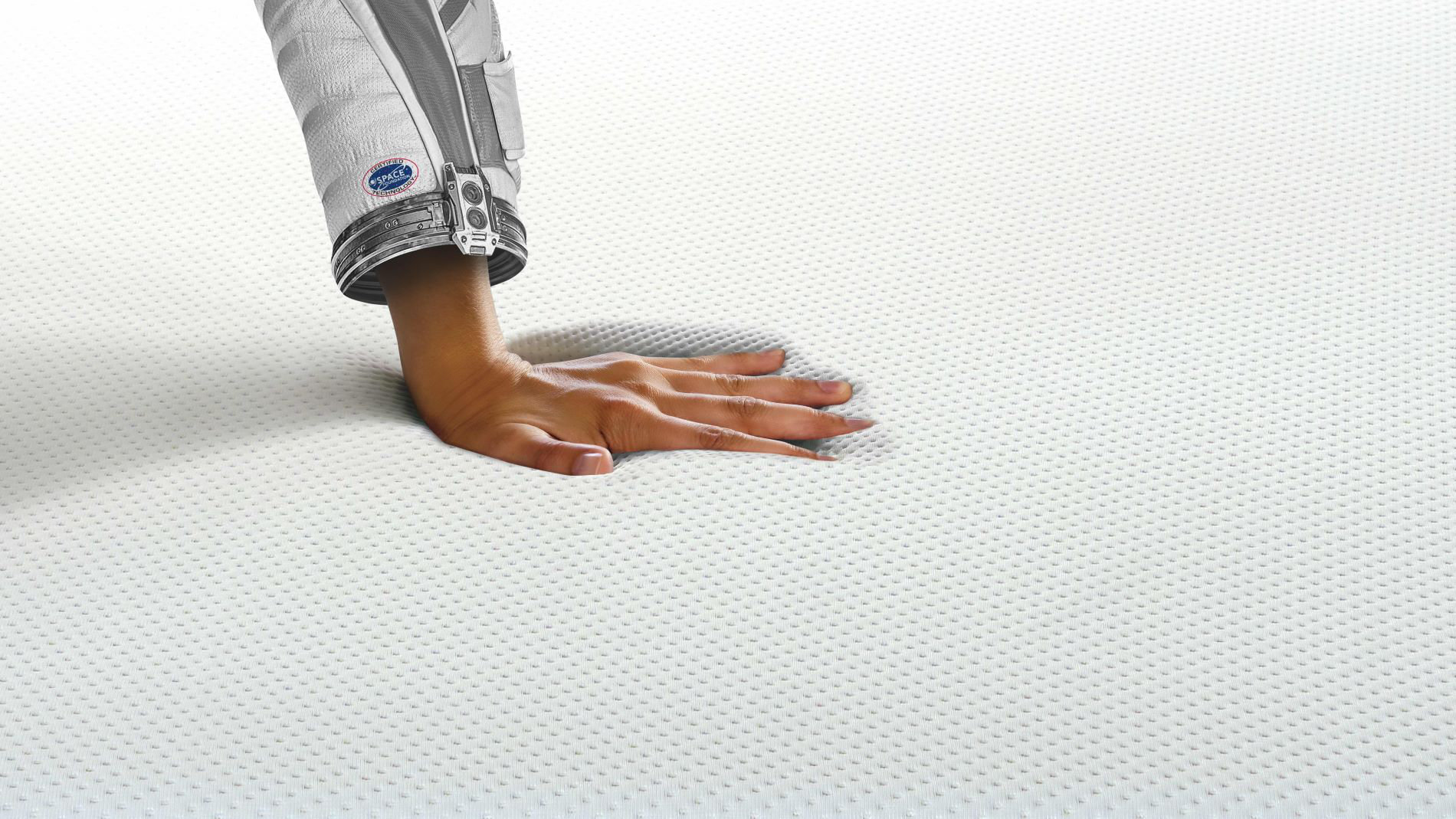
Several developments are working in the company’s favour. As climate change progresses, for example, insulation and temperature-regulating technologies are becoming increasingly important – particularly when physical exertion increases and thermal comfort shifts from being a nice-to-have to a relevant factor in well-being and performance. This is one reason why Outlast is working on a new solution called Aersulate®. The aim is to incorporate the insulating properties of aerogel into textile applications. This is technologically challenging, but opens up new possibilities for extremely thin, lightweight and high-performance insulation, for example in clothing or protective applications. Its use is particularly promising wherever conventional insulation materials reach their limits, such as where space is restricted or under exposure to pressure or moisture.

Hidden champions in demand
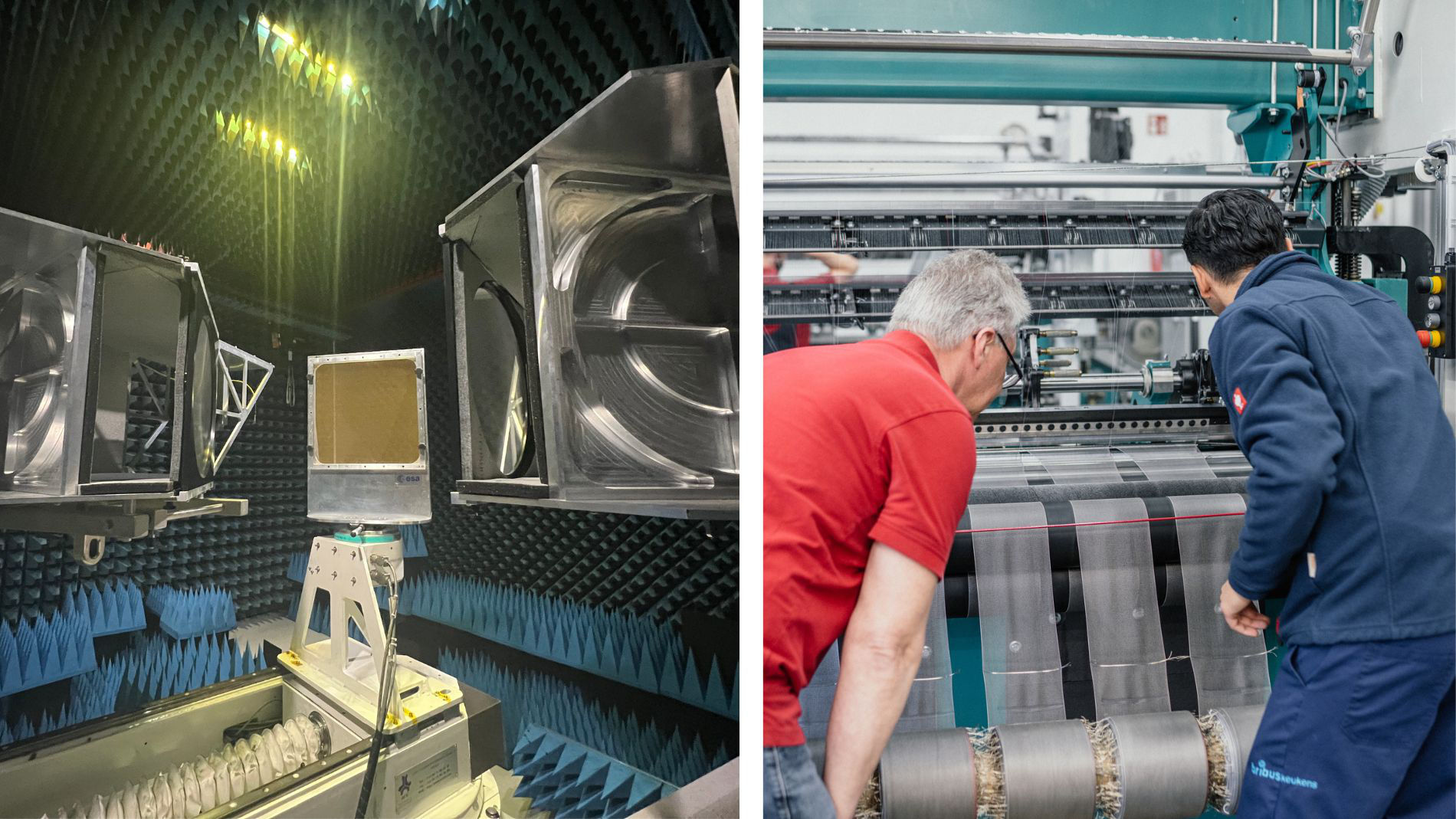
But back to space: both then and now, specialists with solutions that have already taken flight are able to distinguish themselves. There is no shortage of ideas and innovations for space travel, but not all of them manage to get off the ground. Those developed by TEC-KNIT CCTT GmbH have. The German company develops and manufactures advanced warp-knitted fabrics for space technology. Satellites equipped with TEC-KNIT products have been orbiting the Earth since 2007.
Hidden champions such as TEC-KNIT are sought-after partners for new space projects. This was one of the reasons why the two NASA experts actively approached the company at Techtextil. “It was an interesting discussion – open and exploratory. The planned projects require many solutions that go beyond what currently exists. NASA is therefore prepared to try new approaches, while also needing partners with experience,” reports Decius, application engineer at TEC-KNIT.
Global challenges, new markets
It is not only new technologies and NASA projects that are bringing momentum to the industry. Geopolitical changes are also having an impact behind the scenes. TEC-KNIT is currently in close contact with ESA and European research partners. “There is a strong focus at present on becoming more independent and resilient. This also means anchoring supply chains more firmly in Europe again. It is therefore not only about expertise, but very clearly about production capacity too,” says Decius. Does he expect this development to produce further promising products for use on Earth? He is certain that it will: “New challenges and technologies also create new requirements. One example is sensor technology in cars, which suddenly generated greater demand for flexible shielding textiles. But development is continuing, and we are constantly working to make our technical textiles suitable for additional fields of application. I think we are currently facing many major challenges – both in space and on Earth. Not everything can be predicted, but with enough ingenuity, most problems can be solved.”
1 Jane Gensler, Crew Health & Performance Domain Lead, Mars Campaign Office, NASA Headquarters, and Wendy Gao, Textile Material Lead, Crew and Thermal Systems Division, NASA Johnson Space Center.
Cover photo: Outlast