
Reading time: 4 minutes
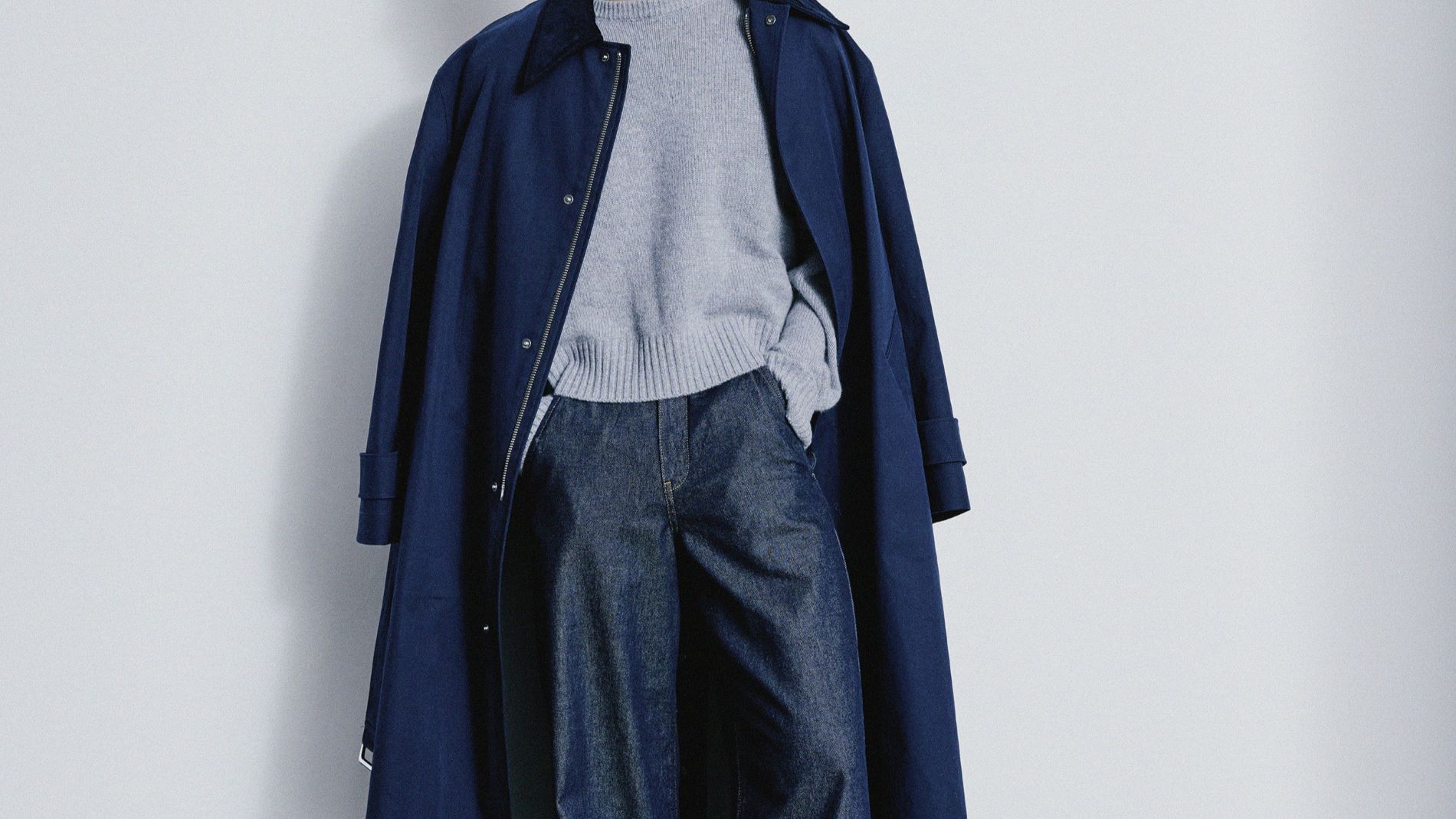
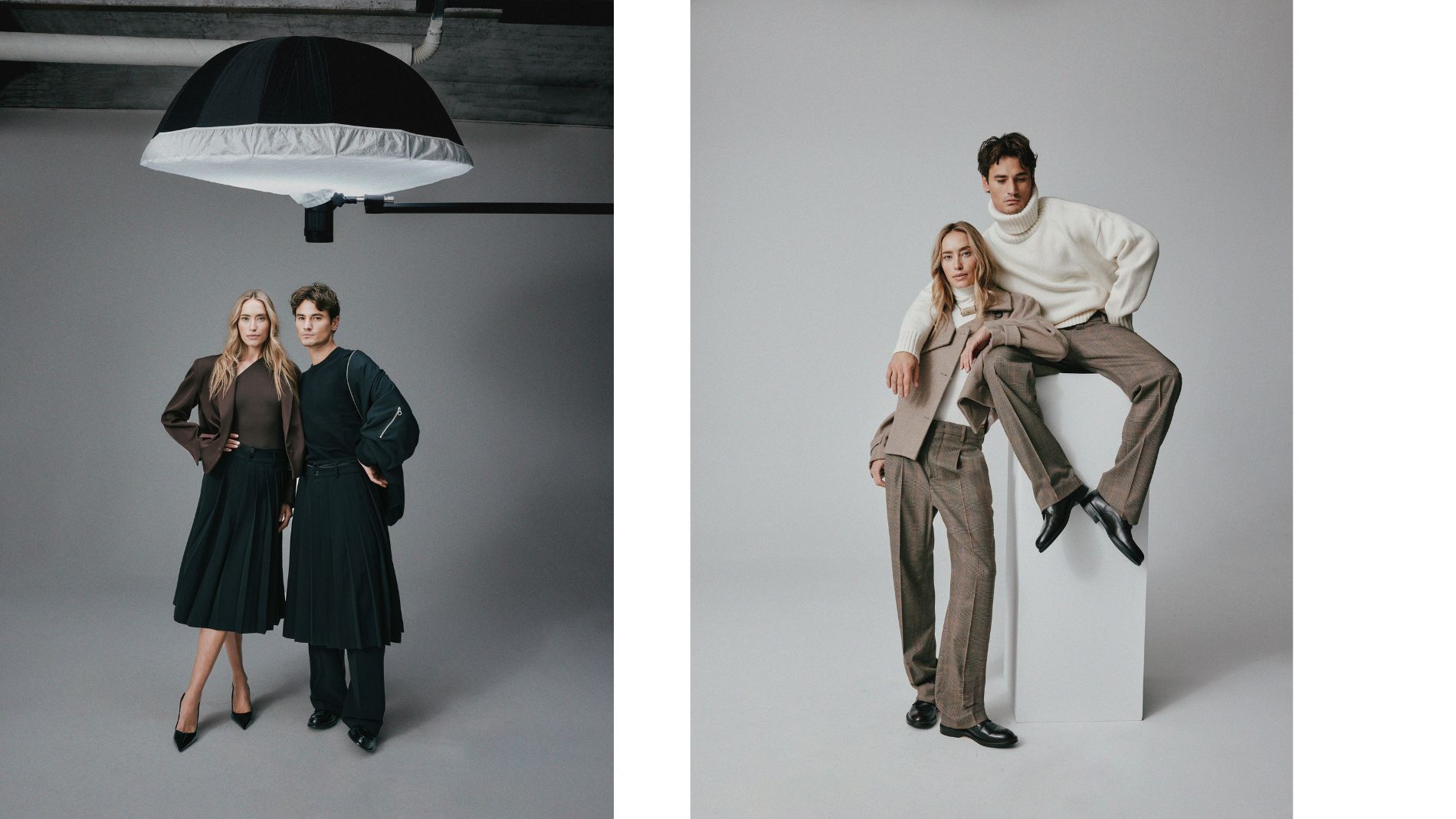
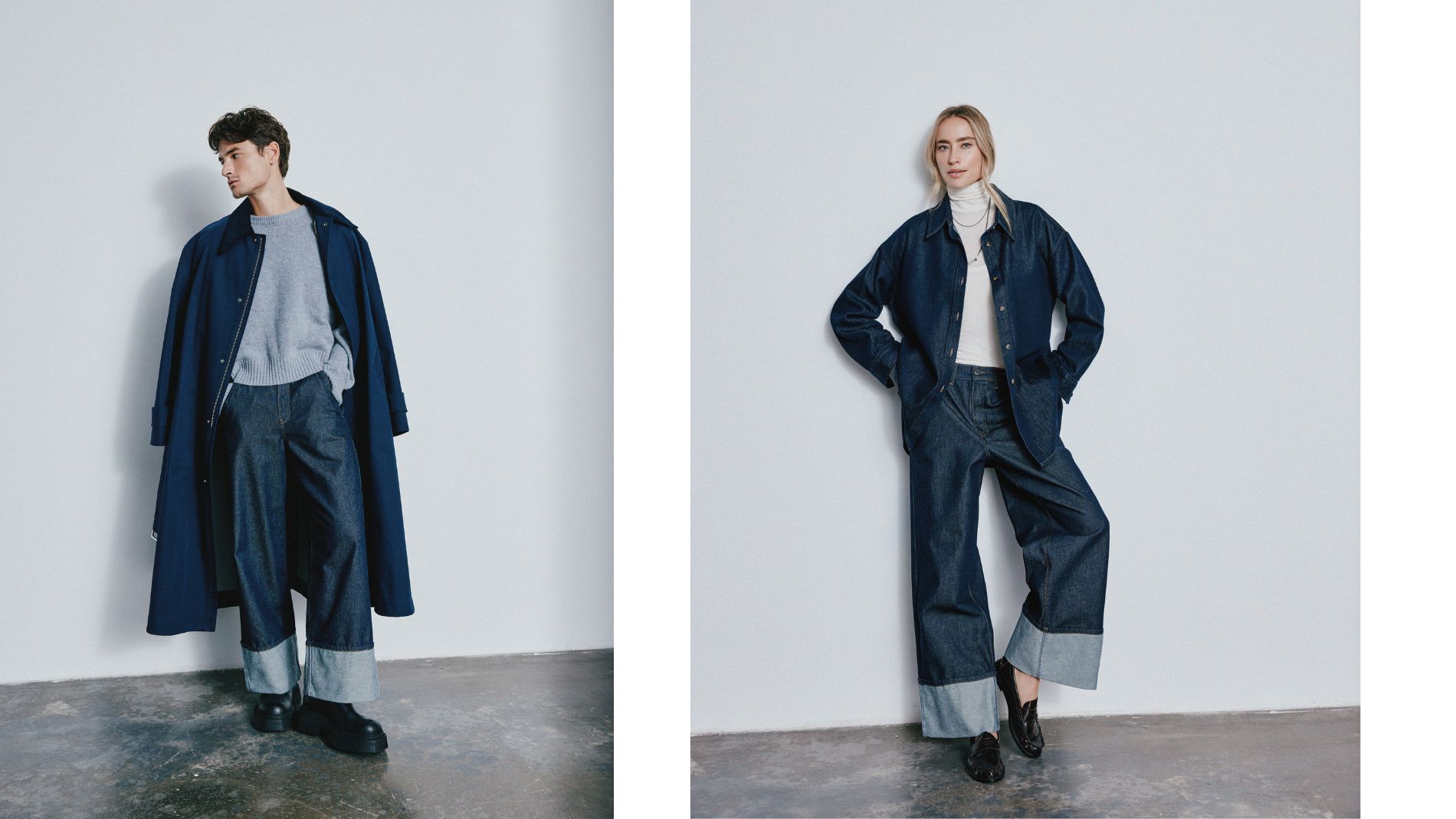
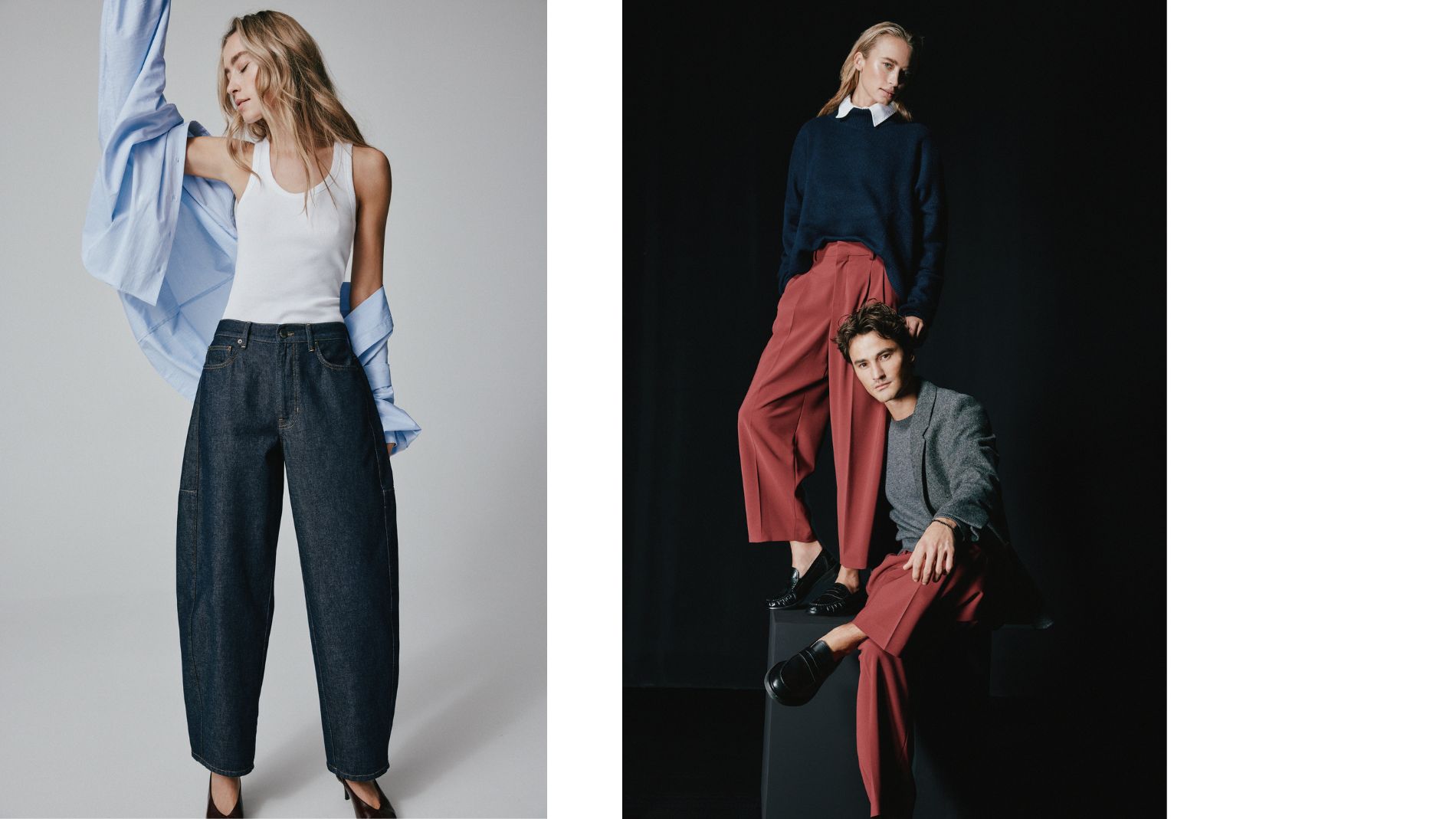
In practice, inclusion means that fashion companies must design collections that are not divided by traditional gender norms but instead embrace and reflect a variety of identities. Gender-neutral fashion is one expression of this philosophy – combining aesthetic innovation with social responsibility.
Why diversity in design and leadership teams matters
Studies confirm that diversity pays off – not only morally but economically. According to a 2018 analysis by the Boston Consulting Group1, companies with above-average diversity in leadership achieved 19 % higher innovation revenues on average than less diverse companies. In highly diverse teams, 45 % of revenues came from new products launched in the past three years, compared to only 26 % in homogeneous teams. McKinsey2 reached similar conclusions in 2024: in Europe, companies with mixed leadership teams were up to 62 % more likely to be highly profitable.
Even as geopolitical and domestic tensions prompt more protectionist policies and shifting investment priorities, potentially impacting cultural diversity and inclusion budgets, fashion companies still enjoy a clear advantage: those seeking to serve a broad customer base should embrace diversity in teams and leadership. Diverse perspectives lead to more creative design that better addresses varied customer needs.
Inclusion influences purchasing decisions
A recent Kantar3 study found that 75 % of consumers consider whether brands reflect inclusion and diversity when making purchase decisions. Younger demographics in particular expect companies to offer gender- and diversity-sensitive products. The study highlights that inclusive design is not just an ethical imperative but a compelling business case: brands that respond to these expectations strengthen customer loyalty, brand image and revenue potential.
Two brands, one approach
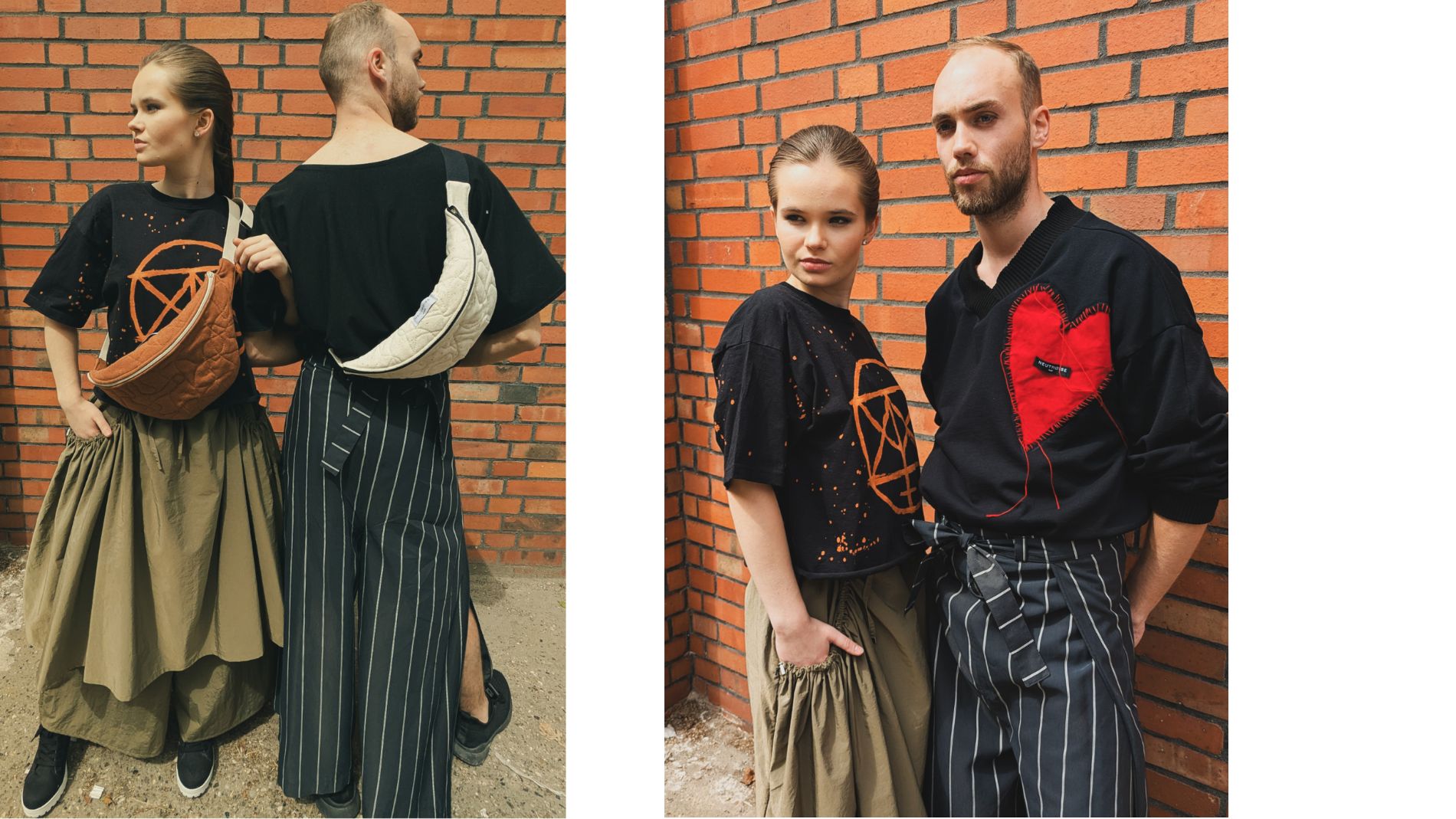
That gender-neutral design works at both large and small scales is demonstrated by two very different brands: Neutrøise and Rossi. “Our customers appreciate the freedom to choose silhouettes beyond traditional categories and see genuine value in our gender-neutral approach,” says Rossi CEO Tobias Schellenberger. “Our retail partners confirm that we appeal to a target group actively seeking modern, progressive and wearable styles.” Rossi’s supply chain partners also show strong support, understanding the requirements of gender-neutral silhouettes and flexibly assisting the trouser brand in realising its concepts.
“Gender-neutral fashion is a clear business case: it expands the target audience, simplifies production and inventory processes, and responds to growing demand for diversity-sensitive products.”

Season-independent collections reduce reliance on short-term trends and enhance relevance in international markets. Retail partners across Europe and Japan value the contemporary nature of the silhouettes and the professional approach to collaboration.
Alicia Richter, founder of Neutrøise, takes a similarly inclusive approach: “Inclusion and diversity are fundamental parts of my creative process. Many people would like to shop in ‘the other department’ but don’t dare due to social expectations.” Her collection uses oversized cuts and flexible closure solutions that can adapt to different body shapes and, if necessary, be tailored to individual customers. Deadstock materials and small-batch production allow for sustainable, high-quality manufacturing.
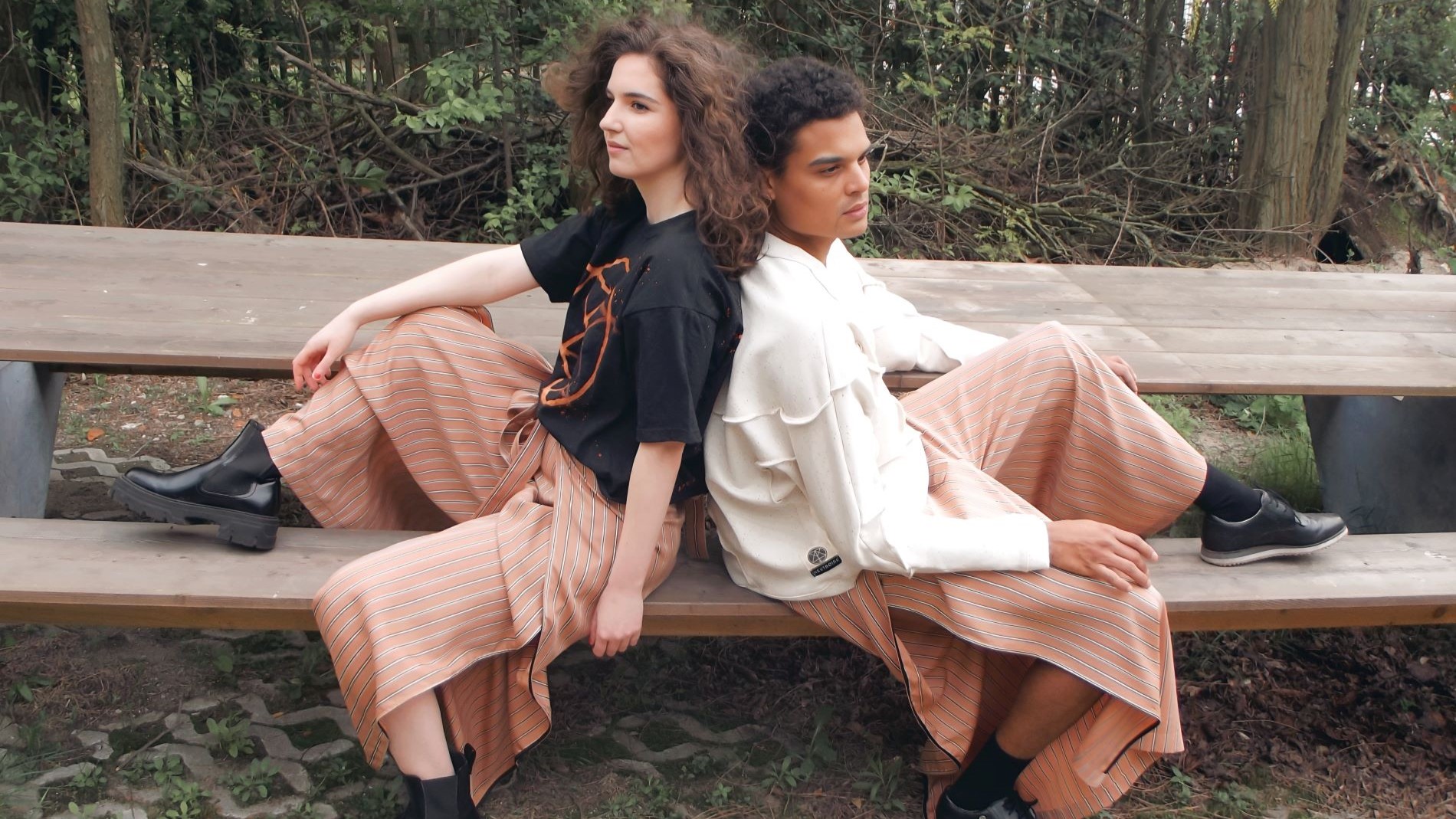
Of course, there are challenges. “The biggest one is that gender-neutral fashion is often equated solely with loose-fitting silhouettes,” says Schellenberger. “We deliberately take a different approach, developing O-shape and wide-leg styles as well as slimmer silhouettes that still function as unisex.” Richter highlights another challenge: meeting diverse size and fit needs. “That’s why I’m constantly working to make my designs as flexible as possible – using adjustable closures and adaptable elements.”
“As a functional detail, every pair of trousers has an adjustable inner waistband that allows for a personalised fit – whether worn high-waisted or low-rise. This flexibility is central to our approach of creating gender-neutral fashion that is both precise and versatile.”
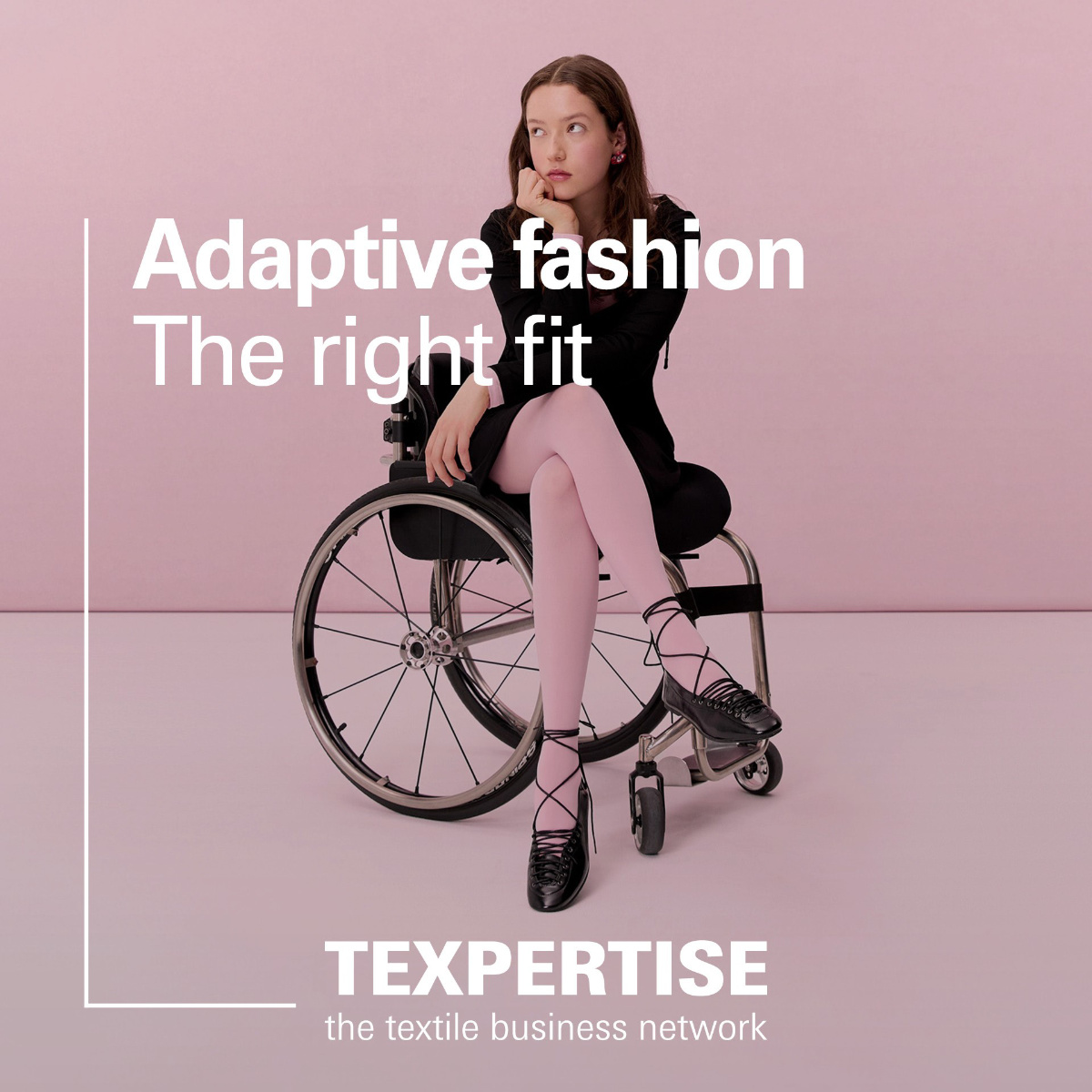
Inclusive design offers opportunities in international markets to reach people regardless of gender, body type or cultural background – and to enhance brand visibility across regions.
Dos and Don’ts for real market impact
Inclusive product development is more than a moral statement – it’s a strategic, commercial and innovation-driven tool. Brands like Rossi and Neutrøise demonstrate how technical solutions, design philosophy and deep market understanding can come together to create products that resonate globally.
For companies, this means actively promoting team diversity, defining inclusive standards – such as modular cuts, flexible sizing or adaptive features as part of tech packs – and consistently integrating user-centred design, particularly through feedback from real users and markets. Long-term strategies centred around timeless collections ensure lasting market relevance.
Clear communication is just as critical: inclusion must be visible in the product, not just in marketing. Pitfalls to avoid include standalone capsule collections for specific groups, tokenistic diversity in advertising, and overly complex sizing systems. Inclusion must never be viewed in isolation – it is inseparable from sustainability, accessibility and good design. Brands that follow these principles can develop products that are both commercially successful and socially meaningful.
1 https://www.bcg.com/publications/2018/how-diverse-leadership-teams-boost-innovation
2 https://www.mckinsey.com/featured-insights/diversity-and-inclusion/diversity-matters-even-more-the-case-for-holistic-impact
3 https://www.kantar.com/de/company-news/2024-three-quarters-of-consumers-say-inclusion-and-diversity-influence-their-purchase-decisions