
Reading time: 4 minutes
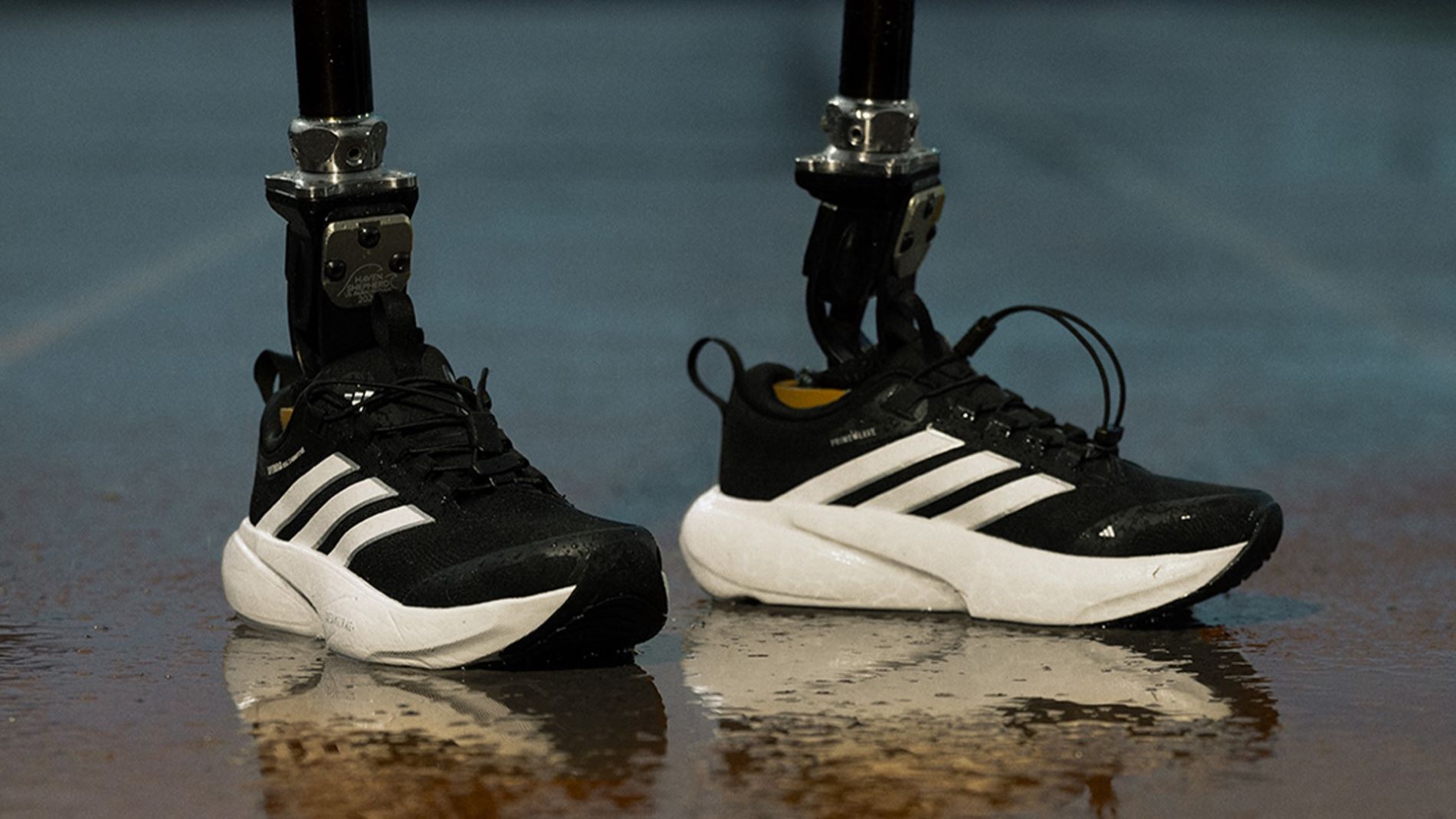
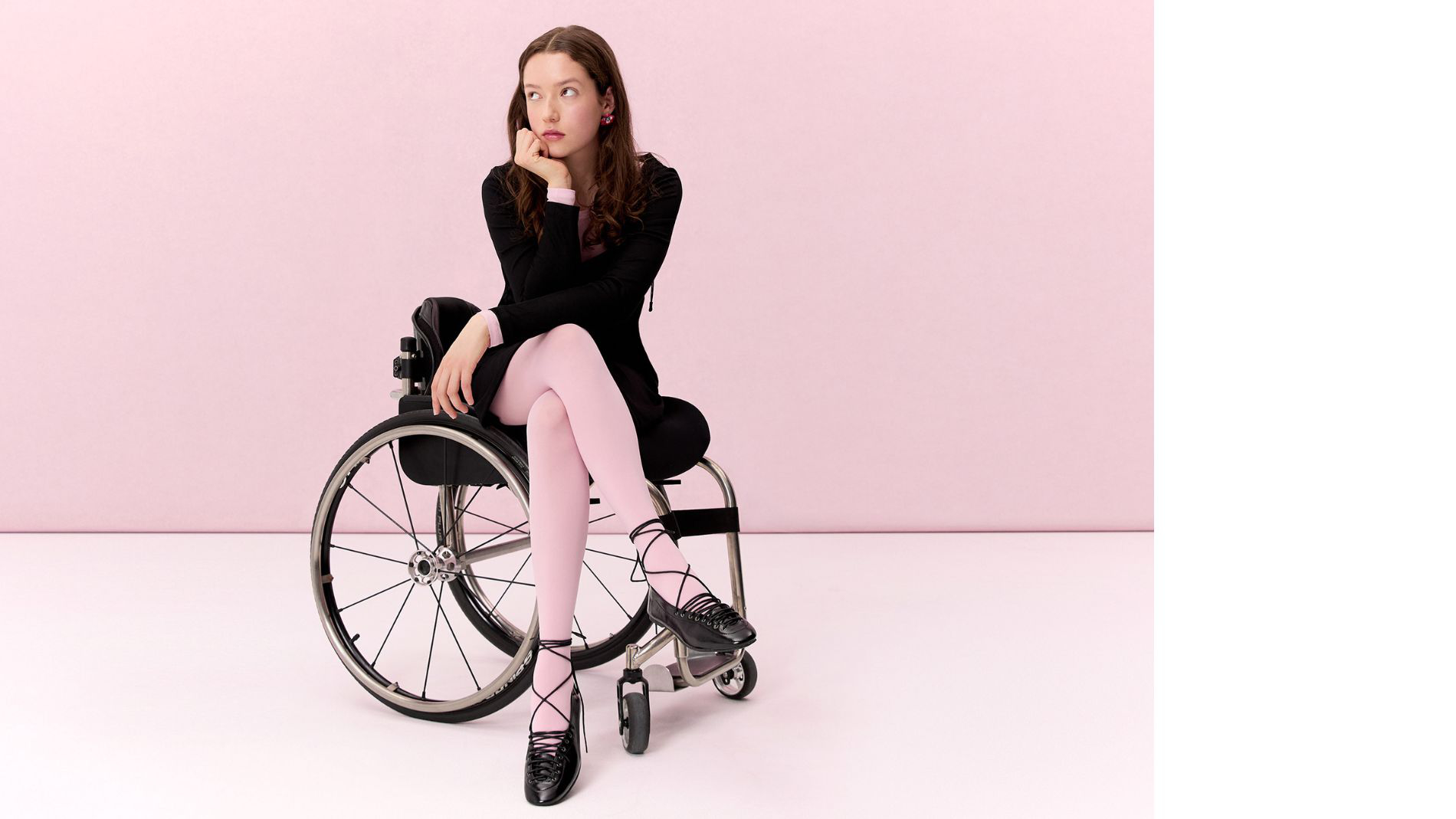
A visit to the Adidas store on Tauentzienstraße in Berlin: A mannequin with a prosthetic leg is wearing a sneaker with three stripes. What seems perfectly natural here is still far from the norm in the fashion industry. People with disabilities –including those of short stature, wheelchair users, and prosthesis wearers – are largely ignored and often only brought to the forefront for marketing purposes. This isn’t really surprising, as target groups outside the norm have a hard time in the fashion industry. However, current figures show that the adaptive fashion segment is economically promising, even when factoring in necessary investments such as basic research.
Adaptive fashion as a design discipline
In Berlin, designer Sema Gedik works in the field of adaptive fashion and has named her company “Auf Augenhoehe”. This title is deliberately ambiguous, as Gedik specialises in designing fashionable clothing for people of short stature. The idea came to her when she went shopping in Turkey with her cousin, who is of short stature, and realised how limited the choice was. To better cater to this target group, Gedik and her team have developed the world’s first clothing sizes specifically for women and men of short stature. Over the years, they have measured people of short stature and researched their proportions. The result: perfectly tailored cuts and styles, including items such as kimonos and blouses.
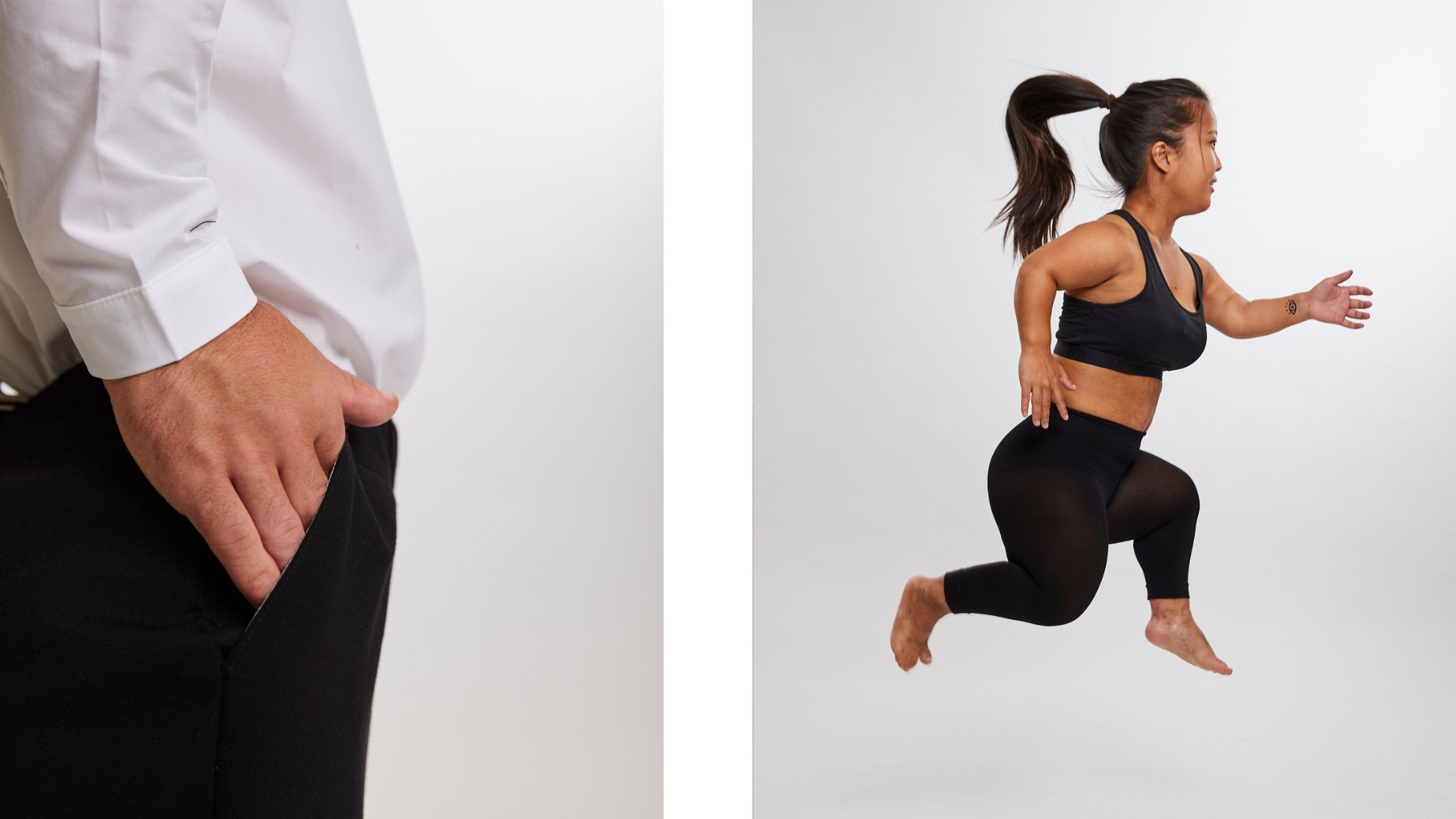
For Gedik, however, adaptive fashion is not simply a technical solution, but a creative discipline. “We see our label as a catalyst for design decisions,” she says. “This leads to garments that take different bodily realities into account whilst simultaneously developing a clear design language.” Inclusion is the starting point for the design process, which at “Auf Augenhoehe” always takes social issues into consideration as well. This includes, for example, the question of how clothing can promote self-determination and visibility.