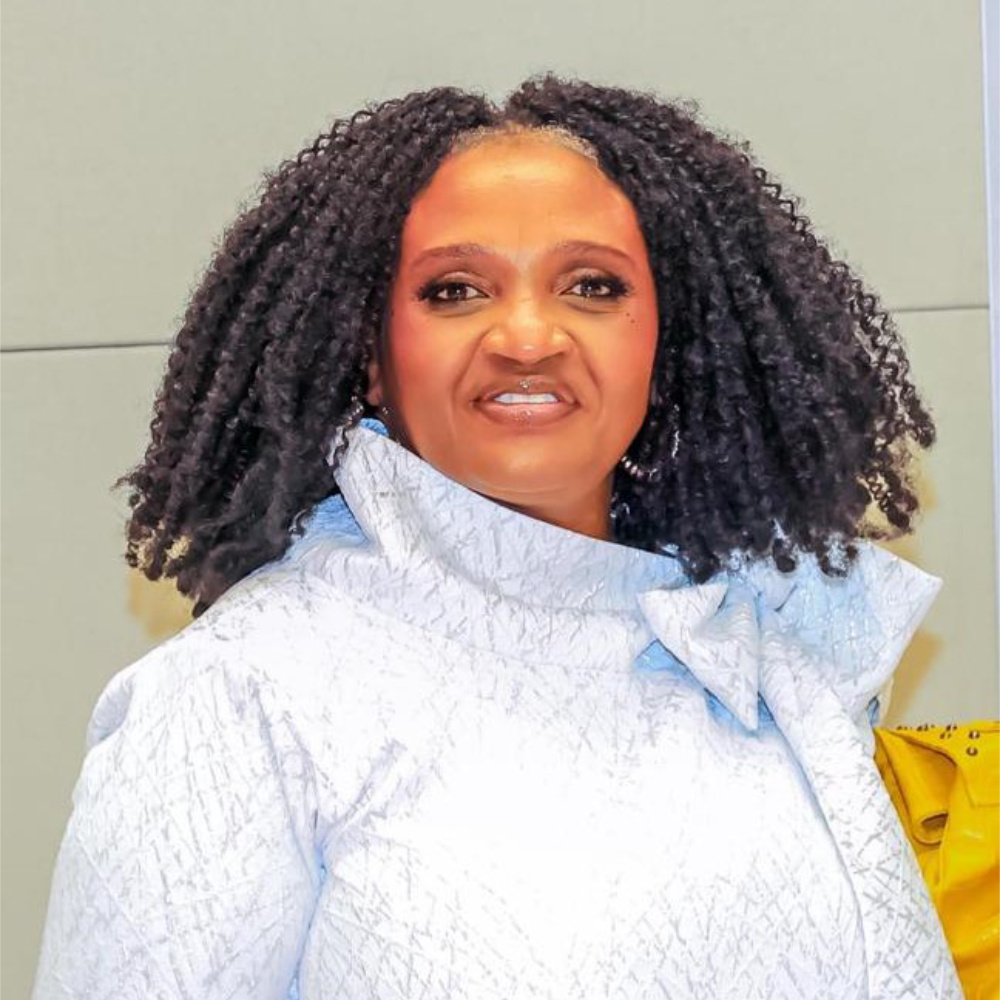
Kenya has developed into a growing hub for textile and leather production and exports apparel worth US$500 million each year. Carole Kinoti, an entrepreneur in Kenya’s fashion industry and Fashion Advisor to the Commonwealth Business Women’s Network, discusses in this interview what it takes for local players to establish themselves in the international market.
Ms Kinoti, how would you describe the current state of the Kenyan fashion industry, and what do international observers of the sector often overlook?
It really depends on what they are looking for. They are usually looking for products to source, the potential of designers and their ability to scale. They look at fabric quality and whether designers understand trends.
However, I believe international observers make decisions too quickly, often judging potential based on a single runway show. Such a show only looks at the surface. They need to think more deeply, take more time and conduct a bit more analysis to find genuine solutions.
As for the current state of Kenya’s fashion industry, the sector is very small-scale and unorganised. Two distinctly different groups can be identified: established designers have worked with conventional business models such as made-to-measure, couture and local retail for many years, which limits their ability to scale. Gen Z and newer designers focus on signature products, social media and the needs of their own generation. This makes them agile, close to the market and gives them significantly greater growth potential.
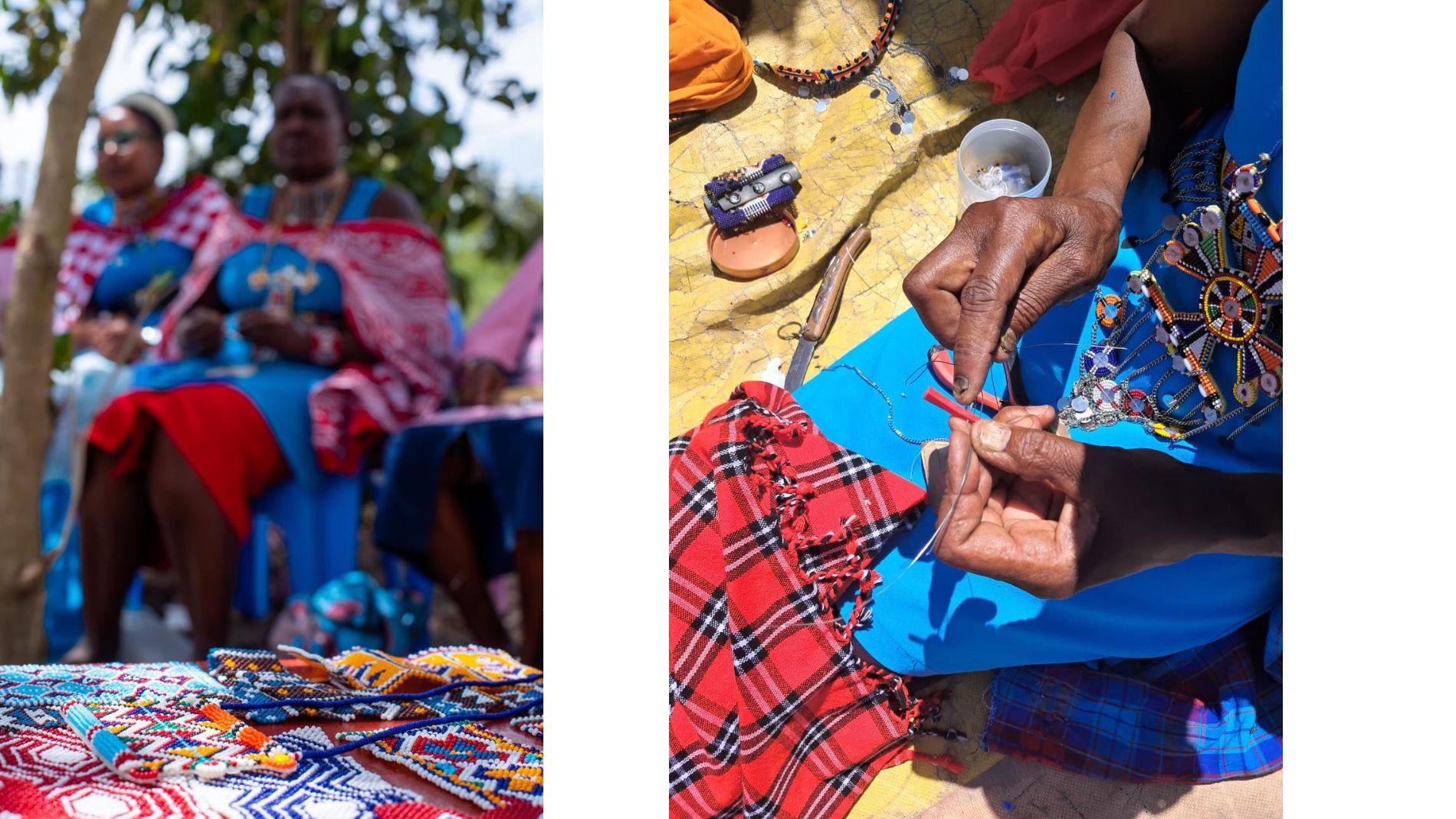
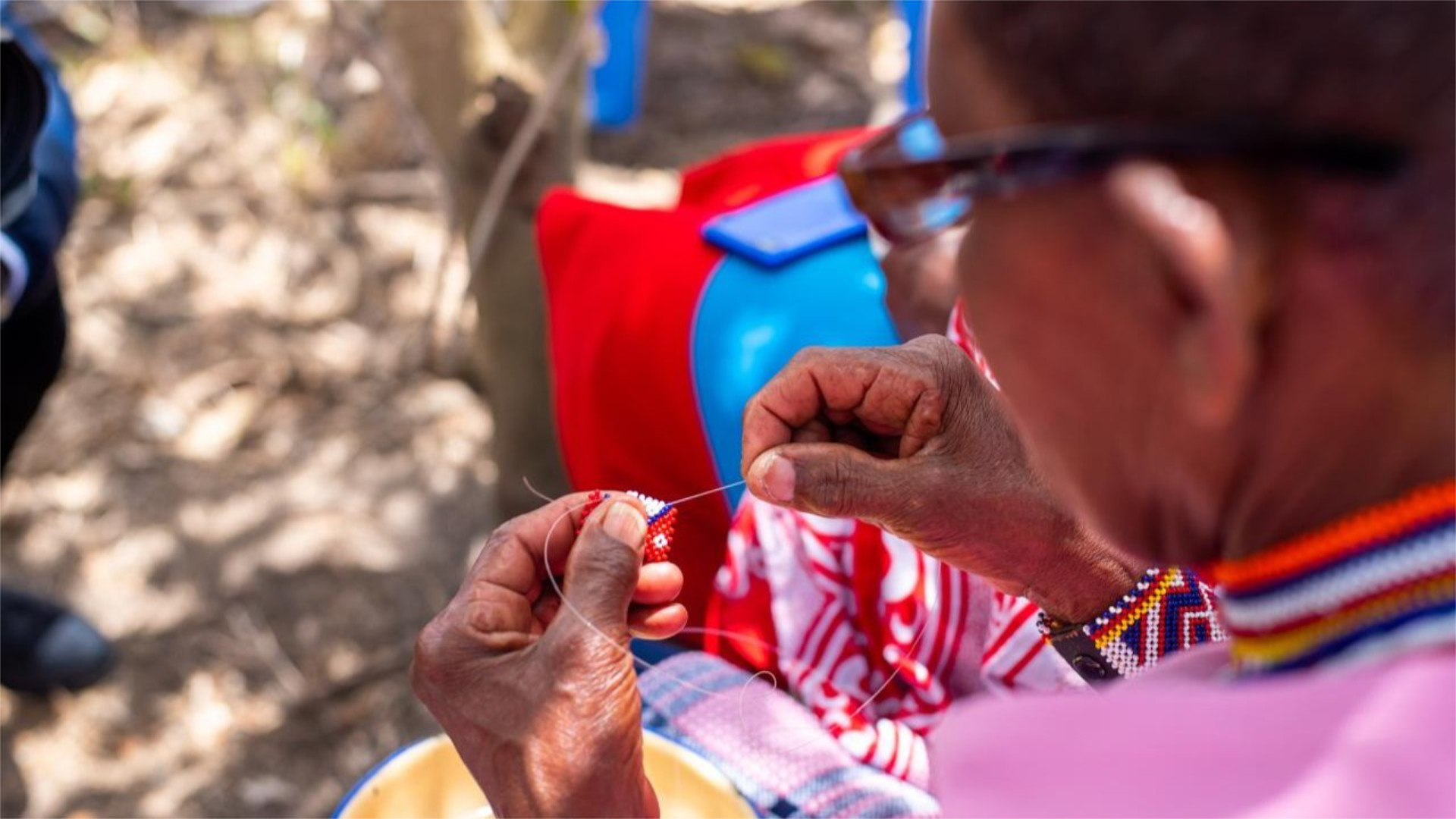
Beading activity with the FOTR Emankeki Women.
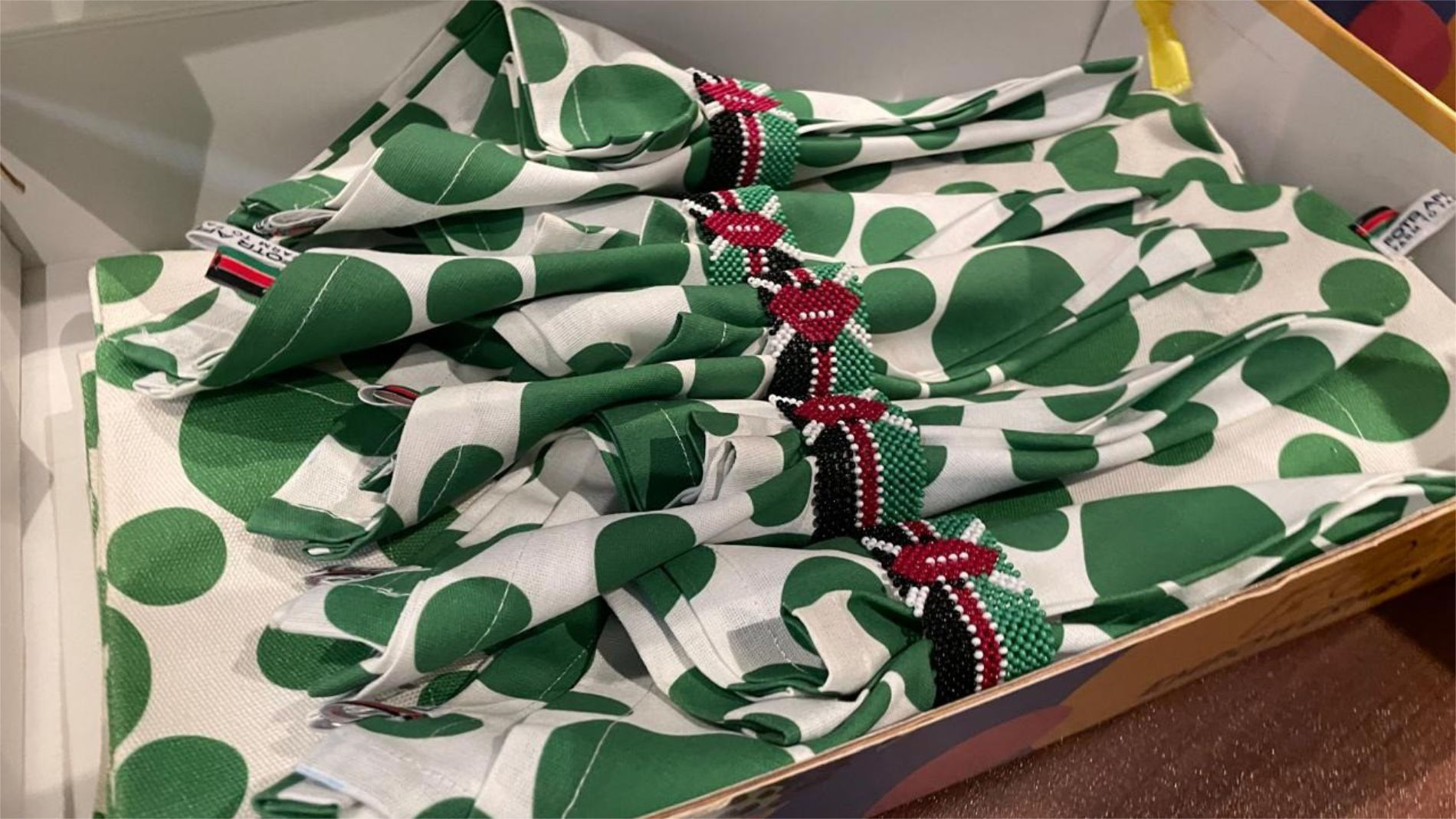
Beaded cuffs with the Bendera (Kenya Flag) colors, one of the items that goes into the empowerment kit.
Beading activity with the FOTR Emankeki Women.
For us, sustainable fashion is not simply about the material used to make a product.
Through FOTR Africa, you connect craftsmanship, women’s cooperatives and commercial fashion in one ecosystem. Beyond the way the term is often used internationally, what does sustainable fashion actually mean in your daily work?
For us, sustainable fashion is not simply about the material used to make a product. It is about whether we can trace the value created from the community and the raw material, through production and value addition, to the final customer – and measure what that value has done along the way.
For example, we can measure how many women take part in entrepreneurial activities, the savings generated, the skills developed, the number of hides and skins moving through the value chain, the products created and how many women access wellness and preventive healthcare services.
The production process must therefore have a traceable impact along the entire value chain – from the outset to the final customer.
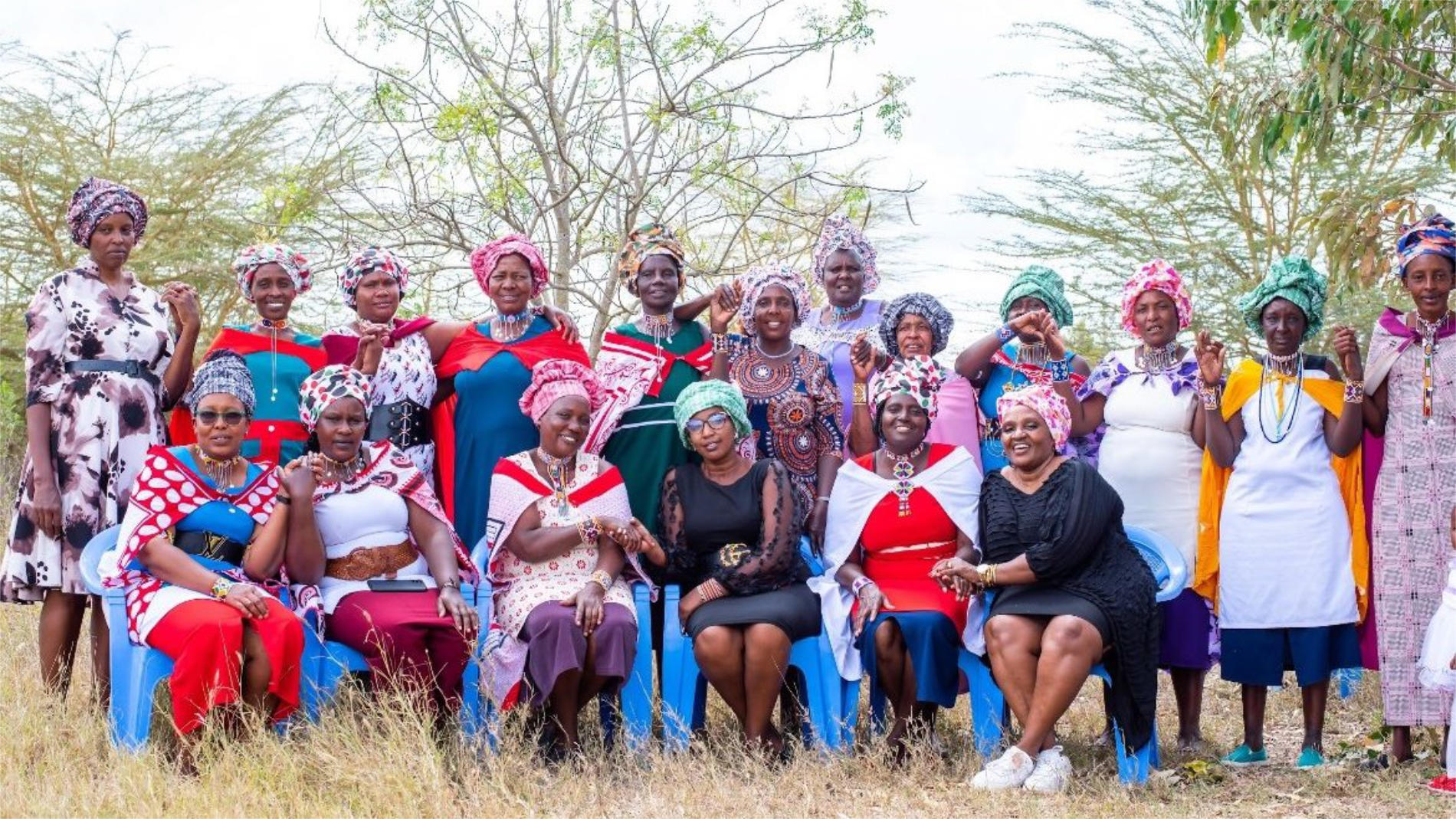
In practice, we connect commercial production with financial inclusion, health and social impact. The FOTR Emankeki Women’s Group illustrates this approach: beadwork and leather processing are combined with savings schemes, training and health services (see information box). Alongside the products, this creates new skills, income and long-term prospects within the community.
Register for free and read the full article.
Please check your login details.
As Fashion Advisor to the Commonwealth Business Women’s Network, you are part of an initiative to increase trade within the Commonwealth from US$768 billion to US$2 trillion. What role do fashion, and African fashion in particular, play in this ambitious goal? And what would meaningful progress look like from your perspective?
To fit into this high-volume trade conversation, we must shift our perspective and treat fashion as a commodity business where products are moved in high volumes.
Within Africa, despite many barriers, we have massive regional strengths. For example, if you look at where livestock is concentrated, it immediately signals a major opportunity to source leather, hides and skins. When hides and skins are processed, a wide range of fashion products can emerge. At community level, women’s cooperatives can then add unique cultural value to this leather through weaving or beading.
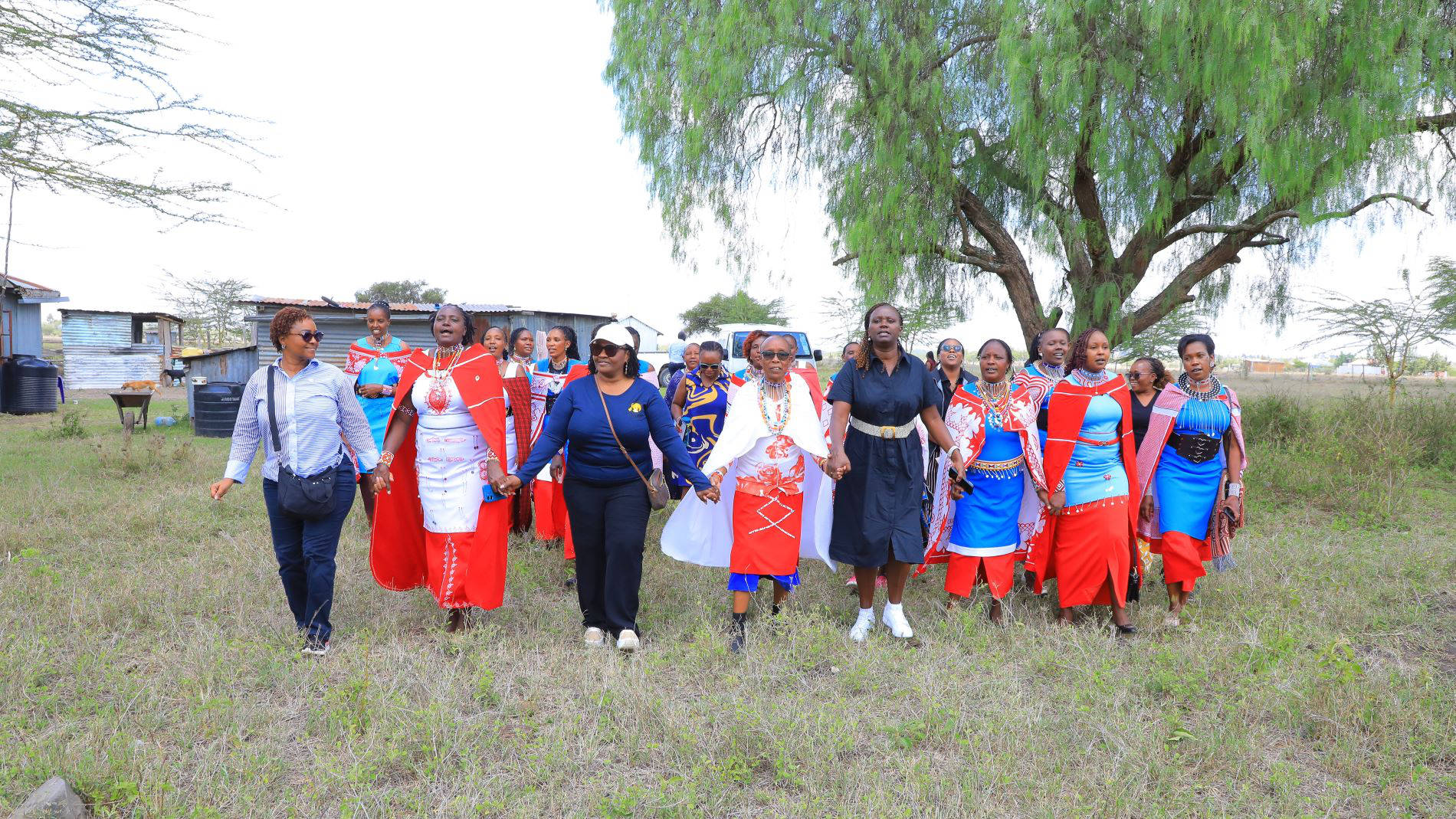
Pilot community of the FOTR Emankeki Women’s Group, Kajiado County.
Strengthening the fashion industry must be tied to the value of commodities. If we link fashion to livestock farming, the same community that sells meat or animals can generate additional value from the by-products – hides and skins – through beadwork. Since this beadwork is carried out by women, it directly strengthens family wealth and incomes.
This commodity-linked fashion model can be applied across several sectors:
Mining: Gemstones and precious stones are turned into jewellery products through value addition.
Cotton: Communities that grow and sell cotton create additional value by processing it into fashion products, strengthening the community and supporting the industry’s growth.
Because artisanal fashion products also often end up as gifts in consumer markets, we created the #GiftsWithPurpose campaign. It allows us to tell the story of the producing community while measurably returning resources to it – for example, by supporting health initiatives and building a culture of saving and planning for financial security.
Cover photo: The FOTR Emankeki Womens Group, Kajiado_ FOTR pilot community
Lisa Wagner has been working in the fashion industry for over 20 years, both on the industry, agency and editorial side and more than half of this time in the sustainable segment. Most recently, she was Head of Brand Communication at the European market leader for ecologically and socially fairly produced textiles. Since 2020, she has been working as a freelance journalist and communications consultant near Frankfurt am Main. Reconciling business, ecology and the interests of different stakeholders is close to her heart. Photo: Nina Paul